Can Cannabis Inhibit the Growth of Other Plants?

Growing cannabis is a rewarding venture, but as any cultivator knows, it requires careful attention to detail. One question that often puzzles growers is can cannabis inhibit the growth of other plants. This topic is particularly relevant if you’re cultivating in a shared space or considering a companion planting strategy. Knowing the science behind this helps determine how cannabis interacts with its surroundings and whether allelopathic effects could impact neighboring crops. Let’s dive into what you need to know.
Cannabis plants are known for their vigorous growth and ability to adapt to various environments. However, this strength can also lead to competition for resources such as light, water, and nutrients. This competition might impact other plants negatively if you’re not careful about your growing setup.
Recommended Strains
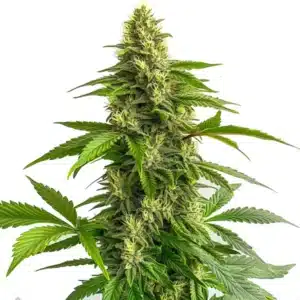
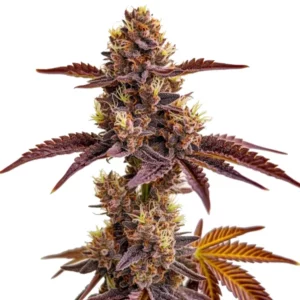
Bruce Banner #3 FBV

|
THC | 19% - 23% (Medium) |

|
Type | Fast Flowering |

|
Yield | Medium |

|
Phenotype | 50% Indica / 50% Sativa |

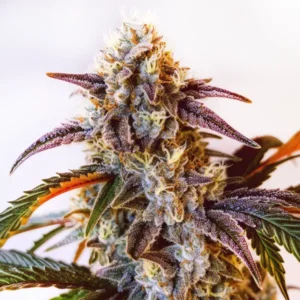
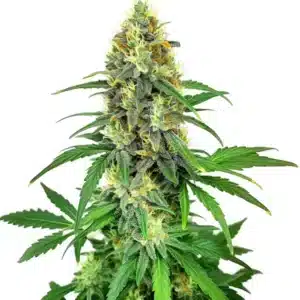
GG4
|
|
THC | 27% (High) |
|
|
Type | Feminized |
|
|
Yield | High |
|
|
Phenotype | 40% Indica / 60% Sativa |
Experienced growers understand that different plant species have varying needs. While some plants may thrive alongside cannabis, others might struggle. Whether you’re a beginner or a seasoned grower, it’s crucial to understand how cannabis interacts with its plant neighbors.
Knowing Plant Interactions
Plants interact with each other in complex ways. These interactions can be beneficial or detrimental, depending on various factors such as soil composition, light availability, and water supply. In cannabis cultivation, knowing these interactions can help you create a more productive garden. Growers often ask, can cannabis inhibit the growth of other plants? The answer depends on how its root exudates and allelopathic compounds interact with neighboring species, potentially influencing their development and nutrient uptake.
Allelopathy in Plants
One important concept in plant interactions is allelopathy. This refers to the chemical inhibition of one plant by another due to the release of toxic substances. While cannabis is not widely recognized as an allelopathic plant, it can still affect its neighbors through competition for resources.
For instance, the dense canopy of a strain like GG4 can overshadow smaller plants, limiting their access to sunlight. This highlights the importance of strategic plant placement in mixed gardens.
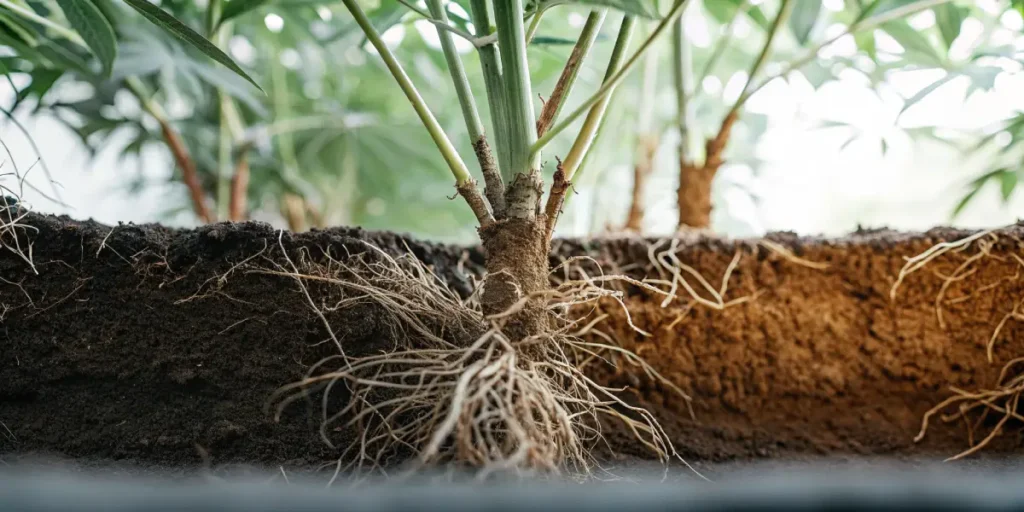
Root Competition
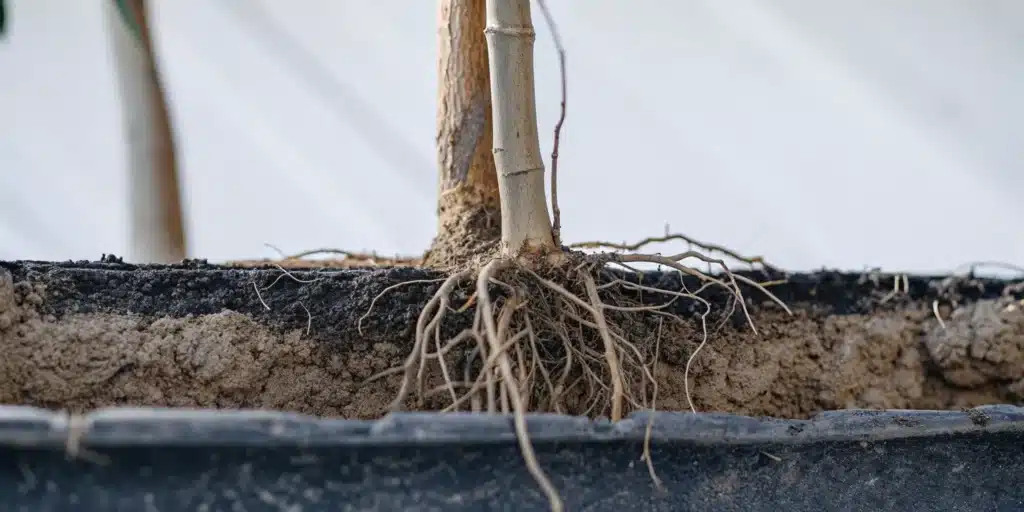
Roots play a critical role in plant survival and growth. In the case of cannabis, the roots can spread extensively, which might crowd out other plants. This is especially evident in strains like Purple Lemonade Autoflower, known for its robust growth.
To mitigate root competition, consider using larger pots or spacing your plants adequately. This approach allows each plant to access the nutrients it needs without being stifled by its neighbors.
Promos & Deals
Managing a Mixed Garden
Growing cannabis alongside other plants can be both challenging and rewarding. With the right strategies, you can manage a mixed garden successfully. Here are some tips to help you maintain harmony among your plants.
Choosing Compatible Plants
When selecting companion plants for your cannabis, it’s wise to choose species with similar light and nutrient requirements. Certain herbs and vegetables can coexist with cannabis without much trouble. For example, basil and cilantro can thrive alongside strains like Gorilla Sherbet.
These companion plants not only coexist peacefully but may also offer additional benefits, such as pest control or enhanced aroma. By choosing wisely, you create a symbiotic environment where all plants can prosper.
Effective Resource Management
Resource management is crucial in a mixed garden. Ensuring that each plant receives adequate light, water, and nutrients is key. Using reflective materials can help maximize light distribution, benefiting all plants under your care.
Additionally, consider implementing a drip irrigation system to deliver water efficiently. This not only conserves water but also ensures that all plants, whether cannabis or companion, have consistent access to hydration.
Effects of Cannabis on Plant Growth
Knowing the effects of cannabis on plant growth is essential for any grower. Cannabis’s ability to dominate spaces and resources can both positively and negatively impact its surroundings. Recognizing these effects helps in planning a successful growing strategy.
Light and Canopy Management
Cannabis plants, like Bruce Banner Fast Version, are known for their tall and expansive canopies. While beneficial for maximizing light absorption, these canopies can overshadow smaller plants. Proper canopy management is essential to ensure all plants receive sufficient light.
Pruning and training techniques such as topping or low-stress training (LST) can help manage the cannabis canopy. These methods not only enhance cannabis yields but also promote better light penetration for neighboring plants.
Nutrient Dynamics
Cannabis has a high nutrient demand, which can deplete soil resources quickly. This might leave other plants struggling to get their share. Regular soil testing and fertilization can help maintain nutrient balance in a mixed garden.
Rotating different organic fertilizers, or using slow-release nutrients, ensures that your cannabis and companion plants receive what they need without one dominating the available resources.
FAQs about Can cannabis inhibit the growth of other plants
Can cannabis inhibit the growth of other plants in a shared garden?
Cannabis can inhibit the growth of other plants mainly through competition for light, water, and nutrients. Its vigorous growth, especially in strains like GG4, can overshadow smaller plants, limiting their access to essential resources. This can be particularly challenging in a shared garden where space and resources are constrained.
To prevent such inhibition, growers should consider strategic planting and resource management. Using techniques such as pruning and ensuring adequate spacing can help maintain balance and promote healthy growth for all plants involved.
What are the effects of cannabis on plant growth dynamics?
Cannabis can significantly alter growth dynamics in a garden. Its extensive root system and high nutrient uptake can affect surrounding plants. Strains like Purple Lemonade Autoflower, with robust growth patterns, can outcompete other plants for nutrients if not managed properly.
Knowing these dynamics allows growers to plan effectively. Implementing measures like soil testing and tailored fertilization ensures that all plants receive adequate nutrition, thereby reducing competitive stress and promoting harmonious growth.
How can I manage a cannabis and companion plant garden effectively?
Managing a mixed garden requires thoughtful planning and resource allocation. Choosing compatible plants that share similar growth requirements with cannabis can create a harmonious environment. Herbs like basil and cilantro can coexist with cannabis strains like Gorilla Sherbet, offering mutual benefits.
In addition, effective resource management, such as optimizing light distribution and implementing efficient watering systems, can support balanced growth. These strategies help maintain a healthy ecosystem where cannabis and its companion plants thrive together.
Are there specific strains better suited for mixed gardens?
Yes, certain cannabis strains are better suited for mixed gardens due to their growth characteristics. Strains like Bruce Banner Fast Version, known for controlled growth, may be easier to manage alongside other plants. They offer the benefits of a manageable canopy while still delivering high yields.
Choosing strains with predictable growth patterns allows for better planning and resource allocation. This ensures that your garden remains balanced, with each plant type thriving without overshadowing or depleting its neighbors.
What role does allelopathy play in cannabis cultivation?
Allelopathy refers to the chemical inhibition of one plant by another. While not commonly associated with cannabis, the concept is important in knowing plant interactions. Cannabis can still impact other plants through indirect means, such as resource competition.
In cannabis cultivation, being aware of allelopathic effects can guide decisions about plant placement and garden design. By mitigating these effects through strategic planning, growers can maintain a productive and harmonious garden environment.