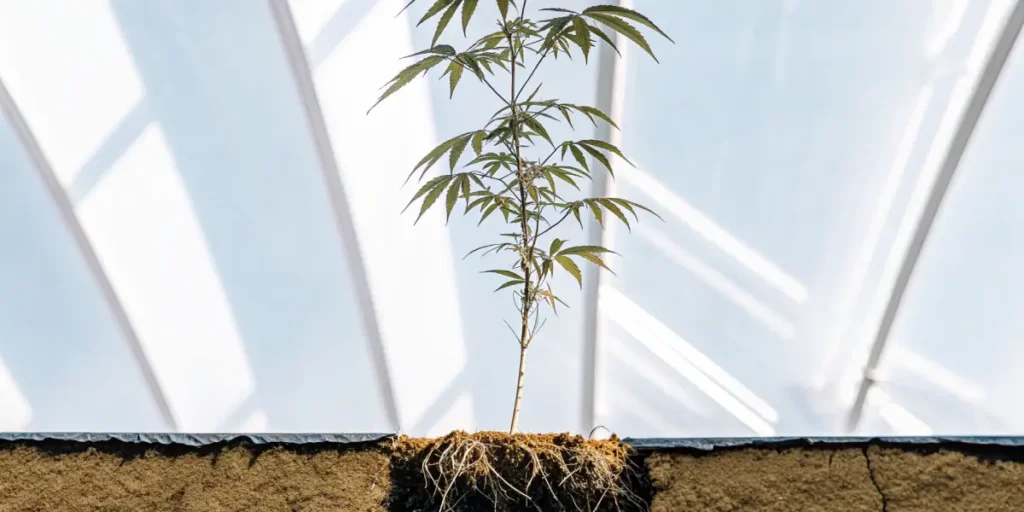
Allelopathy in Cannabis: can it affect nearby plants and influence your garden’s growth?

Cannabis cultivation is an art and science, and knowing how plants interact with each other is crucial. One of the intriguing phenomena in plant biology is allelopathy — a process where plants release biochemicals that can influence the growth, survival, and reproduction of others. In the context of cannabis, growers often ask: Allelopathy in cannabis: can it affect nearby plants and impact overall garden health? This article explores that question in depth, offering valuable insights for both novice and experienced cultivators.
Allelopathy can be a double-edged sword in your grow room. While some plants use it to ward off competitors, others might inadvertently harm beneficial species. The key is knowing which plants might be affected and how to manage these interactions for a healthy garden.
Recommended Strains
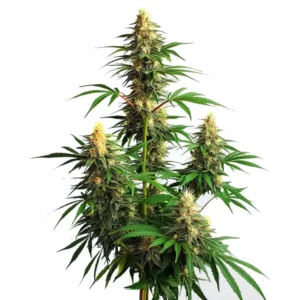
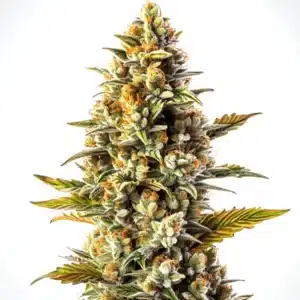
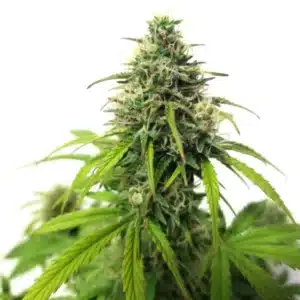
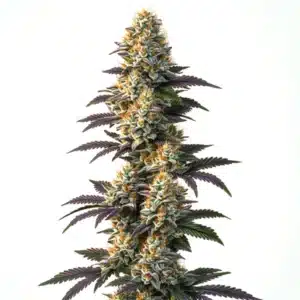
Amnesia Haze Auto

|
THC | 16% - 17% (Medium) |

|
Type | Autoflowering |

|
Yield | Low |

|
Phenotype | 25% Indica / 75% Sativa |
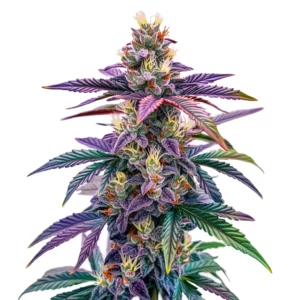
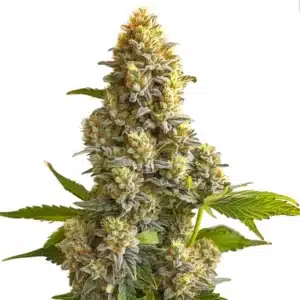
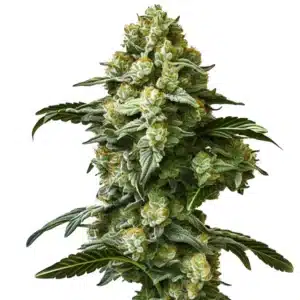
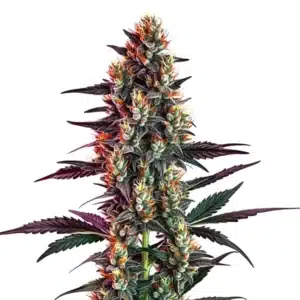
Blue Dream Autoflower
|
|
THC | 10% - 13% (Low) |
|
|
Type | Autoflowering |
|
|
Yield | Medium |
|
|
Phenotype | 30% Indica / 70% Sativa |
When cultivating cannabis alongside other plants, knowing allelopathy can help prevent potential growth issues. Whether you’re growing Blue Dream Auto or experimenting with Amnesia Haze Autoflower, being aware of these interactions can make a big difference in your harvest.
What Is Allelopathy?
Allelopathy refers to the chemical interactions that occur between plants. These can be beneficial, neutral, or harmful, depending on the species involved. In cannabis, researchers are still exploring how allelopathy impacts growth and what this means for cultivation.
How Allelopathy Works
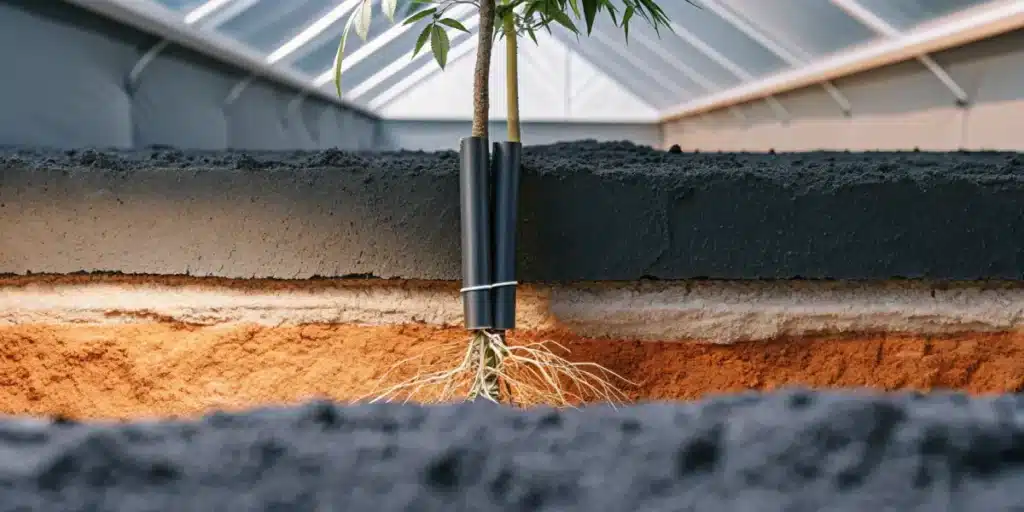
Plants release allelochemicals through various parts like roots, leaves, and even through decay. These chemicals can alter soil composition or directly affect other plants. This means that the proximity of plants can lead to chemical warfare or symbiosis.
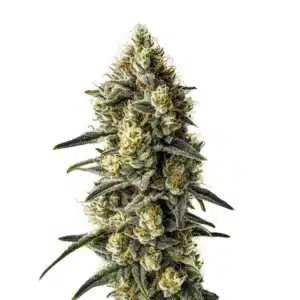
For instance, when growing Gorilla Blue Auto, knowing how its roots interact with the soil and neighboring plants can help optimize growth conditions. The same applies to other strains like Bruce Banner Autoflower, where allelopathy can influence nutrient uptake.
Promos & Deals
Allelopathy Effects on Cannabis Plants
The allelopathy effects on cannabis plants are still under study, but there are some known interactions that growers should consider. These include changes in soil pH, nutrient availability, and even pest resistance.
Managing Soil Health
Soil health is crucial when managing allelopathy in cannabis. The presence of allelochemicals can alter soil pH, which may affect nutrient uptake. Regular soil testing can help identify these changes early on.
- Test soil pH regularly.
- Use organic matter to buffer chemical effects.
- Consider companion planting to counteract negative allelopathy.
When using strains like Northern Lights Auto, maintaining optimal soil health ensures maximum yield and potency. Organic compost and mulch can help balance any adverse effects caused by allelopathic interactions.
Optimizing Plant Spacing
Proper spacing can mitigate the negative effects of allelopathy. By giving plants enough room, you reduce the chance of harmful chemical interactions. This is particularly important for dense strains like Zkittlez Auto.
- Measure the canopy spread of each strain.
- Ensure adequate airflow between plants.
- Monitor plant health regularly for signs of stress.
Practical Tips for Managing Allelopathy
Managing allelopathy involves a combination of observation, soil management, and strategic planting. These practices help ensure your cannabis plants thrive without adverse interactions.
Choosing Companion Plants
Some plants can help manage allelopathic effects by either absorbing or neutralizing allelochemicals. Companion planting is a technique where certain plants are grown together to enhance growth and health.
Consider plants like marigolds, which are known to repel pests and may absorb excess chemicals. This can be especially useful when growing strains like Mimosa XXL Auto, which require stable conditions for optimal growth.
Regular Observation
Regular observation is key to managing allelopathy effectively. By keeping a close eye on your plants, you can quickly identify and rectify any issues caused by chemical interactions.
Symptoms like yellowing leaves or stunted growth might indicate allelopathic stress. Checking plants weekly allows you to adjust care practices as needed, ensuring a healthy crop of Gelato Auto or any other favorite strain.
FAQs about Allelopathy in cannabis: can it affect nearby plants
What is allelopathy in plants?
Allelopathy is a biological phenomenon where plants release chemicals into the environment that can affect the growth and development of surrounding plants. These chemicals can either inhibit or stimulate growth, depending on the species involved. In cannabis cultivation, knowing allelopathy can help growers manage plant interactions more effectively.
For instance, allelopathy can be used strategically to enhance growth or deter pests naturally. However, it can also lead to unexpected growth challenges if not managed properly. This is why knowing and observing plant interactions in your grow space is crucial.
Can cannabis plants exhibit allelopathy?
Yes, cannabis plants can exhibit allelopathic traits, though the extent and specific interactions are still being researched. These interactions can impact nutrient uptake, soil health, and even pest resistance. By being aware of these potential interactions, growers can optimize their growing conditions for better yields.
Using strains like Banana Kush Auto in controlled environments can help assess allelopathic effects. Observing changes in plant behavior and health provides insights into how cannabis interacts with its environment.
How can I manage allelopathy in my grow space?
Managing allelopathy involves careful planning and observation. Key practices include regular soil testing, optimizing plant spacing, and choosing suitable companion plants. These strategies help mitigate any negative effects of allelopathy while promoting healthy growth.
Incorporating organic matter into your soil can also help buffer against unwanted chemical interactions. Additionally, keeping a close watch on plant health allows for early detection and intervention when issues arise.
What are some signs of allelopathic stress in plants?
Signs of allelopathic stress can include yellowing leaves, stunted growth, or unexpected wilting. These symptoms indicate that a plant may be experiencing chemical stress from nearby plants. Regular monitoring of plant health is crucial to identify and address such issues promptly.
Testing soil pH and nutrient levels can also help diagnose allelopathic stress. If you notice these signs, consider adjusting plant spacing or introducing companion plants that can neutralize allelochemicals.
Are there any cannabis strains particularly affected by allelopathy?
While research on cannabis-specific allelopathy is still developing, some strains may be more sensitive to chemical interactions due to their genetic makeup. Strains like AK Auto, which may require specific nutrient profiles, can be more affected by changes in their growing environment.
Knowing the needs of each strain and monitoring their response to environmental factors can help minimize negative allelopathic effects. Tailoring your cultivation practices to the specific requirements of each strain ensures robust growth and high yields.