Industrial Hemp in the European Union: Production, Regulation, and Opportunities for US Businesses

Introduction: Why EU Hemp Matters for the US Market
Industrial hemp has rapidly evolved from an alternative crop to a strategic raw material in the European Union. Driven by sustainability policies, agricultural reform, and booming demand for eco-friendly products, the EU has positioned hemp as a cornerstone of its green economy. Today, discussions around Industrial Hemp in the European Union highlight its growing importance in sectors such as textiles, bioplastics, wellness, and renewable construction materials.
While hemp is often associated with CBD in the US, European production is broader and more diversified: fiber for textiles and biocomposites, seeds for food and oil, shives for construction, and biomass for various industrial applications. Strict THC limits and certified varieties make EU hemp a highly regulated and trusted raw material attractive for US companies seeking stable, high-quality supply chains or export partnerships.
Recommended Strains

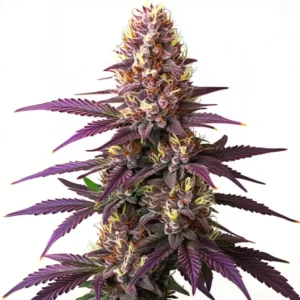
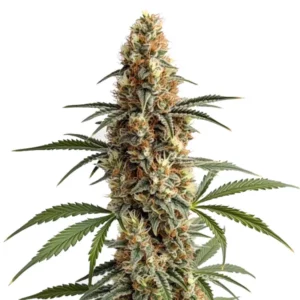
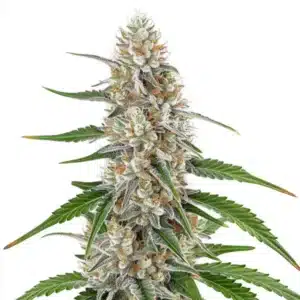
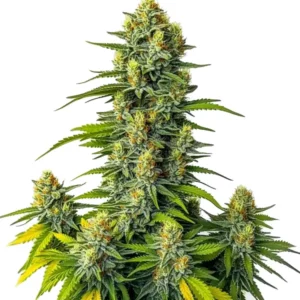
GG4

|
THC | 27% (High) |

|
Type | Feminized |

|
Yield | High |

|
Phenotype | 40% Indica / 60% Sativa |

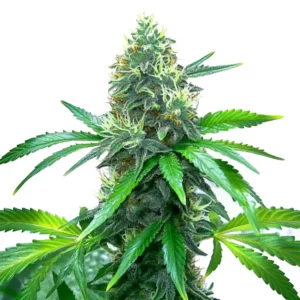
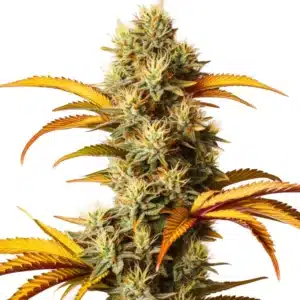
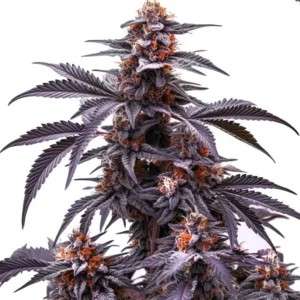
Fat Bastard
|
|
THC | 30% - 38% (High) |
|
|
Type | Feminized |
|
|
Yield | High |
|
|
Phenotype | 50% Indica / 50% Sativa |
This article breaks down exactly how the EU hemp sector works today: regulation, production trends, major players, market opportunities, and what this means for US stakeholders looking to enter or collaborate with Europe’s growing bio-industry.
Promos & Deals

The EU Regulatory Framework for Hemp
THC Limit Increase to 0.3% and Its Impact
For decades, EU hemp varieties were restricted to a maximum THC content of 0.2%. Recently, the European Parliament approved raising the limit to 0.3%, aligning the EU with US standards and expanding the number of eligible varieties.
This change unlocks options for farmers, improves yields, and enables varieties better suited to fiber, seed, or multi-purpose production.
Certified Seed and the EU Common Catalogue
All hemp grown in the EU must come from certified seed listed in the EU’s Common Catalogue of Varieties.
This ensures:
- Genetic stability
- THC compliance
- Traceability
- Uniform quality
For US companies, this guarantees consistent raw material — something not always found in less regulated markets.
Rules for Imports, Labeling, and Seed Use
Imported hemp and hemp seed must meet EU standards, including THC thresholds and certification. Importing uncertified seed is prohibited unless officially approved, and hemp for consumption requires compliance with novel food or food safety laws. Knowing these regulations is essential for anyone working with Industrial Hemp in the European Union, as compliance ensures legal trade, proper labeling, and safe consumer access.
EU Agricultural Support: The Function of the CAP
The Common Agricultural Policy (CAP) is one of the EU’s biggest advantages. Farmers who grow hemp that meets EU standards can receive direct payments, greatly reducing financial risk.
Key requirements:
- Use of certified varieties
- THC below legal limits
- Compliance with sustainability and traceability standards
Some Member States also offer additional incentives for rural development, green investments, processing infrastructure, and innovation projects.
For US investors, partnerships with EU farmers benefiting from CAP support can reduce operational costs substantially.
Where Hemp Is Grown: Leading EU Producers
France: Europe’s Hemp Powerhouse
France accounts for over 60% of EU hemp production. It has:
- Established fiber-processing infrastructure
- Strong farmer cooperatives
- Long-standing know-how in seed and fiber markets
Germany, The Netherlands, Poland, Italy, Lithuania
These countries have scaled production in recent years, driven by demand for:
- Biocomposites
- Construction materials
- Food-grade seeds
- Technical fiber
Production Growth
Between 2015 and 2022:
- Cultivated area grew ~60%
- Total EU hemp production increased over 80%
The trend is expected to continue as sustainability laws tighten and plant-based raw materials gain market share.
Hemp Applications in the EU Market
1. Fiber (Textiles, Paper, Biocomposites)
Fiber remains the dominant hemp segment in Europe.
It is used for:
- Automotive biocomposites
- Technical textiles
- Sustainable fashion
- Packaging
- Insulation
European fiber quality is widely recognized because of strict harvesting, retting, and processing standards.
2. Seeds and Oil (Food and Nutrition)
Hemp seeds and cold-pressed hemp oil are booming in the EU’s health food sector:
- High in omega-3/omega-6
- Plant-based protein
- Gluten-free and vegan-friendly
This market aligns perfectly with US demand for functional and clean-label foods.
3. Flowers and Biomass (CBD & Wellness)
While more regulated than in the US, EU CBD production is growing.
Some Member States are opening the door to recognizing hemp flowers as agricultural products, which may reshape the CBD market in Europe.
Agronomy: How Hemp Is Grown in Europe
European hemp agronomy focuses on:
- Soil regeneration
- Low pesticide use
- Crop rotation
- Efficient water use
Hemp’s rapid growth allows it to suppress weeds naturally, reducing herbicide requirements, a key sustainability advantage in the EU’s Green Deal strategy.
Best practices include:
- Early sowing for fiber
- Lower planting density for seed crops
- Strict monitoring to avoid THC spikes
These methods contribute to high consistency and compliance, valuable for international buyers.
Production Data and Market Growth
The European industrial hemp market was valued at ~$3B in 2024 and is projected to reach over $20B by 2033, driven by:
- Sustainable construction materials
- Plant-based foods
- Bioplastics
- Green textiles
- Automotive composites
Hemp is no longer a niche crop it is becoming an essential component of Europe’s climate strategy and industrial innovation.
Processing and the EU Supply Chain
Europe faces a critical bottleneck: processing capacity.
There are still relatively few modern:
- Decortication facilities
- Fiber refinement plants
- Seed and oil processing units
- Biomass extraction centers
This gap presents a major investment opportunity, especially for US companies with expertise in large-scale processing.
The EU’s demand for:
- Hempcrete
- Biocomposites
- Sustainable packaging
- Technical fiber
- Functional foods
…is outpacing domestic processing capacity.
This mismatch is one of the biggest openings in the entire sector.
Opportunities for US Companies
1. Partnering with EU Farmers
Working with CAP-supported farmers offers a stable, subsidized supply chain.
2. Investing in Processing Facilities
Europe needs:
- Decorticators
- Fiber refinement equipment
- Seed oil presses
- Extraction facilities
US engineering, technology, and capital can enter a market with guaranteed raw material availability.
3. Importing EU-Certified Hemp
EU hemp is highly regulated and trusted, ideal for US companies requiring traceability and consistent quality.
4. Developing Products for the EU Market
Particularly:
- Sustainable fashion
- Eco construction materials
- Vegan and plant-based foods
- Natural cosmetics
- Bioplastics
Challenges and Risks
1. Uneven Regulations Between Member States
The EU has overarching rules, but each country may interpret or add national regulations.
2. Limited Processing Infrastructure
Even as demand grows, the lack of large facilities can slow scaling.
3. Seed Availability and Variety Restrictions
Only certified varieties may be grown, reducing genetic flexibility and adaptation options.
4. Uncertainty in CBD and flower markets
Some Member States are still aligning their positions on hemp flowers.
Sustainability Benefits: Why Europe Backs Hemp
Hemp aligns perfectly with the EU’s climate and circular economy strategies:
- Captures 9–15 tons of CO₂ per hectare
- Requires low pesticide input
- Improves soil structure and biodiversity
- Replaces plastics in multiple industries
- Reduces the carbon footprint of construction
Each part of the plant can be used, making hemp one of the most efficient and sustainable crops available.
Case Studies and Innovation Hubs
Projects across France, The Netherlands, Spain, Germany, and Italy demonstrate:
- Blockchain-based traceability
- Hempcrete housing
- Biocomposite automotive parts
- Sustainable textile innovation
- High-protein hemp foods
The EU is actively funding R&D, giving the region an edge in advanced applications.