Best Cannabis Strains for Sleep

Quick Summary: The best weed strains for sleep are typically Indica-dominant cultivars rich in Myrcene and Linalool. For chronic insomnia, look for aged cannabis where THC has degraded into CBN (Cannabinol), providing a potent narcotic effect that significantly reduces sleep latency and improves rest architecture.
How Cannabis Bio-Chemistry Influences Sleep Patterns
Understanding the best marijuana strains for sleep requires a deep dive into the human Endocannabinoid System (ECS). The ECS regulates circadian rhythms through the interaction of phytocannabinoids with CB1 and CB2 receptors. While Sativa strains often stimulate the central nervous system by increasing dopamine and metabolic activity, Indica-dominant strains focus on the parasympathetic nervous system, lowering heart rate and inducing muscular relaxation.
Recommended Strains
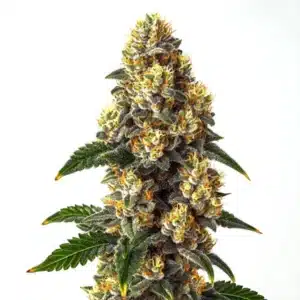
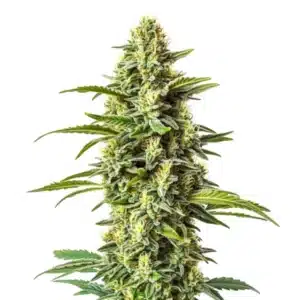
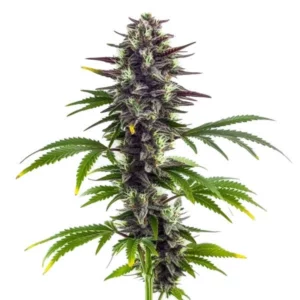
Bubba Kush

|
THC | 14% - 19% (Medium) |

|
Type | Feminized |

|
Yield | Medium |

|
Phenotype | 80% Indica / 20% Sativa |
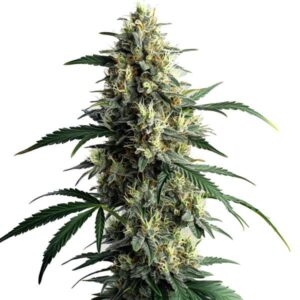
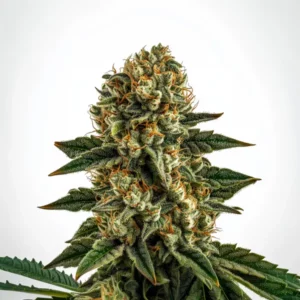
Bubba Platinum
|
|
THC | 20% - 25% (Medium) |
|
|
Type | Feminized |
|
|
Yield | Medium |
|
|
Phenotype | 80% Indica / 20% Sativa |
Technically, the “sleepy” effect is not just about the species (Indica vs. Sativa) but the Entourage Effect, the synergistic dance between cannabinoids and volatile organic compounds called terpenes. For a strain to be effective against insomnia, it must possess a specific chemical fingerprint that suppresses the “fight or flight” response. High-intensity discharge (HID) lighting systems, when dialed to a Photosynthetic Photon Flux Density (PPFD) of 600-900 µmol/m²/s during late bloom, help maximize the production of these sedative resins.
Promos & Deals
The Critical Role of CBN: The Narcotic Cannabinoid
When searching for the best strain for sleep, one must look beyond THC. CBN (Cannabinol) is a non-enzymatic byproduct of THC degradation. As THC is exposed to oxygen and UV light, it oxidizes into CBN. While THC is psychoactive and can sometimes cause racing thoughts, CBN is purely sedative. Research suggests that 5mg of CBN can be as effective as a pharmaceutical dose of diazepam in terms of muscular relaxation and sleep induction.
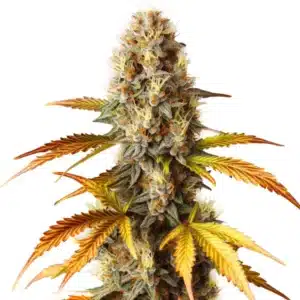
Horticulturists seeking to produce the best weed for sleep often intentionally delay their harvest. By waiting until 30-50% of the stalked glandular trichomes have turned from milky white to a deep amber hue, the grower ensures that a portion of the THC has converted to CBN. This biological “over-ripening” transforms a standard high into a heavy, narcotic “couch-lock” effect, making it the best marijuana for insomnia.
Technical Comparison of Top Sedative Cultivars
| Cultivar Metric | Northern Lights | Grandaddy Purple | Bubba Kush |
|---|---|---|---|
| Dominant Terpene | Myrcene (>0.5%) | Linalool / Pinene | Beta-Caryophyllene |
| THC:CBN Potential | High conversion rate | Moderate conversion | High (dense resin) |
| Bloom Cycle (Photoperiod) | 7-8 Weeks | 8-9 Weeks | 8-9 Weeks |
| Ideal NPK (Late Bloom) | 0-10-12 (Ultra-Low N) | 2-10-10 | 0-12-15 |
| Sedation Depth | Exceptional (Body) | Deep (Muscle/Mind) | Heavy (Narcotic) |
| Sleep Onset Rating | 9/10 | 8.5/10 | 10/10 |
Terpenes: The Sensory Architects of Sleep
The best indica strains for sleep share a commonality in their terpene profiles. Myrcene, often found in hops and mangoes, acts as a penetration enhancer for cannabinoids, allowing THC to cross the blood-brain barrier more efficiently. This results in a faster “onset” time. Strains that test above 0.5% Myrcene are statistically more likely to cause significant drowsiness.
Linalool (the primary terpene in lavender) and Terpinolene are also essential for calming cannabis strains. Linalool modulates glutamate and GABA neurotransmission, mimicking the effects of traditional sedative herbs. When combined with a precise nutrient regimen, specifically increasing Magnesium (Mg) during week 5 of bloom, the plant can maximize the biosynthesis of these compounds, creating the ultimate weed that helps you sleep.
Cultivation Strategies for Medical-Grade Sedative Buds
To produce the best medical marijuana for sleep, the grower must manage the environmental variables to favor secondary metabolite production. During the final two weeks of flowering, reducing night-time temperatures to 60-65°F (15-18°C) stimulates anthocyanin production (turning buds purple) and slows the volatilization of heavy terpenes like Myrcene.
For those using autoflowering seeds to secure a year-round supply of good weed strain for sleep, it is vital to maintain a light cycle of 18/6 or 20/4. Unlike photoperiod plants, autoflowers do not require 12/12 to bloom. The extra hours of light provide the Daily Light Integral (DLI) necessary to develop dense, resinous bracts packed with cannabinoids. Furthermore, flushing the growing medium with distilled water 10 days before harvest removes residual nitrates, ensuring the smoke is smooth and doesn’t cause the “crackling” that interferes with a peaceful transition to sleep.
Professional Cultivation Tips for Maximum Sedation
- Amber Trichome Target: For maximum sleep aid, do not harvest when trichomes are 100% milky. Wait for a 40-50% amber transition to ensure peak CBN levels.
- Curing for Sleep: Extend the curing process to 4-8 weeks in airtight glass jars. This slow oxidation further increases the sedative potential of the flower.
- UV Stressing: Brief exposure to UV-B light in the final week of bloom can increase THC production, which provides more “fuel” for later conversion into sedative CBN.
- Potassium Loading: Use a high P-K booster (ratios like 0-50-30) in the penultimate week to increase resin density, which traps terpenes more effectively.

FAQs about the Best Cannabis Strains for Sleep
Which weed strain makes you sleepy and why?
Strains like Northern Lights and Bubba Kush are highly effective because they contain high concentrations of Myrcene and a rich profile of degraded cannabinoids. These compounds interact with the brain’s GABA receptors to slow down neural activity, physically relaxing the muscles and signaling the brain to enter the first stage of the sleep cycle.
What is the best weed for sleep: Indica or Sativa?
Indica-dominant strains are almost universally superior for sleep. Sativas tend to inhibit the production of melatonin and increase cerebral glucose metabolism, which can lead to insomnia. Indicas, conversely, reduce cortisol levels and facilitate the transition into deep, slow-wave sleep, which is essential for physical recovery.
What weed strain makes you tired without causing anxiety?
For users sensitive to THC-induced anxiety, the best cannabis strains for insomnia are those with a balanced 1:1 THC:CBD ratio, such as Harlequin or Cannatonic. CBD acts as an antagonist to some of THC’s stimulatory effects, providing a calm, clear path to drowsiness without the “racing heart” sensation.
How does CBN affect the best strain for sleep?
CBN is the “secret weapon” for sleep. If a strain has been stored for a few months or harvested late, its CBN content increases. This cannabinoid has a direct sedative effect on the body, making it the best weed strain for insomnia sufferers who find that standard high-THC strains are too stimulating.
What kind of weed helps you sleep through the entire night?
To stay asleep, heavy Indica “body-stone” strains like Blackberry Kush or Grandaddy Purple are ideal. These strains often have longer-lasting physical effects that prevent mid-night arousal. When consumed as an edible, the effects can last 6-8 hours, covering the entire duration of a standard sleep cycle.