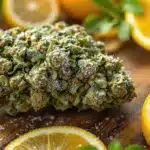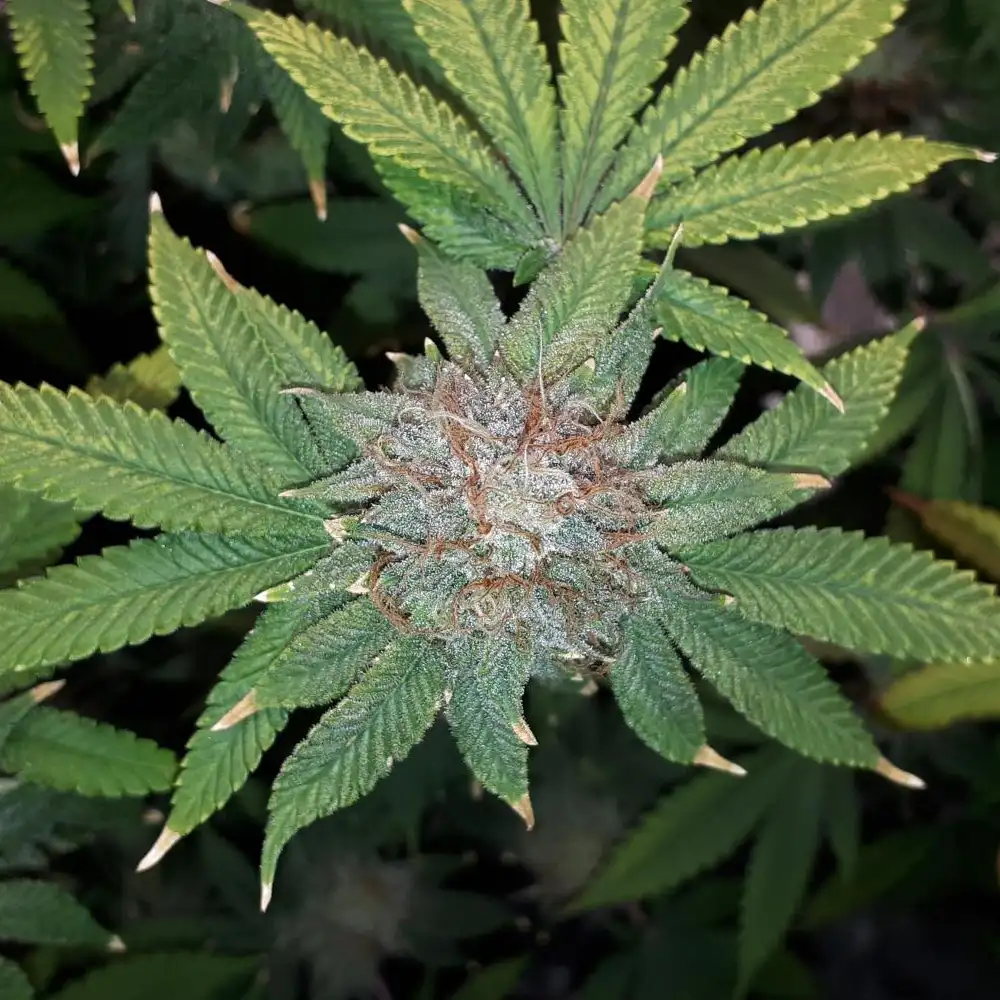
How to Grow Pink Gorilla Strain

Quick Summary: To effectively grow Pink Gorilla strain, provide a temperate climate (70-80°F) and 8-10 weeks of flowering. This 75% Indica hybrid yields dense, resinous buds. Focus on high Phosphorus levels during bloom and strict humidity control (40-50%) to avoid bud rot in its compact colas.
Pink Gorilla Weed Strain: Genetic Powerhouse
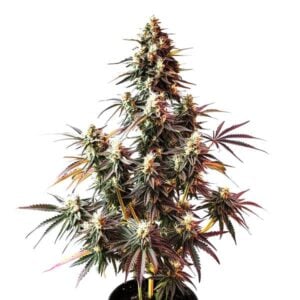
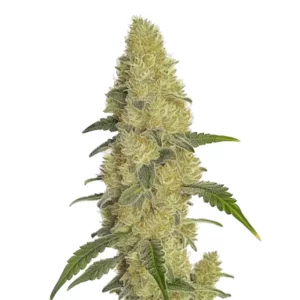
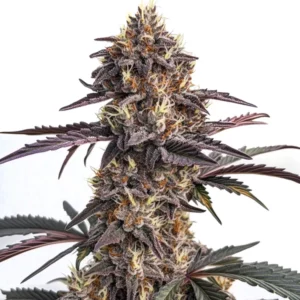
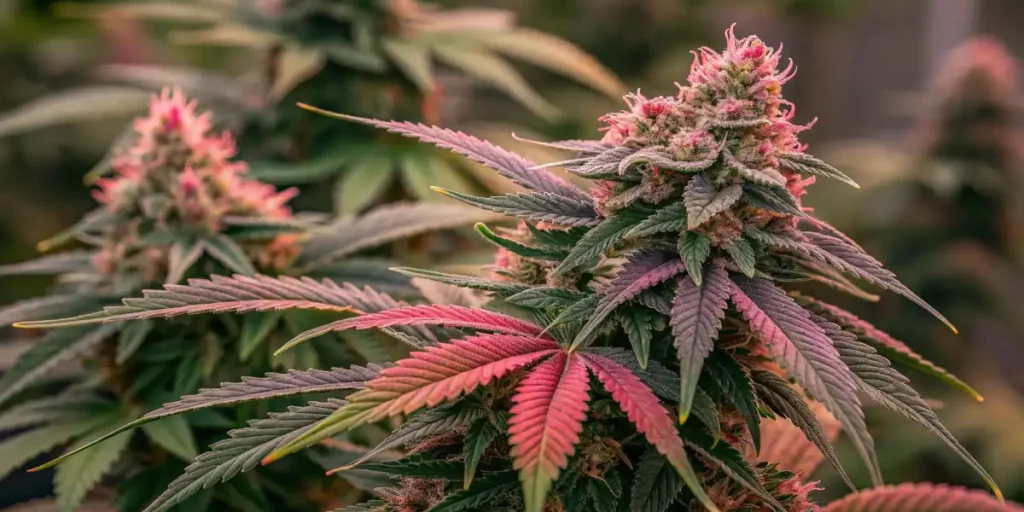
The Pink Gorilla weed strain is a world-class hybrid born from the legendary GG4 and Pink 2.0. This genetic lineage ensures a plant that is not only “beastly” in its resin production but also aesthetically stunning with potential pinkish hues. Biologically, the crossing of GG4 brings extreme stickiness from high terpene concentrations, while Pink 2.0 stabilizes the growth structure and enhances the sweet, fruity aromatic profile. This combination results in a medium-height plant that packs a punch with THC levels hitting the 18-22% mark.
Recommended Strains
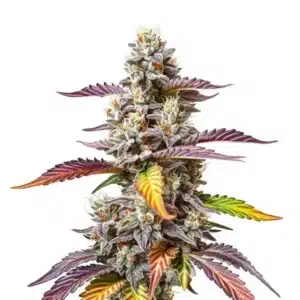
Pink Gorilla

|
THC | 18% - 22% (Medium) |

|
Type | Feminized |

|
Yield | High |

|
Phenotype | 75% Indica / 25% Sativa |
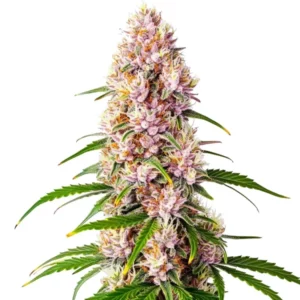
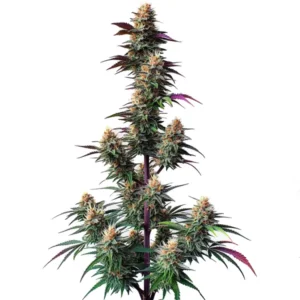
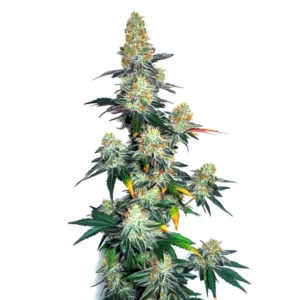
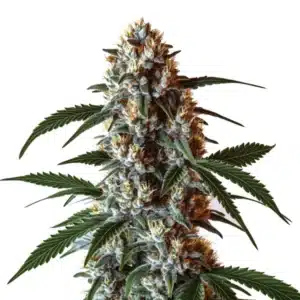
Pink Plant
|
|
THC | 17% - 22% (Medium) |
|
|
Type | Feminized |
|
|
Yield | High |
|
|
Phenotype | 20% Indica / 80% Sativa |
Cultivators love this strain because it behaves predictably in stable environments. The “Gorilla” side of its DNA provides robust lateral branching, while the “Pink” side lends it a slightly more manageable internodal spacing compared to pure Sativa varieties. When you grow Pink Gorilla strain, you aren’t just growing a plant; you are managing a high-output resin factory. The flowers develop into heavy, rock-hard clusters that require a specific nutritional approach to reach their full terpene potential, specifically focusing on the Entourage Effect created by Myrcene and Caryophyllene.
Promos & Deals
Optimizing the Grow Environment
To master the pink gorilla strain, you must understand its environmental threshold. Indoors, it thrives under high-intensity discharge (HID) lamps or modern full-spectrum LEDs. For the best results, aim for a PPFD (Photosynthetic Photon Flux Density) of 600-900 µmol/m²/s during the peak flowering weeks. Without adequate light intensity, the dense canopy of this strain can lead to “popcorn” buds on lower branches. Using reflective Mylar walls is essential to bounce PAR (Photosynthetically Active Radiation) back into the lower foliage, maximizing every watt used.
Temperature and humidity management are the two pillars of success for this variety. During the daytime, maintain 70-80°F (21-27°C). A critical pro-tip is to drop the nighttime temperature by about 10-15 degrees during the final two weeks of flowering. This thermal stress signals the plant to produce anthocyanins, which can pull out those elusive pink and purple colors. Humidity must be tapered: start at 60% in the vegetative stage and strictly drop to 40-45% in late bloom to protect the massive, moisture-trapping colas from Botrytis (gray mold).
Pink Gorilla Technical Comparison
| Feature | Pink Gorilla | GG4 | Purple Punch |
|---|---|---|---|
| Genotype | 75% Indica Hybrid | Balanced Hybrid | 90% Indica |
| Flowering Time | 56 – 70 Days | 63 – 70 Days | 50 – 60 Days |
| Primary Terpenes | Myrcene, Caryophyllene | Caryophyllene, Limonene | Limonene, Pinene |
| Odor Intensity | Extreme (Fruity/Fuel) | High (Sour/Earthy) | Medium (Berry/Sweet) |
| Feeding Needs | Heavy P-K Demand | High Nitrogen Demand | Moderate Feeding |
| Yield Potential | High (500-600g/m²) | Medium-High | High |
Advanced Nutrition and Feeding Schedule
When you grow Pink Gorilla strain, you must manage its metabolism carefully. In the vegetative phase, use a high Nitrogen ratio (e.g., NPK 3-1-2) to build strong stems capable of supporting its future weight. Because this strain grows aggressively, it often requires extra Calcium and Magnesium (Cal-Mag) to prevent “interveinal chlorosis,” where the leaves turn yellow while the veins stay green. Maintaining a soil pH of 6.2-6.5 ensures these micronutrients remain bioavailable.
As you transition to the flowering stage, the plant’s demand for Phosphorus and Potassium skyrockets. Switch to a “Bloom” formula with a ratio like 1-3-2. In the final weeks, using a PK booster (0-50-30) can help “swell” the buds, increasing the density that the pink gorilla weed strain is famous for. Always perform a 10-14 day flush with distilled or reverse osmosis water before harvest. This forces the plant to consume its stored sugars and nutrients, eliminating any “chemical” taste and ensuring a smooth, white-ash smoke.
Professional Tips for Expert Cultivators
- The “Stem Rub” Test: During mid-veg, rub the main stem. If it smells like heavy fuel and rotten fruit, you have a high-terpene phenotype that will require double the carbon filtration.
- Silica Supplementation: Use potassium silicate to strengthen cell walls. This helps the branches hold up the heavy Gorilla colas without snapping and increases resistance to heat stress.
- Selective Defoliation: Around Day 21 of flower, remove large fan leaves that shade internal bud sites. This redirects energy to the “money” buds but never remove more than 20% of foliage at once.
- Microbial Inoculants: Use Bacillus amyloliquefaciens in your water. This beneficial bacteria acts as a biological shield against root rot and Pythium, which can hide in overwatered pots.
- The 48-Hour Dark Finish: Before chopping, give your plants 48 hours of total darkness. This can boost resin production one last time as the plant “panics” to protect its remaining moisture.
What is the THC content of Pink Gorilla Weed Strain?
The pink gorilla weed strain generally tests between 18% and 22% THC. This makes it a very potent option for experienced users. The high is driven by a heavy Indica presence, providing deep physical relaxation. However, the Sativa side keeps the mind somewhat clear, making it a great choice for evening creativity or pain management without instant “couch-lock.”
How long does it take to grow Pink Gorilla strain?
Flowering usually takes between 8 and 10 weeks (56 to 70 days). If you want more cerebral, “soaring” effects, harvest when the trichomes are mostly milky white. If you prefer a heavy “body stone” for sleep or pain, wait until about 30% of the resin glands have turned a dark amber color. This allows the THC to partially degrade into CBN for a more sedative effect.
Is Pink Gorilla suitable for outdoor growing?
Yes, but it requires a warm, sunny climate with low humidity during the late summer. Because the buds are so dense, rain in late September or October can easily cause mold inside the colas. If you live in a humid area, using a greenhouse with high-powered fans to keep air moving is the best way to ensure your outdoor harvest stays healthy and smokeable.