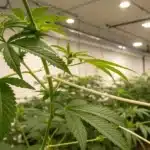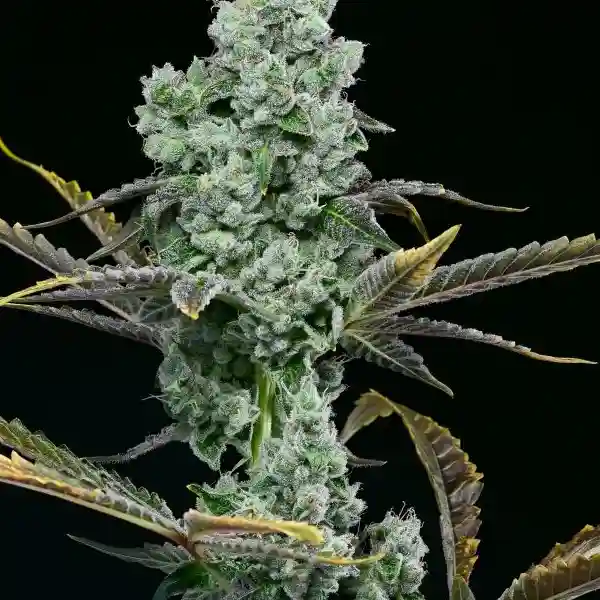
How To Grow Horchata Weed Strain

Quick Summary: The Horchata strain is a balanced hybrid (Gelato x Z OG) famous for its creamy, spicy profile and 28% THC levels. It thrives in 68-80°F temperatures. For maximum yields, use high PPFD lighting and maintain strict 12/12 light cycles during an 8-10 week flowering period.
Horchata Weed Strain: Genetic Profile and Characteristics
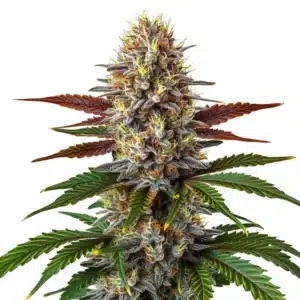
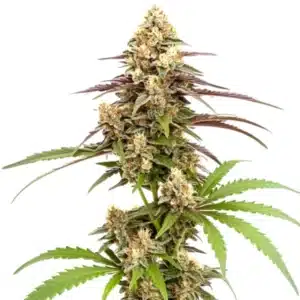
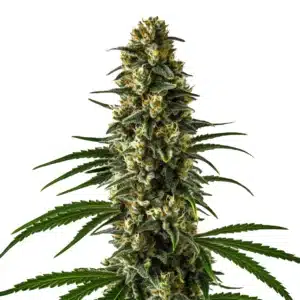
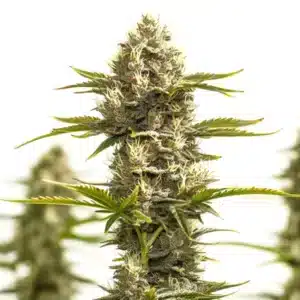
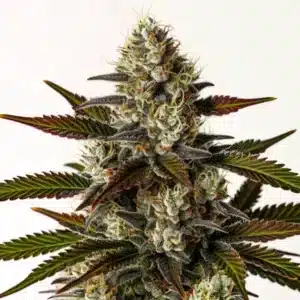
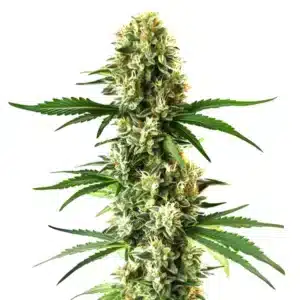
The Horchata strain is a premium balanced hybrid that represents the cutting edge of modern cannabis breeding. By crossing the legendary Gelato with Z OG, breeders created a plant with exceptional hybrid vigor. This genetic backbone results in dense, spade-shaped buds covered in a thick “frosting” of crystalline trichomes. Biologically, the plant produces a high concentration of resin intended to protect its seeds, but for growers, this translates to heavy cannabinoid production.
Recommended Strains
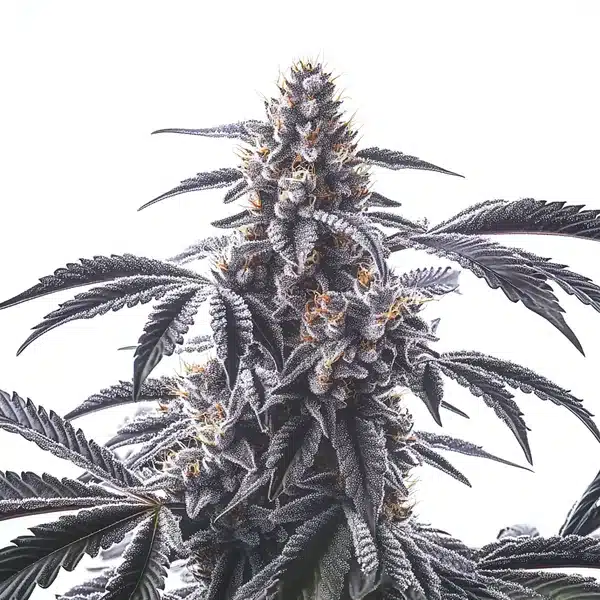


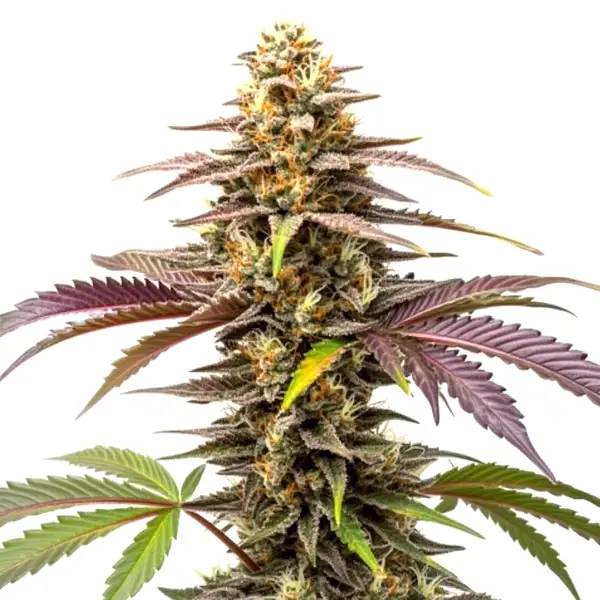
Technical horchata strain info reveals a complex chemical makeup. It often reaches a THC concentration of 28%. Its aromatic profile is dominated by specific terpenes: Caryophyllene (spicy), Limonene (citrus), and Myrcene (herbal). These compounds work together through the Entourage Effect. This means the terpenes don’t just provide smell; they actually shape how the THC affects your brain, leading to a high that is both soaring and physically relaxing without the heavy “couch-lock” of pure Indicas.
Promos & Deals

Environmental Requirements: PAR, PPFD, and Climate Control
To successfully grow horchata strain plants, you must master the light environment. During the vegetative stage, your plants need a Photosynthetic Photon Flux Density (PPFD) of about 400-600 µmol/m²/s. Once you transition to the flowering phase, you should increase this intensity to 600-900 µmol/m²/s. High-quality LED panels are ideal because they provide a full spectrum of light without the excessive heat of traditional HPS bulbs, which can evaporate the delicate terpenes that give Horchata its signature creamy scent.
Temperature and humidity management are the next technical hurdles. Keep daytime temperatures between 70-80°F (21-27°C). At night, a slight drop to 65°F (18°C) can help stimulate the production of anthocyanins, which may turn the leaves of the horchata plant a beautiful purple hue. Humidity should be kept at 60% during the vegetative stage to prevent transpiration stress. However, you must lower humidity to 40-45% during late flowering to protect the dense buds from Botrytis (bud rot).
Technical Comparison: Horchata vs. Parent Strains
| Feature | Horchata | Gelato | Z OG |
|---|---|---|---|
| Genetic Balance | 60% Indica / 40% Sativa | 50% Indica / 50% Sativa | 75% Indica / 25% Sativa |
| Avg. THC Content | 23% – 28% | 27% | 16% – 20% |
| Primary Terpene | Myrcene | Terpineol | Myrcene |
| Flower Duration | 7 – 8 Weeks | 8 – 10 Weeks | 8 – 10 Weeks |
| Plant Structure | Bushy / Robust | Short / Stocky | Medium / Wide |
| Optimal Substrate | Living Soil / Coco | Hydroponics | Organic Soil |
Nutrition Protocol: N-P-K Ratios for Maximum Potency
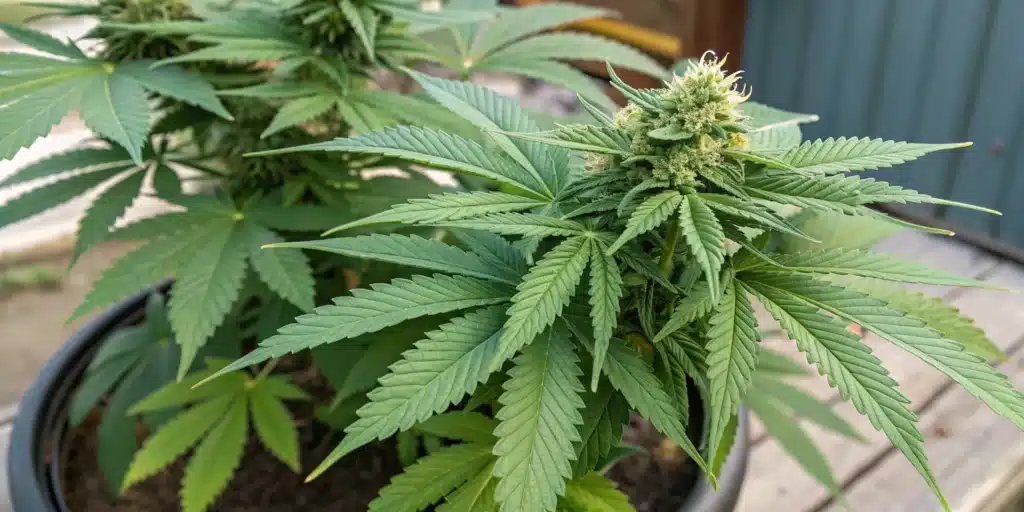
The horchata weed plant is a heavy feeder but requires a specific strategy. In the vegetative phase, use an N-P-K ratio around 3-1-2. High nitrogen is essential for building the large fan leaves that act as solar panels for the plant. If you notice the tips of the leaves turning yellow, it may be a sign of nitrogen deficiency. However, be careful not to overfeed, as Horchata is sensitive to “nutrient burn,” which manifests as dark, crispy leaf edges.
During the flowering stage, the plant’s needs shift dramatically. Switch to a 1-3-2 ratio. Increasing Phosphorus (P) and Potassium (K) is critical for bud density and trichome development. In the final two weeks, many growers perform a “flush” using only pH-balanced distilled water. This encourages the plant to use up its stored nutrients, which significantly improves the horchata strain review scores for flavor and smoothness, removing any “chemical” or “metallic” aftertaste.
Strict Pest Protocol and Disease Prevention
Because the horchata weed strain produces very dense buds, it is a target for specific pests. Spider mites are the most common threat. They hide under the leaves and suck the life out of the plant. A strict prevention protocol includes applying Neem Oil during the vegetative stage only. Never use Neem oil during flowering, as it will ruin the taste of the buds. For active infestations, introducing predatory mites like Phytoseiulus persimilis is a safe, biological solution.
Fungal diseases like Powdery Mildew (PM) are another concern. To prevent this, ensure your grow room has a high air exchange rate. Use oscillating fans to keep the leaves moving, which prevents stagnant air pockets where spores can land. If you spot white, flour-like spots on the leaves, act immediately by applying a mixture of 1 part milk to 9 parts water, which changes the leaf pH and kills the fungus without harming the horchata plant.
Professional Cultivation Tips
- Top Early: Cut the main stem after the 4th node to create two main colas. This maximizes light distribution across the canopy.
- LST (Low Stress Training): Gently tie down the side branches. This breaks apical dominance and encourages the smaller, lower buds to grow into large colas.
- Silica Supplementation: Add liquid silica to your reservoir. It strengthens cell walls, making your Horchata plants more resistant to heat stress and pests.
- The “Squeeze” Test: During curing, if the buds feel like “wet sponges,” they need more air. If they crumble like crackers, they are too dry.
- Amber vs. Milky: For a “heady” high, harvest when trichomes are 100% milky white. For a more physical “stone,” wait until 20% of the trichome heads turn amber.
Is the horchata strain indica or sativa?
The Horchata strain is an evenly balanced hybrid, consisting of approximately 50% Indica and 50% Sativa genetics. This balance provides a unique experience that starts with an energetic cerebral buzz (Sativa) and eventually settles into a relaxing body sensation (Indica). It is perfect for daytime or evening use depending on the user’s tolerance.
How long does the horchata plant take to flower?
When grown indoors, the horchata plant usually requires an 8 to 10-week flowering period. This timeline begins once you switch your lights to a 12/12 cycle. Outdoor growers in the Northern Hemisphere should expect to harvest in mid-to-late October. Ensuring the plant stays warm during the final weeks is vital for resin development.
What does a horchata strain review say about the flavor?
Most horchata strain review articles highlight its unique “dessert-like” profile. Users often report a creamy, vanilla-like base with sharp spicy notes of cinnamon and pepper. This is due to its high Caryophyllene and Limonene content. The smoke is generally very smooth, especially if the grower has performed a proper two-week flush before harvest.
What is the best light cycle to grow horchata strain?
For the vegetative stage, use an 18/6 cycle (18 hours of light, 6 hours of dark). This tells the plant it is “summer,” encouraging leaf and stem growth. To trigger the horchata weed to produce flowers, you must switch to a 12/12 cycle. Total darkness during the “off” hours is critical; even a tiny light leak can stress the plant and cause it to become a hermaphrodite.