How to Grow Gelato Strain

Quick Summary: To successfully grow Gelato strain, maintain strict VPD control (1.2–1.5 kPa in flower) and provide high-intensity light (800+ PPFD). This Sunset Sherbet x Thin Mint GSC hybrid rewards technical precision with high THC levels, dense purple-hued buds, and a complex dessert-like terpene profile.
Technical Profile: Gelato Plant Genetics
The Gelato cannabis plant is a powerhouse hybrid representing the pinnacle of California breeding. Biologically, it is an approximately 55% Indica / 45% Sativa cross, inheriting its vigorous growth from Sunset Sherbet and its tight, resinous flower structure from the Thin Mint phenotype of Girl Scout Cookies. Cultivators must understand that Gelato is not just one plant; phenotypes like Gelato #33 (Larry Bird) or Gelato #41 (Bacio) exhibit variations in internodal spacing and anthocyanin production.
Recommended Strains

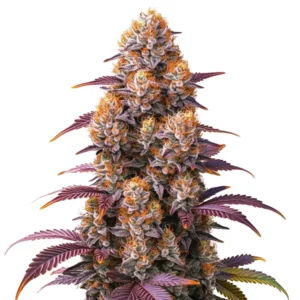
Gelato

|
THC | 27% (High) |

|
Type | Feminized |

|
Yield | High |

|
Phenotype | 50% Indica / 50% Sativa |

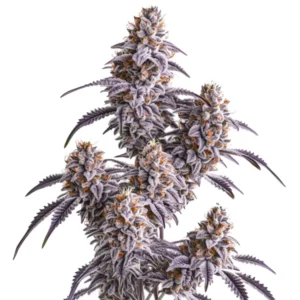
Gelato Auto
|
|
THC | 19% - 21% (Medium) |
|
|
Type | Autoflowering |
|
|
Yield | High |
|
|
Phenotype | 40% Indica / 60% Sativa |
From a chemical standpoint, the Gelato weed plant is a factory for secondary metabolites. It typically expresses a high concentration of Caryophyllene, Limonene, and Myrcene. The interaction between these terpenes and high THC levels (often exceeding 25%) facilitates the Entourage Effect, where Caryophyllene acts as a cannabinoid, binding directly to CB2 receptors to provide physical relaxation, while Limonene provides the energetic, cerebral lift associated with its Sativa heritage.
Promos & Deals




Environmental Optimization and Light Intensity (PAR/PPFD)
To maximize Gelato grow potential, lighting must be managed via Photosynthetic Photon Flux Density (PPFD) rather than simple wattage. During the vegetative stage, Gelato thrives at 400–600 µmol/m²/s. However, once the gelato flowering time begins, intensities should be ramped up to 800–1000 µmol/m²/s. If utilizing CO2 supplementation at 1200–1500 ppm, these plants can tolerate intensities up to 1200 µmol/m²/s, significantly increasing the gelato production time efficiency by accelerating metabolic rates.
Vapor Pressure Deficit (VPD) is the “why” behind successful transpiration. For outdoor gelato or indoor setups, maintaining a VPD of 0.8–1.0 kPa during veg ensures the stomata remain open for CO2 uptake. In late flowering, increasing the VPD to 1.3–1.5 kPa is critical. This high-stress environment encourages the plant to produce more resin (trichomes) as a defensive mechanism against desiccation, while simultaneously preventing the colonization of Botrytis cinerea within its characteristically dense terminal colas.
Nutrient Ratios and Substrate Management
Gelato is a “heavy feeder” but sensitive to nitrogen toxicity in the late stages. During the vegetative phase, utilize an NPK ratio of 3-1-2. As the transition to the gelato cannabis plant’s flowering stage occurs, shift to a 1-3-2 ratio. High levels of Phosphorus (P) and Potassium (K) are required to support the massive cell division occurring in the calyxes. Chelated micronutrients, specifically Calcium and Magnesium, should be provided at a constant 2:1 ratio to prevent the common interveinal chlorosis seen in this lineage.
Technical Comparison: Gelato vs. Competitor Strains
| Feature | Gelato | OG Kush | Wedding Cake |
|---|---|---|---|
| Flowering Time | 8–10 Weeks | 8–9 Weeks | 9 Weeks |
| Dominant Terpenes | Caryophyllene, Limonene | Myrcene, Limonene | Limonene, Caryophyllene |
| Growth Structure | Stocky/Bushy | Lanky/Stretchy | Dense/Compact |
| Anthocyanin Expression | High (Purple/Blue) | Low (Green) | Medium (Pinkish) |
| Mold Resistance | Low (Needs airflow) | Medium | High |
| Average THC % | 24–27% | 19–23% | 22–25% |
Strict IPM Protocol: Pest and Disease Management
Because the gelato plant produces extremely dense, resin-soaked buds, it is a high-risk candidate for internal bud rot. A strict Integrated Pest Management (IPM) protocol is mandatory. Preventive releases of Phytoseiulus persimilis (predatory mites) should occur every 3 weeks during the vegetative stage to combat the Two-Spotted Spider Mite, which is attracted to the high sugar content in Gelato’s phloem.
Against fungal pathogens, implement a foliar regimen of Bacillus subtilis during the first two weeks of flower. Avoid all foliar sprays after week 3 of flowering to prevent moisture entrapment in the calyxes. If humidity spikes above 60% during the final weeks of gelato production time, use high-volume fans to ensure a minimum air speed of 0.5 meters/second across the canopy to physically inhibit spore germination.
Expert Cultivation Tips (10+ Years Experience)
- Cold Shocking for Color: To trigger the purple phenotypes, drop your dark-period temperatures to 55–60°F (13–15°C) during the final 10 days of flower. This inhibits chlorophyll production and promotes anthocyanin accumulation.
- The “Gelato Stretch”: Expect the plant to double in size during the first 21 days of flower. Use a double-scrog (screen of green) system to manage this vertical growth and prevent branch collapse.
- Harvesting by Resin Gland Color: For the most “soaring” high, harvest when 10% of trichomes are amber. If looking for the “couch-lock” sedation, wait for a 30% amber ratio.
- Silica Supplementation: Use Potassium Silicate throughout veg and early flower to thicken cell walls, making the stems strong enough to hold the weight of Gelato’s dense colas without external staking.
FAQ: Gelato Strain Grow Info
What is the ideal gelato flowering time indoors?
The gelato flowering time typically spans 8 to 10 weeks. This variation depends on the specific phenotype and environmental factors like CO2 concentration and temperature. For the highest terpene retention, maintaining a slightly cooler room (72°F) during the final two weeks of the gelato grow is recommended to prevent volatile aromatics from evaporating.
Can I achieve high yields with an outdoor gelato grow?
Yes, outdoor gelato can yield significantly more than indoor setups, potentially producing over 500g per plant. However, because the gelato cannabis plant is sensitive to moisture, you must ensure a Mediterranean-style climate. In humid regions, harvest may need to be brought forward if late-season rains threaten the dense bud structure with mold.
Why is the gelato weed plant considered difficult for beginners?
The gelato weed plant is sensitive to “nutrient lockout” if the pH of the root zone deviates from the 6.0–6.5 range in soil. Beginners often struggle with its precise environmental needs and the necessity of advanced training techniques like topping and FIMing to manage its vigorous stretch during the transition to flower.
What defines a high-quality gelato cannabis plant?
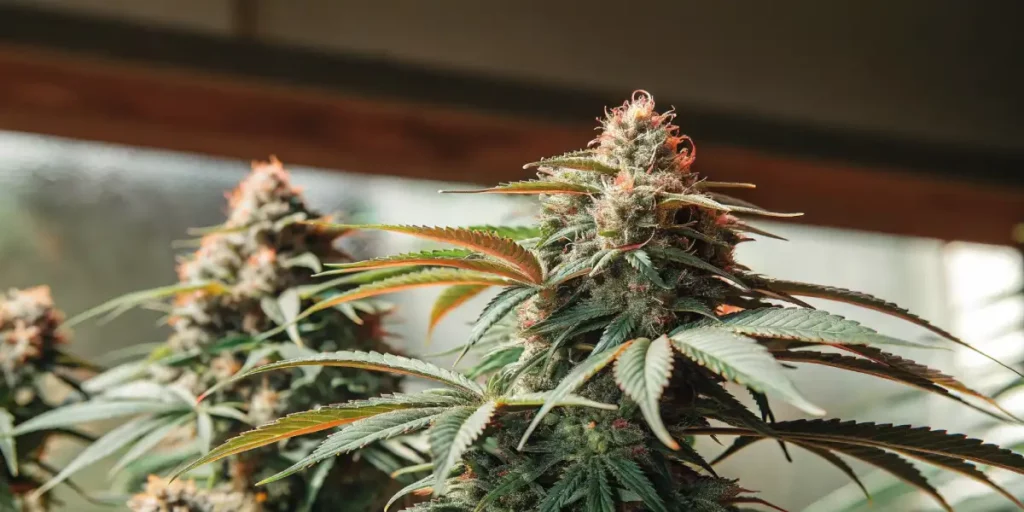
A premium gelato cannabis plant is defined by its “bag appeal,” consisting of deep purple hues contrasted by bright orange pistils and a thick layer of crystalline trichomes. More importantly, the technical quality is measured by its 2.5% or higher terpene content, specifically the presence of Linalool, which provides the signature lavender-mint aroma.