How to Grow Forbidden Fruit Strain

Forbidden Fruit strain: This hybrid cannabis strain is renowned for its sweet and fruity flavor profile, derived from Cherry Pie and Tangie. It typically features a THC content of 23-26% and a flowering time of 8-10 weeks. Cultivators appreciate its vibrant, trichome-rich buds. For optimal results, maintain a stable climate and consider both indoor and outdoor growing environments.
The Forbidden Fruit strain is a unique hybrid cannabis variety celebrated for its vivid colors and complex terpene profile. With dominant terpenes like Myrcene and Limonene, it offers a sensory experience of fruity and earthy notes. This strain is particularly valued for its balanced effects, providing both relaxation and euphoria, making it a versatile choice for various occasions.
Recommended Strains

Forbidden Fruit

|
THC | 23% - 26% (High) |

|
Type | Feminized |

|
Yield | Medium |

|
Phenotype | 70% Indica / 30% Sativa |

Forbidden Fruit Auto
|
|
THC | 20% - 22% (Medium) |
|
|
Type | Autoflowering |
|
|
Yield | Medium |
|
|
Phenotype | 75% Indica / 25% Sativa |
Overview of Forbidden Fruit Strain
Forbidden Fruit Strain Characteristics
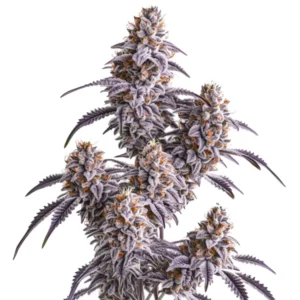
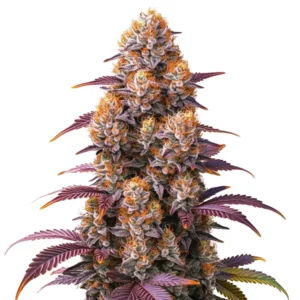
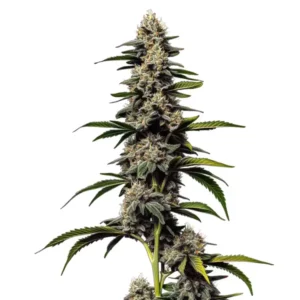
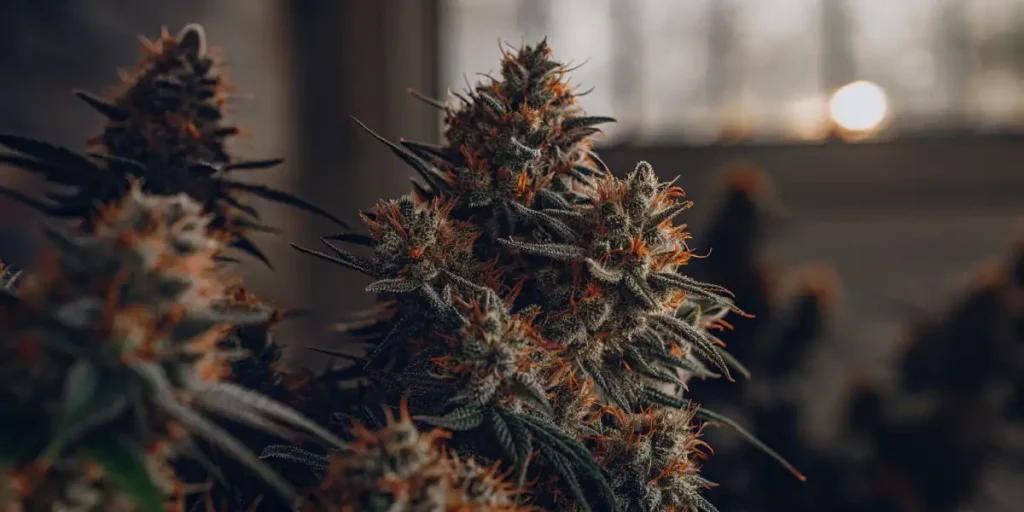
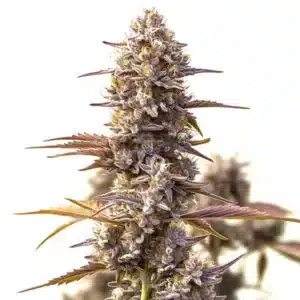
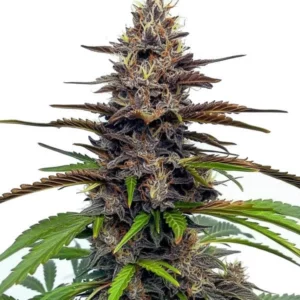
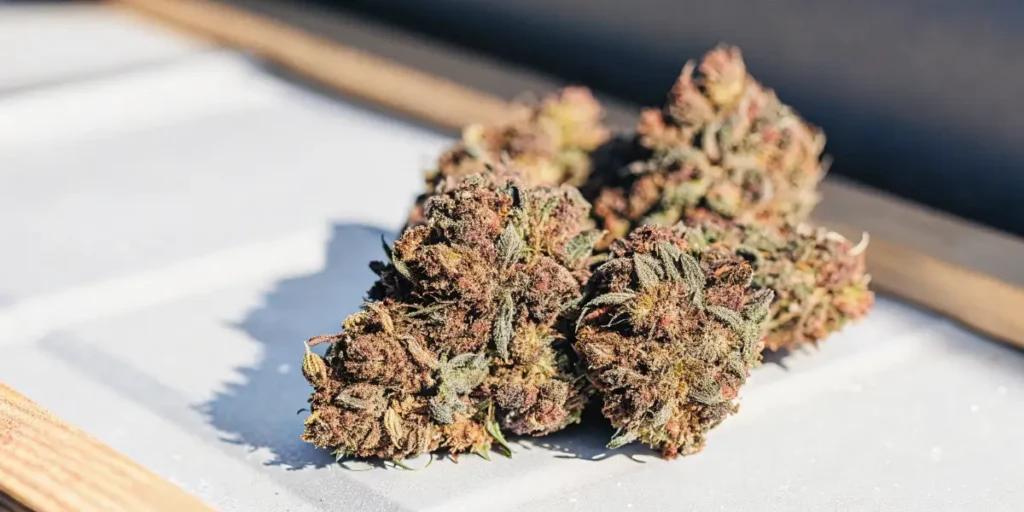
The Forbidden Fruit strain is a hybrid resulting from the crossbreeding of Cherry Pie and Tangie. It is known for its vibrant, densely packed buds that showcase a spectrum of colors, including deep purples and oranges. The buds are coated in a thick layer of trichomes, contributing to its frosty appearance. This strain typically contains 23-26% THC, making it potent and effective for both recreational and medicinal use.
Myrcene is the dominant terpene in Forbidden Fruit, present at 0.8-1.2%. It imparts earthy, musky notes and enhances THC’s psychoactive effects by increasing its permeability through the blood-brain barrier. Limonene, at 0.5-0.8%, adds citrusy undertones and is known for its mood-enhancing properties. These terpenes contribute to the strain’s unique aroma and entourage effects.
Growing Forbidden Fruit Strain Indoors and Outdoors
Forbidden Fruit thrives in a temperate climate with daytime temperatures between 70-80°F (21-27°C). For indoor cultivation, use high-quality LED grow lights or HPS lamps to ensure robust bud development. Maintain a light cycle of 16-24 hours during the vegetative phase, switching to 12/12 to initiate flowering. Outdoors, it flourishes in sunny environments with well-draining soil.
Indoor growers should provide adequate ventilation to prevent mold and mildew. Use a carbon filter to control odors, as the strain’s aroma can be potent during flowering. For outdoor cultivation, consider using a greenhouse in cooler climates to extend the growing season and protect plants from adverse weather conditions.
Ensure the environment is optimal for growth by maintaining a humidity level of 60-70% during the vegetative stage and reducing it to 40-50% during flowering. This helps prevent bud rot and supports healthy plant development. The use of CO2 enrichment can further enhance growth by improving photosynthesis efficiency.
Promos & Deals
Effects and Benefits of Forbidden Fruit Strain
Medicinal Uses
Forbidden Fruit strain offers a balanced blend of Indica and Sativa effects, making it suitable for a variety of medicinal applications. Its high THC content, ranging from 23-26%, can provide significant relief from chronic pain, anxiety, and insomnia. The presence of Myrcene enhances its sedative properties, making it ideal for evening use.
Patients seeking relief from stress and depression may benefit from the uplifting effects of Limonene, which can enhance mood and promote relaxation. The strain’s entourage effect, driven by its terpene profile, supports its efficacy in managing symptoms of PTSD and other mood disorders.
Recreational Effects
Recreational users appreciate Forbidden Fruit for its euphoric and relaxing effects. The strain’s ability to induce a calm, yet uplifting experience makes it popular for social gatherings and creative endeavors. With a flowering time of 8-10 weeks, it offers a rewarding cultivation experience for those seeking a potent and flavorful harvest.
For those new to cannabis, starting with a lower dose is advisable due to its high THC content. The strain’s fruity and earthy flavors, combined with its balanced effects, make it a favorite among cannabis enthusiasts.
| Feature | Forbidden Fruit | Sirius Black | Purple Pineapple |
|---|---|---|---|
| THC Content | 23-26% | 15-25% | 20-24% |
| Dominant Terpene | Myrcene | Caryophyllene | Limonene |
| Flavor Profile | Fruity, Lemon, Pine, Sweet | Citrus, Fruity, Kush, Woody | Citrus, Tropical |
| Flowering Time | 8-10 weeks | 9-10 weeks | 8-9 weeks |
| Yield Indoor (oz/ft²) | 1.47 | 1.31 – 1.64 | 1.1.64 – 1.97 |
Forbidden Fruit Strain Seeds and Availability
Where to Buy Forbidden Fruit Seeds
Forbidden Fruit strain seeds are available from reputable seed banks like Blimburn Seeds. They offer feminized and autoflowering options, ensuring growers can find the right seeds for their cultivation setup. With its vibrant buds and potent effects, Forbidden Fruit is a valuable addition to any grower’s collection.
When purchasing seeds, verify the authenticity and quality by choosing trusted sources. Blimburn Seeds provides detailed grow info and support to help you achieve the best results with Forbidden Fruit strain seeds.
Seed Germination and Propagation
To successfully germinate Forbidden Fruit seeds, start by soaking them in distilled water for 24-48 hours. Maintain a temperature of 70-85°F (21-29°C) and provide a dark, undisturbed environment. Once taproots develop, transfer them to a pre-moistened growing medium, such as a seedling tray or small pots filled with a light soil mix.
Ensure a warm and humid environment with gentle airflow during germination. Maintain a temperature of 75-80°F (24-27°C) and a humidity level of 60-70% for optimal results. Provide indirect light initially, gradually increasing intensity as seedlings develop.
Professional Tips for Growing Forbidden Fruit
- Maintain 58-62% RH during curing to preserve terpene profiles and prevent mold. Use a digital hygrometer for accuracy.
- Provide 800-1000 µmol/m²/s of light during peak flowering to maximize bud development and potency.
- Use a nutrient formula with an N:P:K ratio of 1:3:2 during flowering to enhance bud growth and resin production.
- Monitor pH levels closely, keeping them between 6.0-6.5 to ensure optimal nutrient uptake and prevent deficiencies.
- Install carbon filters in indoor setups to manage the strong aroma during flowering, preventing unwanted attention.
- Regularly inspect for pests and diseases, using organic pest control methods to maintain plant health and yield.
- Consider CO2 enrichment to boost photosynthesis and improve overall plant growth and yield.
FAQs About Forbidden Fruit Strain
Is forbidden fruit sativa or indica?
Forbidden Fruit is a hybrid strain with a slight Indica dominance. It combines the relaxing body effects typical of Indica strains with the cerebral euphoria associated with Sativa strains. This balance makes it versatile for both recreational and medicinal use, with THC levels ranging from 22-26%.
Is forbidden fruit a good strain?
Yes, Forbidden Fruit is highly regarded for its unique flavor profile and balanced effects. It offers a combination of sweet, fruity, and earthy flavors, with a THC content of 22-26%. Its effects are both relaxing and uplifting, making it suitable for various occasions and user preferences.
What is Snoop Dogg’s favourite strain?
Snoop Dogg is known for his affinity for cannabis, often favoring strains like OG Kush. While Forbidden Fruit isn’t specifically noted as his favorite, its unique profile and effects might appeal to enthusiasts seeking a flavorful and potent experience. The strain’s THC content ranges from 22-26%.
How to store Forbidden Fruit marijuana?
Store Forbidden Fruit marijuana in airtight glass jars at 60-70°F (15-21°C) with a humidity level of 58-62%. This preserves the strain’s flavor and potency. Avoid plastic containers, as they can affect the taste and degrade the quality over time. Proper storage ensures a long-lasting, enjoyable experience.
Can I use Forbidden Fruit in edibles?
Yes, Forbidden Fruit can be used in edibles. Its sweet and fruity flavor enhances the taste of cannabis-infused treats. When making edibles, decarboxylate the cannabis first to activate the THC. Be mindful of dosage, as the strain’s THC content ranges from 22-26%, ensuring a potent effect.