How To Grow Fat Bastard Strain

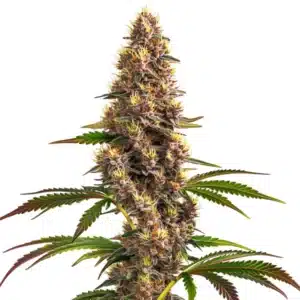
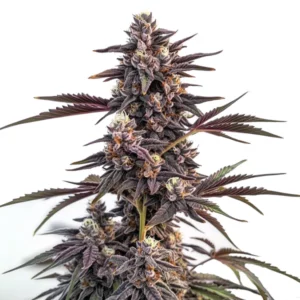
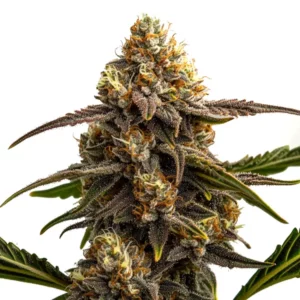
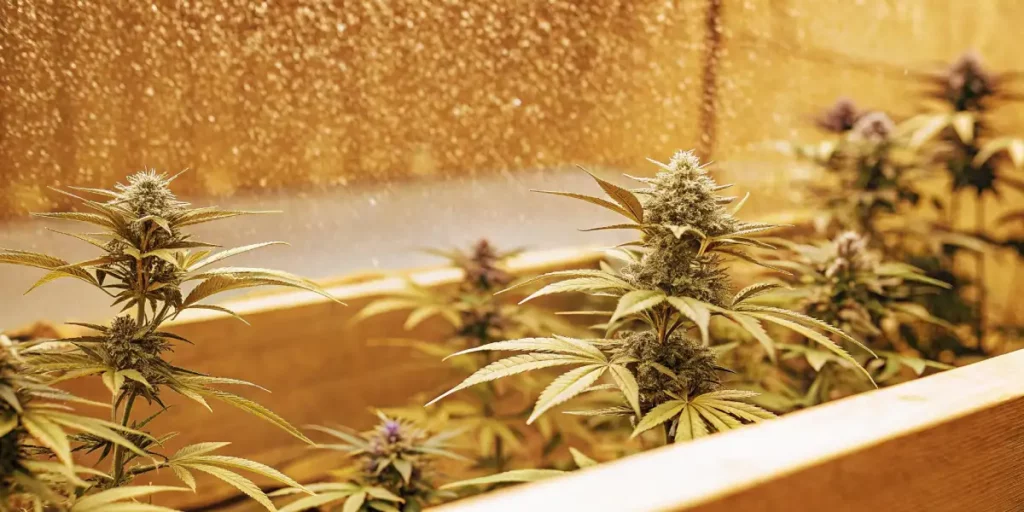
Fat Bastard is a 60% indica-dominant hybrid, renowned for its remarkable THC content, which ranges from 30% to 38%. This potent crossbreed of Goldmember and Monkey Spunk delivers a deeply relaxing and euphoric experience. The strain is celebrated for its dense, trichome-laden buds, exuding a fruity and skunky aroma, and is favored for its substantial yields.
Fat Bastard Strain captivates with its unique terpene profile, featuring myrcene at 1.2% and caryophyllene at 0.8%, contributing to its complex aroma. The flowering phase typically spans 8 to 10 weeks, allowing growers to anticipate a rewarding harvest. Maximizing both yield and quality requires precise control over environmental and nutritional factors.
Recommended Strains

Fat Bastard

|
THC | 30% - 38% (High) |

|
Type | Feminized |

|
Yield | High |

|
Phenotype | 50% Indica / 50% Sativa |

Fat Bastard Auto
|
|
THC | 30% - 38% (High) |
|
|
Type | Autoflowering |
|
|
Yield | High |
|
|
Phenotype | 50% Indica / 50% Sativa |
Overview of Fat Bastard Strain
Genetic Background and THC Levels
Fat Bastard Strain is a hybrid with a genetic lineage stemming from Goldmember and Monkey Spunk. This combination results in a robust plant with a high THC content, ranging from 30% to 38%. The strain’s indica dominance (60%) provides a relaxing body high, while the sativa influence (40%) contributes to its euphoric cerebral effects.
THC levels in Fat Bastard Strain significantly impact the psychoactive experience, making it a powerful choice for seasoned users. The high THC content enhances the entourage effect, where cannabinoids and terpenes work synergistically to amplify therapeutic benefits. This strain is particularly noted for its ability to induce a profound sense of relaxation and euphoria.
During cultivation, the plant’s high THC levels result from a combination of genetic factors and optimal growing conditions. Ensuring the right balance of nutrients, particularly nitrogen during the vegetative phase and phosphorus during flowering, supports the plant’s metabolic processes that lead to THC production.
Terpene Profile and Sensory Experience
The terpene profile of Fat Bastard Strain is a key factor in its unique sensory experience. Myrcene, present at 1.2%, is known for its earthy and musky aroma, enhancing THC’s psychoactive effects by facilitating its passage across the blood-brain barrier. Caryophyllene, at 0.8%, adds a spicy note and interacts with CB2 receptors to provide anti-inflammatory benefits.
These terpenes not only define the strain’s aroma but also contribute to its therapeutic potential. The combination of myrcene and caryophyllene creates a complex flavor profile that appeals to both recreational and medicinal users. The role of terpenes can help growers optimize the strain’s aromatic and therapeutic qualities.
Terpenes like myrcene and caryophyllene play a crucial role in the plant’s defense mechanisms against pests and diseases. By producing these compounds, the plant can deter herbivores and attract beneficial insects, which is essential for outdoor cultivation.
Promos & Deals
Growing Fat Bastard Strain Indoors
Lighting and Environmental Requirements
Indoor cultivation of Fat Bastard Strain requires careful management of lighting and environmental conditions. High-quality LED grow lights or HPS lamps are recommended, providing an optimal light intensity of 800-1000 µmol/m²/s during peak flowering. Maintaining a temperature range of 70-80°F (21-27°C) and humidity levels at 50-60% is crucial for preventing mold and mildew.
Proper environmental control ensures healthy growth and maximizes yield. The use of reflective materials like Mylar can enhance light distribution, while a well-ventilated grow space prevents heat buildup. Monitoring these parameters closely can lead to a successful indoor harvest, yielding 1.5-1.8 oz/ft² (450-550 g/m²).
During the flowering stage, a strict 12/12 photoperiod is essential to trigger bud development. This photoperiod mimics the natural light cycle that induces flowering in cannabis plants. Additionally, a drop in nighttime temperatures by 8-11°C (15-20°F) below daytime levels can enhance color and resin production.
Soil and Nutrient Management
Choosing the right growing medium is essential for nurturing Fat Bastard Strain indoors. A high-quality soil mix with good drainage and a pH of 6.0-6.5 is ideal. Nutrient management should focus on a balanced N:P:K ratio of 3:1:2 during the vegetative phase, transitioning to 1:3:2 during flowering to support bud development.
Over-fertilization can lead to nutrient burn, characterized by leaf tip browning. Regularly testing soil pH and nutrient levels helps prevent deficiencies and toxicities. Implementing a structured feeding schedule based on plant needs and growth stage can enhance overall plant health and yield.
Monitoring the pH of the soil is critical for nutrient uptake. A pH of 6.5 ensures optimal availability of essential nutrients, preventing lockout. Adjusting the pH with lime or sulfur can correct imbalances and promote vigorous growth.
| Feature | Fat Bastard | Cheesecake X Gelato Auto | Purple Pineapple |
|---|---|---|---|
| THC Content | 30-38% | 20-24% | 18-22% |
| Flowering Time | 8-10 weeks | 9-10 weeks | 8-9 weeks |
| Yield (Indoor) | 1.5-1.8 oz/ft² (450-550 g/m²) | 1.2-1.5 oz/ft² (350-450 g/m²) | 1.3-1.6 oz/ft² (370-460 g/m²) |
| Dominance | Indica-dominant | Hybrid | Sativa-dominant |
| Terpene Profile | Myrcene, Caryophyllene | Limonene, Myrcene | Pinene, Limonene |
Outdoor Cultivation Tips
Climate and Soil Considerations
Fat Bastard Strain thrives in a sunny, warm climate with temperatures between 70-80°F (21-27°C). Selecting a location with ample sunlight and well-draining soil enriched with organic matter is crucial. Large containers or fabric pots can improve soil quality and root health, ensuring robust plant development.
Outdoor growers should monitor environmental conditions closely to prevent stress from temperature fluctuations. Using stakes or trellises provides support for branches, preventing breakage under the weight of dense buds. Proper soil management, including pH monitoring and organic amendments, can enhance nutrient uptake and plant vigor.
In outdoor settings, maintaining a relative humidity of 40-50% during flowering is essential to prevent bud rot. This arid environment, combined with CO2-rich air, optimizes photosynthesis and plant metabolism, leading to healthier and more productive plants.
Pest and Disease Management
Implementing preventive measures against pests and diseases is vital for outdoor cultivation. Regular inspections for signs of infestation, such as spider mites or aphids, can prevent severe damage. Introducing beneficial insects like ladybugs offers a natural pest control solution, reducing the need for chemical treatments.
Maintaining proper airflow and ventilation minimizes the risk of mold and mildew. Quarantining new plants before introducing them to the garden helps prevent the spread of pathogens. By staying vigilant and proactive, outdoor growers can ensure a healthy and productive Fat Bastard harvest.
Utilizing companion planting techniques can further enhance pest management. Plants such as marigolds and basil can repel harmful insects, while also attracting pollinators that benefit the cannabis plants.
Professional Tips for Growing Fat Bastard Strain
- Maintain 58-62% RH during curing to preserve terpene integrity. Below 55% halts terpene development; above 65% risks mold. Use a digital hygrometer for accuracy.
- Ensure 800-1000 µmol/m²/s light intensity during flowering. Insufficient light reduces yield and potency. Position lights appropriately to avoid light burn.
- Use a balanced N:P:K 3:1:2 ratio in vegetative stage. Over-fertilization leads to nutrient lockout. Regularly test soil pH to prevent imbalances.
- Implement low-stress training (LST) to improve light penetration. Avoid high-stress techniques that can stunt growth. Gradual bending prevents branch damage.
- Monitor trichomes for optimal harvest time. Milky trichomes indicate peak potency. Amber trichomes suggest a more sedative effect.
- Utilize organic pest control methods to protect plant health. Chemical pesticides can compromise bud quality. Introduce beneficial insects for natural management.
FAQs about Fat Bastard Strain
What is the fat bastard strain?
Fat Bastard Strain is a potent indica-dominant hybrid, known for its high THC levels of 30-38%. It offers a relaxing and euphoric high, making it popular among recreational and medicinal users. The strain is a cross between Goldmember and Monkey Spunk, featuring dense buds with a fruity and skunky aroma.
How to store Fat Bastard Strain for maximum freshness?
Store Fat Bastard Strain in airtight glass jars at 60-70°F (15-21°C) with 58-62% RH to maintain freshness. Avoid exposure to light and air to prevent degradation. Proper storage preserves the strain’s terpene profile and potency, ensuring a quality experience over time.