How to Grow Candy Kush Strain

Quick Summary: Candy Kush is a legendary Indica-dominant hybrid (OG Kush x Trainwreck). It features a sweet flavor and a balanced THC level of 14-19%. This resilient strain is perfect for both indoor and outdoor growers seeking a therapeutic, relaxing experience with a manageable 8-10 week flowering window.
Candy Kush Strain: Cultivation Guide
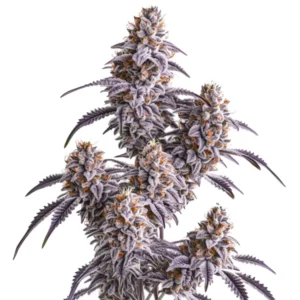
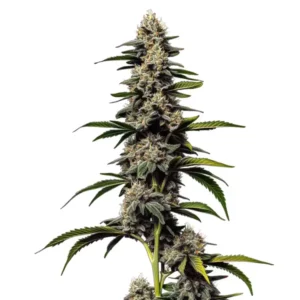
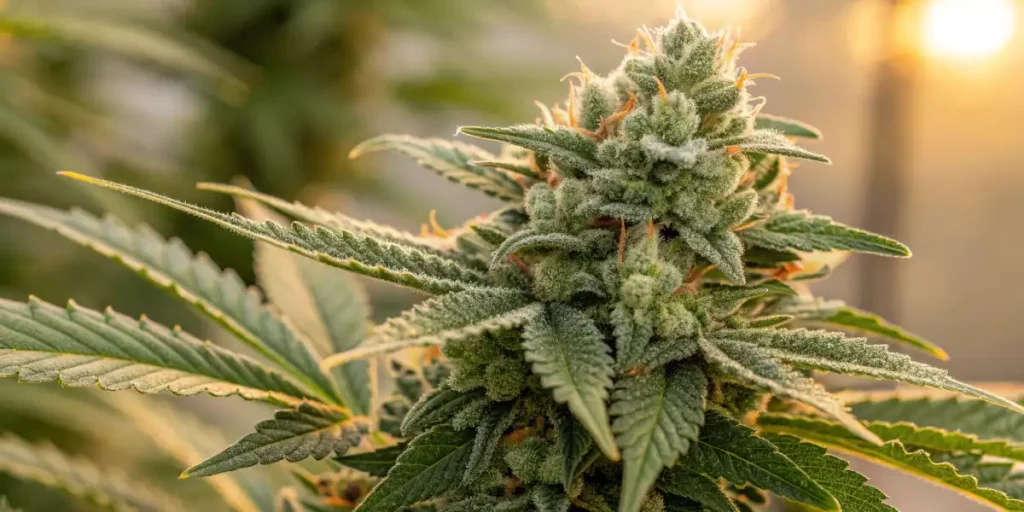
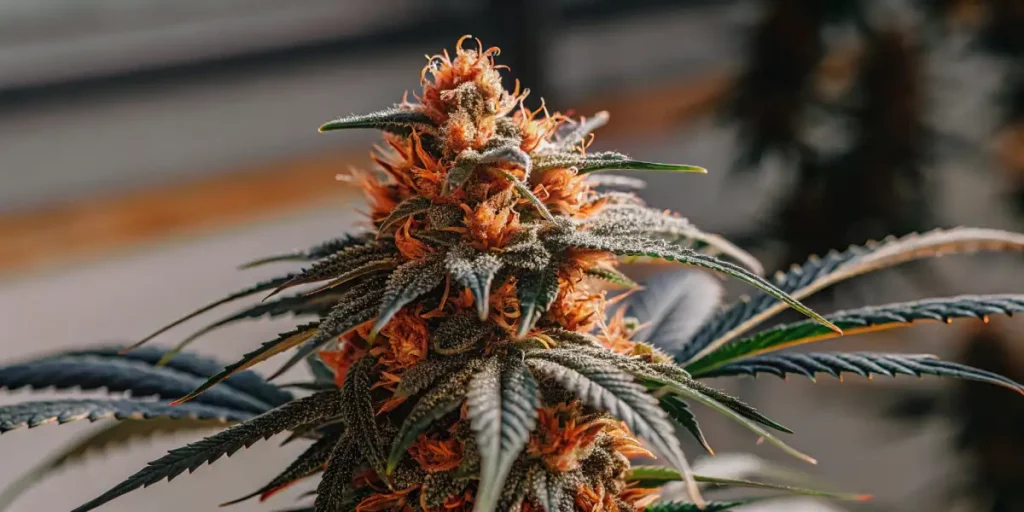
The Candy Kush weed strain is a masterclass in hybrid breeding, combining the structural integrity of OG Kush with the invigorating resin production of Trainwreck. Biologically, this strain is classified as a Cannabis sativa var. indica dominant variety. It excels in metabolic efficiency, allowing it to transition smoothly through its life cycle while producing a dense canopy of trichome-heavy flowers. For many, the appeal lies in the candy kush THC level, which offers a functional yet deep physical relaxation that avoids the “couch-lock” typically found in pure Afghanica varieties.
Recommended Strains
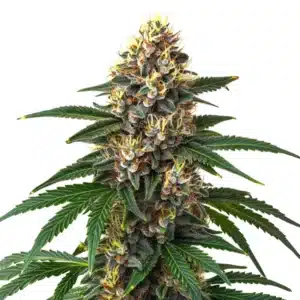
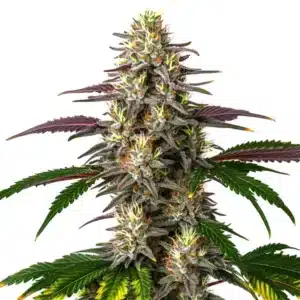
Candy Kush

|
THC | 14% - 19% (Medium) |

|
Type | Feminized |

|
Yield | Medium |

|
Phenotype | 60% Indica / 40% Sativa |
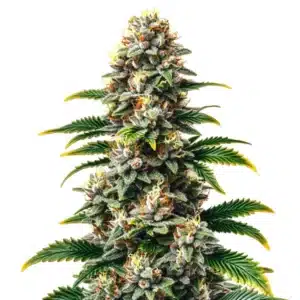
Candy Kush Regular
|
|
THC | 18% - 22% (Medium) |
|
|
Type | Regular |
|
|
Yield | Medium |
|
|
Phenotype | 65% Indica / 35% Sativa |
Cultivating candy kush seeds requires an understanding of the plant’s vascular efficiency. During the vegetative stage, the plant exhibits symmetrical phyllotaxy, which gradually shifts to asymmetrical branching as it approaches sexual maturity. This structural shift is a signal for growers to adjust nutrient ratios. Because of its lineage, the plant responds exceptionally well to high-PAR (Photosynthetically Active Radiation) lighting environments. Whether you are using a 400W Metal Halide for vegetative growth or a high-efficiency LED for flowering, the goal is to provide enough light energy to drive the photosynthesis process without inducing thermal stress.
Promos & Deals
Detailed Environmental Requirements for Candy Kush
When you grow candy kush strain, the atmosphere is just as important as the soil. Ideally, daytime temperatures should be kept between 70-80°F (21-27°C). Biologically, this range optimizes the opening of the stomata, tiny pores on the underside of the leaves. These pores manage CO2 intake and oxygen release. If the environment becomes too hot (above 85°F), the plant will close its stomata to conserve water, effectively stopping growth and reducing the eventual candy kush THC level due to heat-induced terpene degradation.
Humidity management is the second pillar of success. During the vegetative phase, high humidity (60-70%) is beneficial as the root system is still expanding. However, once you enter the flowering stage, you must drop the Relative Humidity (RH) to 40-50%. The dense bud structure of Candy Kush makes it susceptible to Botrytis cinerea (gray mold) if moisture becomes trapped within the calyx clusters. Consistent airflow from oscillating fans is mandatory to prevent micro-climates of stagnant, moist air from forming around the colas.
Technical Comparison: Candy Kush vs. Competitors
| Feature | Candy Kush | OG Kush | Trainwreck |
|---|---|---|---|
| Genetics | Indica Dominant Hybrid | Pure Indica/Hybrid | Sativa Dominant |
| THC Content | 14% – 19% | 19% – 24% | 18% – 21% |
| Flowering Time | 8 – 10 Weeks | 8 – 9 Weeks | 9 – 11 Weeks |
| Terpene Profile | Limonene, Myrcene | Pinene, Caryophyllene | Terpinolene, Myrcene |
| Growth Height | Medium / Bushy | Short / Compact | Tall / Vine-like |
| Ease of Growth | High (Beginner) | Moderate | Moderate |
Nutritional Protocols and Advanced Fertilization
To achieve the best results with candy kush seeds, you must tailor your N-P-K (Nitrogen, Phosphorus, Potassium) ratios to the plant’s life stage. During the vegetative phase, use a high-nitrogen formula to support chlorophyll production and rapid foliage expansion. A healthy Candy Kush plant can grow up to two inches per day if nutrients are not limited. We recommend maintaining a soil pH of 6.0 to 6.5 to ensure that secondary nutrients like Calcium and Magnesium remain bioavailable to the root hairs.
As you transition to the flowering cycle by switching to a 12/12 light schedule, the plant’s demand for Phosphorus (P) and Potassium (K) skyrockets. These elements are the building blocks of heavy, resinous buds. Potassium, specifically, regulates the plant’s internal water pressure and enzyme activation. Adding beneficial microbes or Trichoderma bacteria to your medium can further enhance root efficiency and protect the plant from soil-borne pathogens like Pythium. Always perform a final flush with pure, pH-balanced water 10-14 days before harvest to remove chemical residuals that might affect the sweet, fruity flavor.
Pest Prevention and Disease Management
Despite being a hardy variety, the candy kush weed strain can attract common cannabis pests. Spider mites are the primary threat; they thrive in warm, dry environments and reproduce rapidly. To prevent an infestation, maintain a clean grow area and use organic preventatives like Neem oil during the vegetative stage. Never spray colas during flowering, as this will ruin the terpene profile and resin quality. If thrips or aphids appear, introducing beneficial insects like ladybugs is an effective, non-toxic solution.
Disease management focuses mainly on fungal prevention. Gray mold and powdery mildew are the enemies of high-quality harvests. Because Candy Kush produces very dense flowers, internal moisture is a risk. Professional growers often use a “defoliation” technique, removing the lower 20% of spindly branches and large fan leaves that don’t receive direct light. This process, known as “lollipopping,” redirects growth energy to the top colas and significantly improves air circulation through the canopy.
Professional Tips for Elite Harvests
- The 30X Rule: Use a 30X microscope to inspect resin crystals. Do not harvest until the trichome heads are milky white with at least 10% turning amber for a potent “entourage effect.”
- Stem Snapping: When drying, buds are ready for the curing jar only when the smaller stems “snap” cleanly instead of bending. This indicates the internal moisture has reached the correct level (~10-12%).
- Carbohydrate Loading: In the final weeks of flower, some growers use unsulphured molasses to feed the soil microbes, which can enhance the natural “candy” sweetness of the terpene profile.
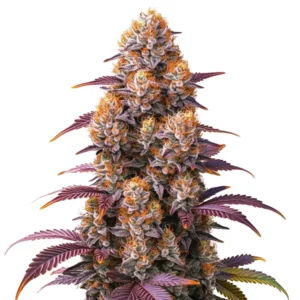
- Nighttime Temp Drops: A slight drop in nighttime temperature (approx. 10-15°F) during the final two weeks of flowering can trigger the production of anthocyanins, bringing out the deep purple hues in the buds.
Is Candy Kush strain Indica or Sativa?
Candy Kush is a predominantly Indica-dominant hybrid. It typically leans 70% Indica and 30% Sativa. This genetic balance comes from its OG Kush and Trainwreck lineage. The result is a plant that grows with the squat, bushy structure of an Indica but maintains the vigorous resin production and cerebral uplift often found in Sativa-heavy varieties.
What is the typical Candy Kush THC level?
The candy kush THC level generally falls between 14% and 19%. While this isn’t the highest in the Blimburn collection, it is highly valued for its medicinal balance. The presence of CBD and a diverse terpene profile (Limonene and Myrcene) creates a smooth experience that relieves anxiety and physical pain without overwhelming psychoactivity.
How do I maximize the flavor of my Candy Kush seeds?
Flavor is all about the terpene preservation. To maximize the sweet, fruity notes, ensure your drying room stays below 70°F (21°C). High heat causes the volatile essential oils to evaporate. A slow, 7-10 day dry followed by a minimum 4-week cure in airtight glass jars will develop the full “candy” aroma and ensure a smooth smoke.
Can I grow Candy Kush strain outdoors in cool climates?
While Candy Kush prefers a Mediterranean climate, it is a resilient strain. If you live in a cooler region, use a greenhouse or “harden off” your seedlings by gradually exposing them to the outdoors. Because it finishes flowering in 8-10 weeks, it usually beats the first heavy frosts of autumn, making it a reliable choice for northern latitudes.