How to Grow Blue Grape Fuel Weed Strain

Blue Grape Fuel strain: This hybrid cannabis strain is celebrated for its potent effects and distinct grape flavor profile. With THC levels between 24% and 26%, it delivers a balanced high, making it suitable for both medicinal and recreational users. The strain thrives in controlled environments, demanding specific temperature and humidity conditions for optimal growth. Its genetic lineage includes Animal Cookies, HeadStash, NL#5, and Blueberry, resulting in a complex hybrid with both Indica and Sativa traits.
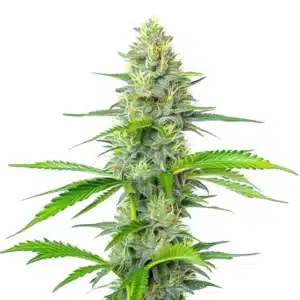
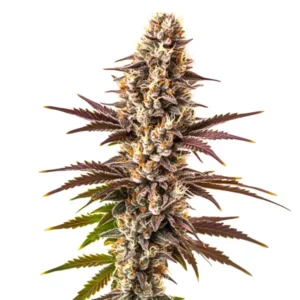
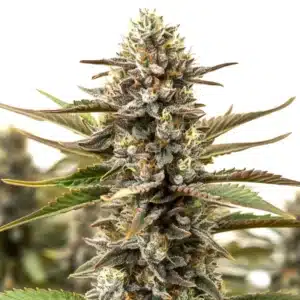
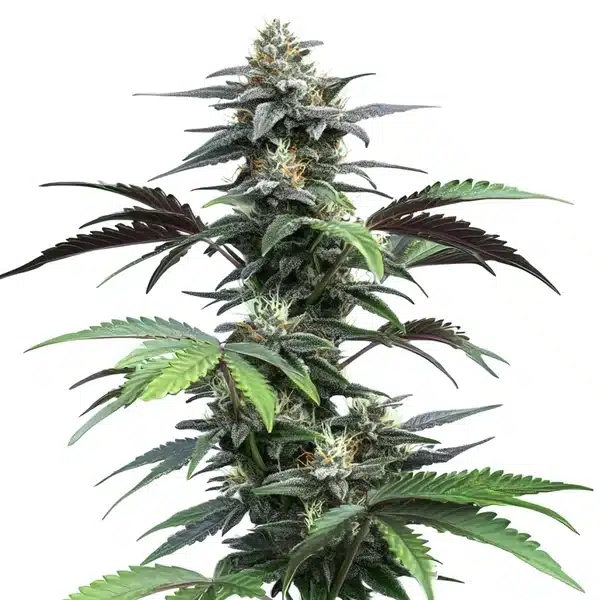
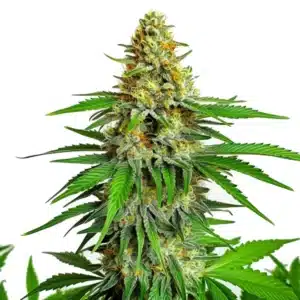
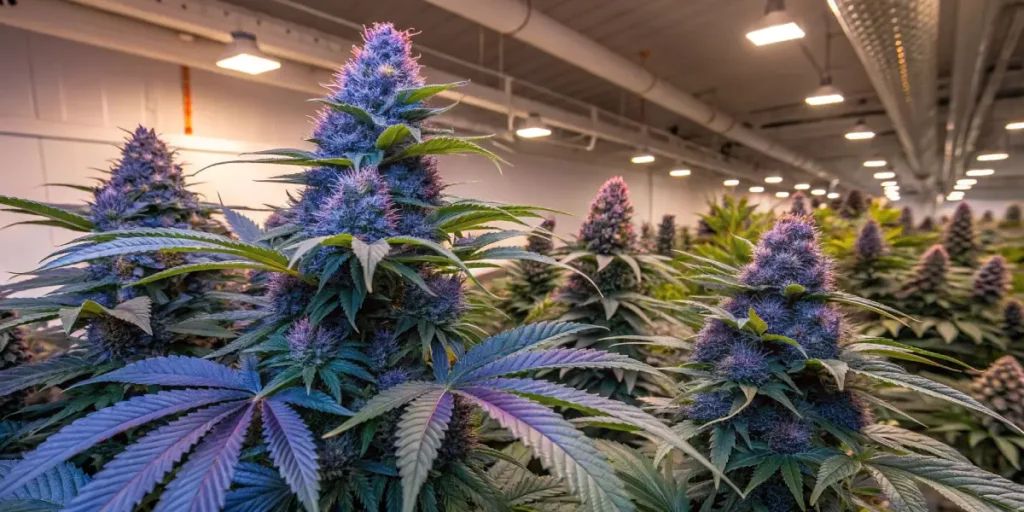
The Blue Grape Fuel strain stands out with its rich terpene profile, including Caryophyllene and Myrcene, contributing to its unique aroma and potential therapeutic benefits. This strain typically flowers in 8 to 10 weeks, making it a favorite among growers seeking a quick turnaround. Its dense buds, often tinged with blue and purple hues, are a visual delight for cannabis enthusiasts.
Recommended Strains

Blue Grape Fuel

|
THC | 24% - 26% (High) |

|
Type | Feminized |

|
Yield | High |

|
Phenotype | 50% Indica / 50% Sativa |
Blue Fruit Auto
|
|
THC | 12% - 16% (Medium) |
|
|
Type | Autoflowering |
|
|
Yield | Medium |
|
|
Phenotype | 70% Indica / 30% Sativa |
Overview of Blue Grape Fuel Strain
Genetic Lineage and Background
Blue Grape Fuel is a hybrid strain that combines the genetics of Animal Cookies, HeadStash, NL#5, and Blueberry. This complex lineage results in a strain that exhibits both Indica and Sativa characteristics. The strain’s dense buds are often highlighted with shades of blue and purple, covered in a generous layer of frosty trichomes, offering a visual appeal that matches its potent effects.
The strain is renowned for its high THC levels, ranging from 24% to 26%, which deliver a powerful euphoric and energetic high. Its balanced effects make it suitable for both recreational and medicinal users, providing uplifting mental stimulation alongside a relaxing body buzz. The flavor profile is distinctive, with a prominent grape and sour taste complemented by earthy undertones.
Terpene Profile and Effects
Blue Grape Fuel’s terpene profile includes Caryophyllene (0.4-0.7%), known for its spicy, peppery aroma and potential anti-inflammatory effects. Myrcene (0.8-1.2%) adds earthy, musky notes and enhances THC uptake through the blood-brain barrier. Alpha Humulene and Limonene contribute to the strain’s unique aroma and therapeutic benefits, potentially alleviating anxiety, fatigue, and migraines.
These terpenes not only define the strain’s sensory experience but also play a role in its physiological effects. Caryophyllene interacts with CB2 receptors to reduce inflammation, while Myrcene’s sedative properties can enhance relaxation. Limonene may elevate mood and relieve stress, making Blue Grape Fuel a versatile choice for various therapeutic applications.
Promos & Deals
Growing Blue Grape Fuel Strain
Indoor Cultivation Tips
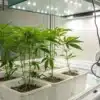
For optimal growth, Blue Grape Fuel requires a controlled indoor environment. Maintain temperatures between 70-80°F (21-27°C) during the day, with slightly cooler nights to mimic its natural habitat. High-quality LED grow lights or HPS lamps are recommended to provide sufficient light intensity, crucial for healthy photosynthesis and robust bud development.
During the vegetative stage, a light cycle of 18-20 hours per day is optimal, transitioning to 12 hours of light and 12 hours of darkness to trigger the flowering phase. Ensure proper ventilation and use reflective materials like Mylar sheets to optimize light distribution. A balanced nutrient regimen with higher nitrogen content supports leafy growth.
Outdoor Growing Conditions
When growing outdoors, select a location with plenty of sunlight and a favorable climate. Blue Grape Fuel thrives in a sunny, warm environment but may require a greenhouse or additional protection in cooler regions. This strain can flourish in well-draining soil rich in organic matter, with large containers or fabric pots managing soil quality and root health.
Support structures such as stakes or trellises are recommended to help support the weight of the buds as they grow, preventing branches from breaking and ensuring better airflow around the plant. Regular inspection for pests and diseases, along with appropriate preventive measures, will help maintain plant health throughout the growing season.
| Feature | Blue Grape Fuel | Granddaddy Purple | Grape Ape |
|---|---|---|---|
| THC Content | 24-26% | 17-23% | 18-21% |
| Dominant Terpene | Caryophyllene | Myrcene | Limonene |
| Flowering Time | 8-10 weeks | 9-11 weeks | 8-9 weeks |
| Yield (Indoor) | 1.5-1.8 oz/ft² (450-550 g/m²) | 1.2-1.5 oz/ft² (350-450 g/m²) | 1.3-1.6 oz/ft² (370-460 g/m²) |
| Flavors | Grape, Sour | Berry, Sweet | Grape, Earthy |
Effects and Benefits
Medicinal Uses
Blue Grape Fuel is popular among medicinal users for its potential to alleviate symptoms of anxiety, fatigue, and migraines. The strain’s high THC content, combined with its terpene profile, offers both mental and physical relief. Caryophyllene’s anti-inflammatory properties can help reduce pain, while Myrcene’s sedative effects promote relaxation.
Patients seeking relief from stress and tension may find Blue Grape Fuel particularly beneficial. Its balanced effects make it suitable for use throughout the day, providing an uplifting mental boost without causing excessive sedation. The strain’s unique flavor profile also makes it an enjoyable choice for those seeking a flavorful therapeutic experience.
Recreational Experience
Recreational users appreciate Blue Grape Fuel for its potent and balanced high. The strain delivers a euphoric and energetic mental state, coupled with a relaxing body buzz. This combination makes it ideal for social gatherings or creative pursuits, where both mental clarity and physical relaxation are desired.
The strain’s grape and sour flavors add to the overall experience, providing a sensory delight that enhances its recreational appeal. Users often report feeling uplifted and motivated, with a sense of calm that allows for focus and creativity. Blue Grape Fuel’s versatility makes it a popular choice for a wide range of recreational activities.
Professional Tips for Growing Blue Grape Fuel
- Maintain 70-80°F (21-27°C) during the day for optimal growth. Temperatures outside this range can stress the plant, affecting yield and potency.
- Use a light cycle of 18-20 hours during the vegetative stage. This promotes vigorous growth and prepares the plant for a successful transition to flowering.
- Ensure humidity levels are between 40-50% during flowering to prevent mold. High humidity can lead to bud rot, compromising the quality of the harvest.
- Choose a nutrient regimen with higher nitrogen content during vegetative growth. This supports leafy development and overall plant health.
- Implement low-stress training (LST) to manage plant height and improve light penetration. This technique encourages a fuller canopy and better bud development.
- Regularly inspect for pests and diseases, using organic control methods when necessary. Early detection and intervention can prevent significant crop loss.
FAQs About Blue Grape Fuel Strain
What is the optimal light schedule for Blue Grape Fuel?
During the vegetative stage, use an 18-20 hour light schedule to promote growth. Transition to 12 hours of light and 12 hours of darkness during the flowering phase to encourage bud development. Consistent lighting is crucial for maintaining plant health and maximizing yield.
How does Blue Grape Fuel compare to Grape Ape?
Blue Grape Fuel offers a more balanced high with THC levels between 24-26%, while Grape Ape is known for its calming effects with THC around 18-21%. Both strains feature grape flavors, but Blue Grape Fuel includes sour notes, enhancing its unique sensory profile.
What are the common pests affecting Blue Grape Fuel?
Common pests include spider mites, aphids, and thrips. Regular inspections and preventive measures like introducing beneficial insects can help control these pests. Maintaining proper airflow and cleanliness in the grow space also reduces the risk of infestations.
How long should Blue Grape Fuel be cured?
Cure Blue Grape Fuel for 2-4 weeks in airtight glass jars at 60-70°F (15-21°C) with 58-62% humidity. This process enhances flavor and potency, ensuring a premium final product. Open jars daily during the first week to release excess moisture, then reduce frequency.
What type of soil is best for outdoor Blue Grape Fuel cultivation?
Use well-draining soil rich in organic matter for outdoor cultivation. Large containers or fabric pots help manage soil quality and root health. Ensure the soil pH is between 6.0-6.5 for optimal nutrient uptake and plant growth.