Best Fertilizer for Outdoor Marijuanas: A Comprehensive Guide

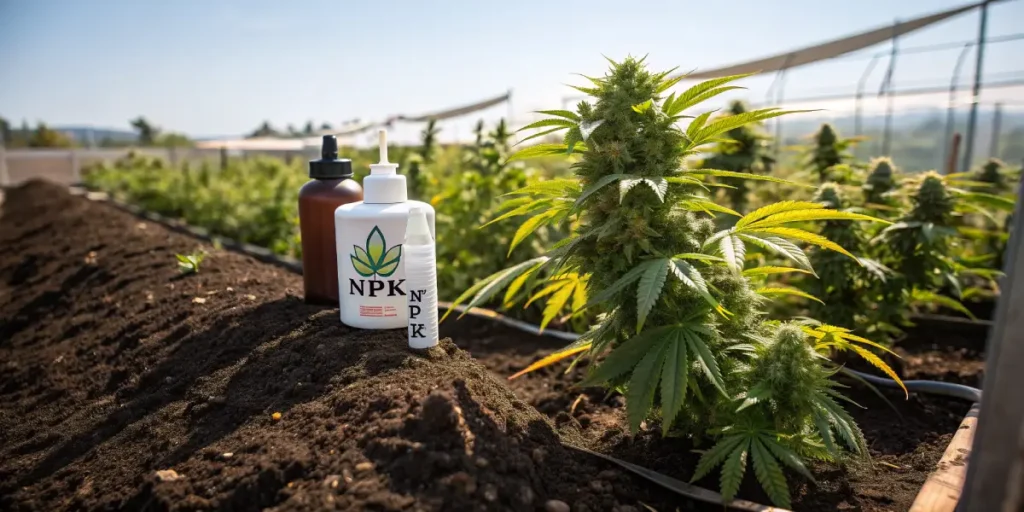
Optimal Fertilizer Choice: Outdoor cannabis thrives with fertilizers rich in nitrogen, phosphorus, and potassium (NPK 3:1:2), ensuring robust growth and a yield increase of up to 30%. Expert growers recommend organic options for environmental benefits and synthetic for precise nutrient control. Selecting the right fertilizer enhances plant health and maximizes harvest potential, offering a significant advantage in outdoor cultivation.
The terpene profile and flowering time of your cannabis strains is crucial for selecting the best fertilizer. Terpenes like myrcene, at 0.8-1.2%, enhance aroma and therapeutic effects, while flowering times of 8-10 weeks dictate nutrient schedules. This guide explores how to optimize these factors for outdoor growth.
Recommended Strains

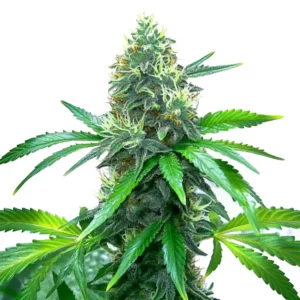
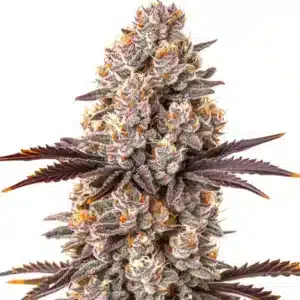
Fat Bastard

|
THC | 30% - 38% (High) |

|
Type | Feminized |

|
Yield | High |

|
Phenotype | 50% Indica / 50% Sativa |

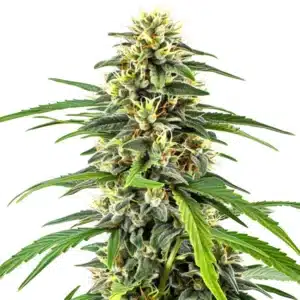
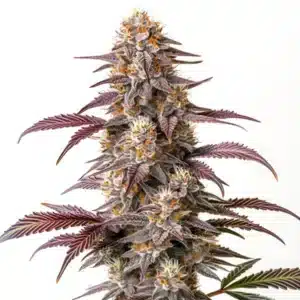
Cafe Racer
|
|
THC | 25% (High) |
|
|
Type | Feminized |
|
|
Yield | Medium |
|
|
Phenotype | 30% Indica / 70% Sativa |
Outdoor Marijuana Nutrient Needs
Essential Macronutrients for Growth
Macronutrients, nitrogen, phosphorus, and potassium are the backbone of cannabis nutrition. Nitrogen (N) supports leafy growth, phosphorus (P) aids in root and flower development, and potassium (K) enhances overall plant health. These elements form the NPK ratio, crucial for plant vitality.
During the vegetative stage, a 3:1:2 NPK ratio is ideal, promoting lush foliage. As plants transition to flowering, a 1:3:2 ratio supports bud formation. Misbalancing these can lead to poor growth or nutrient burn.
Photosynthesis, the process by which plants convert light energy into chemical energy, relies heavily on these macronutrients. Nitrogen is integral for chlorophyll production, while phosphorus is vital for energy transfer through ATP. Potassium regulates stomatal opening, facilitating CO2 uptake and transpiration.
Importance of Micronutrients
Micronutrients like calcium, magnesium, and sulfur are vital for enzymatic functions and chlorophyll production. Calcium strengthens cell walls, magnesium is central to photosynthesis, and sulfur aids amino acid synthesis. Their deficiency can stunt growth and yellow leaves.
Ensure your fertilizer includes these micronutrients. For example, magnesium should be at 0.5-1% for optimal photosynthesis. Overlooking these can lead to nutrient lockout, affecting yield and potency.
Calcium is crucial for cell division and elongation, directly impacting plant structure and strength. Magnesium acts as a central atom in chlorophyll molecules, essential for capturing light energy. Sulfur is necessary for synthesizing certain amino acids and vitamins, integral to plant metabolism.
Promos & Deals

Organic vs. Synthetic Fertilizers for Cannabis
Benefits of Organic Fertilizers
Organic fertilizers, derived from natural sources like compost and fish emulsion, improve soil health and encourage microbial activity. They release nutrients slowly, aligning with plant growth cycles, and enhance soil structure.
For instance, compost provides a balanced nutrient mix and improves soil aeration. Fish emulsion, with an NPK of 5:1:1, is excellent for vegetative growth. Avoid over-application to prevent nutrient leaching.
Organic fertilizers support the soil’s biological ecosystem, promoting beneficial bacteria and fungi that aid in nutrient breakdown and uptake. This symbiotic relationship enhances nutrient availability and absorption, leading to healthier plants and improved yields.
Advantages of Synthetic Fertilizers
Synthetic fertilizers offer precise nutrient control, with specific NPK ratios tailored to growth stages. They provide immediate nutrient availability, supporting rapid growth and high yields.
For example, a synthetic fertilizer with a 10:30:20 NPK ratio can boost flowering. However, excessive use can lead to salt buildup, affecting soil pH and plant health.
The rapid nutrient availability from synthetic fertilizers can be beneficial in correcting deficiencies quickly. However, monitoring soil pH is crucial, as imbalances can hinder nutrient uptake. Regular soil testing ensures optimal conditions for nutrient absorption.
| Feature / Merkmal | Bruce Banner X Mochalope | Amnesia Purple | Afghan X Haze |
|---|---|---|---|
| THC Content | 25-28% | 22-25% | 20-23% |
| Flowering Time | 8-9 weeks | 9-10 weeks | 10-12 weeks |
| Yield | 21-25 oz/plant | 18-22 oz/plant | 20-24 oz/plant |
| Terpene Profile | Myrcene 1.1% | Limonene 0.9% | Caryophyllene 0.8% |
| Resistance | High | Medium | High |
Top Fertilizers for Outdoor Marijuana
Best Organic Fertilizers
Compost and worm castings are nutrient-rich, improving soil structure and microbial life. Fish emulsion, with an NPK of 5:1:1, supports vegetative growth, while bone meal provides phosphorus for flowering.
These fertilizers enhance soil health and plant resilience. For example, compost increases water retention by 20%, crucial in dry climates. Avoid over-application to prevent nutrient leaching.
Worm castings are rich in humic acids, which enhance nutrient uptake and stimulate root growth. Bone meal, high in phosphorus, is essential for root development and flowering, ensuring robust bud production.
Recommended Synthetic Fertilizers
Time-release granular fertilizers offer controlled nutrient release, supporting consistent growth. Liquid fertilizers provide rapid nutrient uptake, ideal for addressing deficiencies quickly.
A time-release fertilizer with a 10:20:10 NPK ratio supports flowering, while liquid options can correct nutrient imbalances within days. Overuse can lead to salt buildup, affecting soil pH.
Granular fertilizers are beneficial for long-term nutrient supply, reducing the need for frequent applications. Liquid fertilizers are excellent for foliar feeding, delivering nutrients directly to the leaves for immediate absorption.
Professional Tips for Outdoor Marijuana Fertilization
- Maintain soil pH between 6.0-7.0. Outside this range, nutrient uptake is impaired, leading to deficiencies.
- Apply fertilizers in the early morning to prevent nutrient evaporation and ensure optimal absorption.
- Use a 3:1:2 NPK ratio during vegetative growth for lush foliage. Incorrect ratios can stunt growth.
- Switch to a 1:3:2 NPK ratio during flowering to support bud development. Delayed transition affects yield.
- Incorporate calcium and magnesium at 0.5-1% to prevent deficiencies that cause leaf yellowing.
- Monitor soil moisture levels, maintaining 60-70% to avoid root rot or dehydration.

Frequently Asked Questions
How to make buds grow quicker outdoor?
To accelerate bud growth outdoors, ensure your plants receive 12 hours of direct sunlight daily and use a fertilizer with a 1:3:2 NPK ratio during flowering. Prune lower branches to focus energy on bud sites, potentially increasing yield by 15-20%.
What fertilizer makes bigger buds?
Fertilizers with a high phosphorus content, such as those with a 1:3:2 NPK ratio, promote larger buds. Phosphorus supports energy transfer and flowering. Ensure adequate potassium to enhance bud density and resistance, aiming for a 2-3% increase in size.
Can I use fish emulsion for outdoor cannabis?
Yes, fish emulsion is excellent for outdoor cannabis, providing a balanced nutrient profile with an NPK of 5:1:1. It supports vegetative growth and enhances soil microbial life. Apply at 2-3 tablespoons per gallon of water every two weeks for best results.
Is compost tea effective for marijuana plants?
Compost tea is beneficial, enriching soil with nutrients and beneficial microbes. It improves nutrient uptake and plant health. Apply at 1-2 gallons per plant every 2-3 weeks. Ensure the tea is aerated to prevent anaerobic bacteria, which can harm roots.
What is the role of potassium in cannabis growth?
Potassium is crucial for photosynthesis, enzyme activation, and water regulation. It enhances disease resistance and bud quality. Maintain potassium levels at 1-2% in your fertilizer mix. Deficiencies can lead to weak stems and reduced yields.