Top Blimburn Strains for Nutrient-Sensitive Growing: Expert Picks

When it comes to growing cannabis, not all strains require the same nutrient levels. Some strains thrive under nutrient-rich conditions, while others are more delicate and need careful nutrient management. For those interested in cultivating top Blimburn strains for nutrient-sensitive growing, there are several excellent options to consider. These strains not only adapt well to low nutrient environments but also deliver impressive yields and potency.
Many growers, both novices and seasoned experts, seek out strains that can flourish with minimal nutrient input. This is particularly true for those who are cautious about overfeeding or who have limited access to a variety of nutrients. The best Blimburn cannabis strains for low nutrient environments offer resilience and robust growth with a simpler nutrient plan.
Recommended Strains
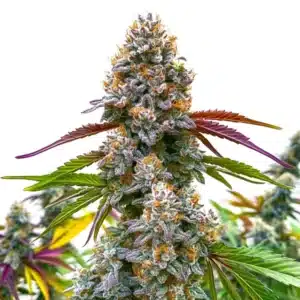
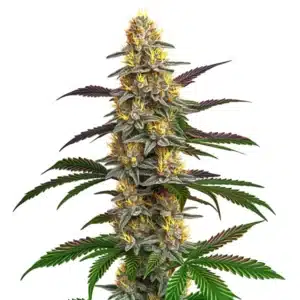
Critical Daddy Purple

|
THC | 19% (Medium) |

|
Type | Feminized |

|
Yield | High |

|
Phenotype | 50% Indica / 50% Sativa |
Strawberry Banana
|
|
THC | 17% - 23% (Medium) |
|
|
Type | Feminized |
|
|
Yield | Medium |
|
|
Phenotype | 70% Indica / 30% Sativa |
Let’s dive into the top Blimburn strains for sensitive growers. These selections are based on their ability to perform under less-than-ideal nutrient conditions, making them perfect for those who prefer a more hands-off approach.
Critical Daddy Purple: A Top Choice for Nutrient-Sensitive Growing
Critical Daddy Purple stands out as one of the best Blimburn cannabis strains for low nutrient environments. This strain is a cross between Critical Mass and Granddaddy Purple, combining the best traits of both. It’s known for its resilience, making it suitable for growers who need a forgiving plant.
With its vibrant buds and sweet, fruity aroma, Critical Daddy Purple doesn’t just impress with its looks and smell. It’s also a top performer in terms of yield, even when grown under nutrient-sensitive conditions. This makes it an ideal Blimburn strain for careful nutrient management, as it can handle fluctuations in feeding schedules without compromising quality.
Besides to its attractive characteristics, Critical Daddy Purple is highly adaptable and can thrive in both indoor and outdoor environments. Its genetic robustness allows it to withstand varying climate conditions, making it a versatile choice for growers in different regions. This adaptability contributes to its reputation as one of the top Blimburn strains for sensitive growers.
For those who prioritize flavor and aroma, Critical Daddy Purple delivers a delightful sensory experience. Its sweet and fruity notes, combined with its potent effects, make it a favorite among cannabis enthusiasts. As one of the nutrient-sensitive Blimburn weed strains recommendations, it offers a balanced approach between ease of cultivation and high-quality results.
Growing Tips for Critical Daddy Purple
For those new to growing, Critical Daddy Purple is a great starting point. It requires less frequent feeding than other strains, allowing you to focus on other aspects of your gardening. Ensure that your soil mix provides essential nutrients slowly, which helps in maintaining a balanced feeding regime.
This strain also benefits from regular monitoring of pH levels. Keeping your water and soil pH in check can prevent nutrient lockout, a common issue in nutrient-sensitive cultivation. Aim for a pH range of 6.0 to 6.5 for optimal growth.
When cultivating Critical Daddy Purple, it’s important to consider the light exposure and air circulation within your grow area. Adequate lighting will ensure the plant receives the energy needed for photosynthesis, while good air circulation helps prevent mold and other issues. These factors are crucial for maintaining plant health, especially in nutrient-sensitive Blimburn weed strains recommendations.
Another tip for growing Critical Daddy Purple is to implement a consistent watering schedule. Overwatering can lead to root rot, which can severely impact the plant’s health. Allowing the soil to dry out slightly between waterings encourages root development and ensures that the plant absorbs nutrients effectively, aligning with the best practices for nutrient-sensitive Blimburn strains.
Promos & Deals



Blue Dream: A Classic Favorite for Low Nutrient Environments
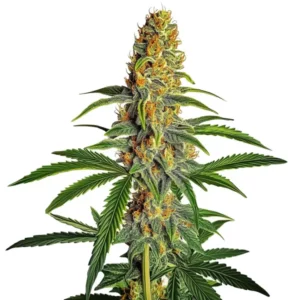
Blue Dream is a legendary strain that has captivated the cannabis community for years. Known for its balanced effects and ease of growth, it’s a staple in many gardens. For those managing delicate nutrient plans, Blue Dream offers a forgiving growth pattern.
This strain adapts well to various growing conditions, making it a top Blimburn strain for sensitive growers. Its ability to thrive with moderate feeding schedules means you can achieve high-quality results without the complexity of intensive nutrient management.
Blue Dream’s robust nature makes it suitable for growers of all levels, from novices to experts. Its stability in different environments and resistance to common pests and diseases contribute to its popularity as one of the ideal Blimburn strains for careful nutrient management. This makes it an excellent choice for those seeking reliable performance with minimal intervention.
The strain’s balanced blend of Sativa and Indica genetics not only provides a harmonious high but also supports diverse cultivation approaches. Whether you’re using soil, hydroponics, or other growing mediums, Blue Dream adapts well, offering flexibility and ease of growth. This adaptability solidifies its position among the best Blimburn cannabis strains for low nutrient environments.
Effective Strategies for Cultivating Blue Dream
Cultivating Blue Dream successfully starts with knowing its nutrient needs. This strain thrives with a balanced N-P-K ratio, which can be achieved with standard nutrient mixes. If you’re using soil, consider a mix that includes compost or worm castings to provide a steady nutrient supply.
Blue Dream is also tolerant to changes in lighting and temperature, but maintaining stability in these areas can enhance its growth. Indoor growers often utilize LED lights to mimic natural sunlight, which promotes even growth and robust flowering.
For maximizing Blue Dream’s potential, consider integrating beneficial microorganisms into your soil. These microorganisms aid in nutrient absorption and enhance root health, aligning with the needs of nutrient-sensitive Blimburn weed strains recommendations. Such practices ensure the plant receives consistent nutrient support without the risk of overfeeding.
Additionally, employing pruning techniques can help manage plant size and improve light penetration, which is crucial for maximizing yields. Proper pruning not only enhances air circulation but also directs the plant’s energy towards the most productive branches, resulting in healthier growth and higher quality buds.

Strawberry Banana: Sweet, Potent, and Nutrient-Friendly
Strawberry Banana is another standout choice for those looking for Blimburn strains suitable for delicate nutrient plans. This strain combines the best of both worlds: robust growth and exceptional flavor. With its high THC levels and sweet, fruity taste, it’s a favorite among cannabis connoisseurs.
Its genetic makeup allows it to flourish with a light hand on nutrients, making it an ideal Blimburn strain for careful nutrient management. Whether you’re a first-time grower or a seasoned expert, Strawberry Banana can deliver impressive results with minimal intervention.
The ease of growing Strawberry Banana makes it a top contender for those exploring nutrient-sensitive Blimburn weed strains recommendations. Its natural resistance to common issues such as pests and diseases further reduces the need for chemical interventions, promoting healthier, more organic cultivation methods.
Moreover, Strawberry Banana is known for its impressive resin production, making it an excellent choice for those interested in creating concentrates or extracts. Its high resin content, coupled with its manageable nutrient needs, ensures that growers can achieve top-quality harvests without extensive nutrient schedules.
Optimizing Growth for Strawberry Banana
When growing Strawberry Banana, less is often more. This strain does well with a moderate nutrient regimen, so avoid the temptation to overfeed. Start with half-strength nutrients and adjust based on how your plants respond. The goal is to keep the leaves a healthy green without signs of nutrient burn.
Temperature and humidity control are also important. Strawberry Banana prefers a warm environment with consistent humidity levels, especially during the flowering stage. Consider using a dehumidifier if your grow room tends to be too humid, as this can prevent mold and mildew.
Implementing a controlled environment is crucial for Strawberry Banana’s success. Utilizing tools such as hygrometers and thermometers can help maintain optimal conditions, ensuring that this strain thrives as one of the top Blimburn strains for nutrient-sensitive growing. These tools assist in tracking environmental changes and making necessary adjustments swiftly.
Furthermore, ensuring adequate spacing between plants can enhance airflow and light distribution, crucial factors for healthy growth. Proper plant spacing reduces the risk of mold and allows for better nutrient uptake, aligning with the practices recommended for Blimburn strains suitable for delicate nutrient plans.
FAQs about Top Blimburn strains for nutrient-sensitive growing
What are the benefits of growing nutrient-sensitive strains?
Growing nutrient-sensitive strains like those from Blimburn Seeds can simplify the cultivation process. These strains are forgiving, requiring less precise nutrient management, which can be beneficial for new growers. This reduces the risk of overfeeding and nutrient burn, common issues faced by beginners.
For experienced growers, nutrient-sensitive strains offer the opportunity to experiment with organic growing methods. Without the need for complex nutrient schedules, growers can focus on optimizing other factors like light and airflow, ultimately improving the quality of the harvest.
Additionally, top Blimburn strains for nutrient-sensitive growing often display resilience against environmental stressors. Their ability to adapt to varying conditions makes them ideal for growers who may face unpredictable growing seasons or limited resources. This adaptability ensures a stable harvest, even in less-than-perfect growing situations.
Another advantage is the potential cost savings associated with reduced nutrient use. By minimizing the need for extensive nutrient purchases, growers can allocate resources towards other aspects of cultivation, such as high-quality lighting or advanced climate control systems, further enhancing the growing environment.
How can I tell if a strain is nutrient-sensitive?
Nutrient-sensitive strains often display specific characteristics. They tend to thrive with minimal nutrient input and are less likely to show signs of nutrient toxicity, such as leaf burn or discoloration. Researching the genetic background of a strain can also provide insights into its nutrient needs.
Observing plant health and growth patterns is key. Strains that maintain vibrant color and consistent growth with light feeding are typically nutrient-sensitive. Keeping detailed records of feeding schedules and plant responses can help identify these traits over time.
One method to identify nutrient-sensitive Blimburn weed strains recommendations is to start with a lower nutrient concentration than usual and monitor the plant’s response. If the plant exhibits healthy growth and vibrant foliage without signs of deficiency, it is likely nutrient-sensitive.
Engaging with other growers and online communities can also provide valuable insights. Sharing experiences and observations can help identify patterns and characteristics common among nutrient-sensitive strains, aiding in the selection of the best Blimburn cannabis strains for low nutrient environments.
What precautions should I take when growing nutrient-sensitive strains?
When growing nutrient-sensitive strains, start with a conservative feeding schedule. It’s easier to correct underfeeding than to reverse the effects of overfeeding. Always monitor plant health and adjust nutrient levels gradually based on their response.
Regularly check the pH of your water and soil. Proper pH levels ensure that plants can absorb available nutrients effectively. Additionally, maintaining a clean growing environment helps prevent pests and diseases, which can stress nutrient-sensitive strains.
Consider using organic or slow-release fertilizers to minimize the risk of nutrient overload. These options provide a steady supply of nutrients, aligning with the needs of nutrient-sensitive Blimburn weed strains recommendations. This approach not only supports healthy growth but also simplifies nutrient management.
Another important precaution is to observe your plants closely for any signs of stress or nutrient imbalance. Early detection of issues such as leaf discoloration or wilting allows for timely intervention, ensuring that the plant remains healthy and productive throughout its growth cycle.
Are there specific growing mediums recommended for nutrient-sensitive strains?
Nutrient-sensitive strains can thrive in a variety of growing mediums. Soil with organic matter like compost is often recommended as it provides a slow release of nutrients. This reduces the risk of nutrient overload and allows for more controlled feeding.
Hydroponic systems can also be effective, offering precise control over nutrient delivery. However, they require careful monitoring to avoid nutrient imbalances. Choose a medium that suits your growing style and experience level for the best results.
Besides to soil and hydroponics, coco coir is another medium that can benefit nutrient-sensitive strains. Coco coir retains moisture well and provides a neutral pH, making it an excellent choice for those who want a balance between soil and hydroponic growing methods. It allows for flexibility in nutrient management while supporting robust plant growth.
Aeroponics is yet another innovative method that can be explored. While it requires a higher level of precision and technical knowledge, it offers unparalleled control over nutrient delivery and oxygenation, making it suitable for growers looking to push the boundaries of cultivation with top Blimburn strains for nutrient-sensitive growing.
Can nutrient-sensitive strains be grown both indoors and outdoors?
Yes, nutrient-sensitive strains can be successfully cultivated in both indoor and outdoor settings. Indoor growing allows for greater control over environmental factors like light, temperature, and humidity, which can benefit nutrient-sensitive strains.
Outdoor growing is also viable, particularly in climates with stable weather conditions. Ensure that the soil is well-prepared and amend it with organic nutrients if necessary. Regardless of the setting, the key is to monitor plant health and adapt your approach as needed.
When growing outdoors, selecting a location with optimal sunlight exposure and natural wind protection can enhance the plant’s ability to thrive. These environmental factors play a crucial role in supporting the growth of nutrient-sensitive Blimburn strains suitable for delicate nutrient plans.
Indoor growers may consider using grow tents or controlled environments to simulate outdoor conditions. This approach allows for precise management of all growth factors, ensuring that the ideal Blimburn strains for careful nutrient management receive the perfect balance of light, air, and nutrients.