Top Autoflower Strains Resistant to Nutrient Deficiencies: Expert Picks

Choosing the right cannabis strain can be a daunting task, especially when you’re dealing with nutrient deficiencies in your soil. Autoflower strains resistant to nutrient deficiencies are your best bet for a successful harvest. These strains are designed to thrive even in less-than-ideal soil conditions, making them perfect for both novice growers and seasoned cultivators. With their robust genetics, these strains can handle fluctuations in nutrient availability, giving you peace of mind.
Nutrient deficiency resistant autoflower cannabis strains are particularly resilient. They grow quickly, adapt easily, and produce high yields regardless of the nutrient content in the soil. This resilience makes them ideal for those who may not have the time or resources to constantly monitor their plant’s nutrient intake. The best part? You don’t need a green thumb to see success with these strains.
Recommended Strains
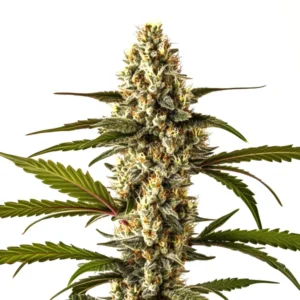
Lemon Haze Autoflower

|
THC | 15% - 17% (Medium) |

|
Type | Autoflowering |

|
Yield | Medium |

|
Phenotype | 30% Indica / 70% Sativa |
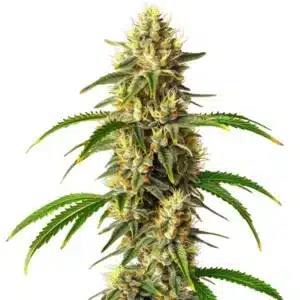
Critical Auto
|
|
THC | 10% - 14% (Low) |
|
|
Type | Autoflowering |
|
|
Yield | Low |
|
|
Phenotype | 70% Indica / 30% Sativa |
Among the top autoflower strains for poor soil conditions are a few standout varieties. These strains have been selected based on their ability to withstand nutrient deficiencies while still producing high-quality buds. With the right choice, you’ll enjoy a bountiful harvest without the stress of nutrient management.
Critical Autoflower: A Resilient Choice
Critical Autoflower from Blimburn Seeds is a prime example of a strain with high nutrient tolerance. This hardy plant is perfect for growers who face challenges with soil quality. Known for its robust nature, Critical Autoflower can withstand nutrient fluctuations better than many other strains. This resilience ensures that even first-time growers can achieve a successful harvest.
This strain is not only nutrient resilient but also offers a fast flowering time. Typically, you can expect a harvest in about 8-9 weeks. This quick turnaround makes it a favorite among growers looking to maximize yield in a short period. Additionally, Critical Autoflower is known for its potent effects, providing a relaxing and euphoric experience that is cherished by many.
Besides to its resilience, Critical Autoflower is remarkably easy to cultivate, making it a popular choice among beginners. Its ability to adapt to various growing environments means that it can thrive in different climates and conditions, further solidifying its place as one of the best autoflower strains for nutrient deficiencies. With its impressive genetic makeup, this strain promises a robust and rewarding growing experience.
The aromatic profile of Critical Autoflower is another aspect that makes it a standout among nutrient resilient autoflower marijuana strains. Its buds exude a rich, earthy scent with subtle notes of citrus, enhancing the overall sensory experience. This combination of strength, ease of growth, and enticing aroma makes Critical Autoflower a top choice for cultivators seeking both quality and quantity in their harvest.
Promos & Deals

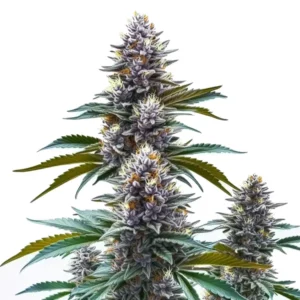
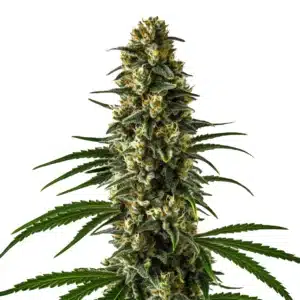

GG4 Autoflower: Strength and Stability
GG4 Autoflower by Blimburn Seeds is another fantastic choice for those seeking nutrient resilient autoflower marijuana strains. This strain is renowned for its ability to withstand poor soil conditions while maintaining excellent growth. Its genetic makeup allows it to flourish even when nutrients are scarce, making it a top pick for growers with less-than-ideal soil.
The GG Autoflower is not just about resilience; it also delivers a powerful punch. Known for its high THC content, this strain provides a potent, long-lasting high that is both relaxing and uplifting. It’s the perfect combination for those looking to unwind after a long day.
Beyond its impressive resistance to nutrient deficiencies, GG Autoflower stands out for its remarkable resin production. This feature is particularly attractive to growers seeking to produce high-quality concentrates. The strain’s sticky, resinous buds are a testament to its robust genetics, ensuring a bountiful harvest even in challenging conditions.
For those aiming to optimize their growing space, GG Autoflower offers another advantage: its compact size. Despite its modest stature, this strain packs a punch in terms of yield and potency, making it an excellent choice for indoor growers looking to maximize their limited space. Its versatility and resilience make it a staple among the best autoflower strains for nutrient deficiencies.
Lemon Haze Autoflower: Zesty and Hardy
Lemon Haze Autoflower from Blimburn Seeds combines robust growth with a delightful citrus aroma. This strain is particularly noteworthy for its adaptability to various nutrient levels. Even if your soil lacks essential nutrients, Lemon Haze Autoflower can still thrive and produce flavorful buds.
Growers appreciate this strain not only for its resilience but also for its invigorating effects. The high from Lemon Haze Autoflower is known to be energetic and euphoric, making it a popular choice for daytime use. Its unique flavor profile, with hints of lemon and spice, adds to its charm.
Lemon Haze Autoflower is celebrated not just for its resilience but also for its vibrant color and aroma. The buds are often adorned with a beautiful array of orange hairs and a frosty layer of trichomes, making them visually appealing. This aesthetic appeal, combined with its resilience, makes Lemon Haze Autoflower a favorite among growers seeking both beauty and robustness in their crop.
Additionally, this strain’s adaptability extends beyond nutrient deficiencies. Lemon Haze Autoflower is known to perform well in various climates, further solidifying its status as a versatile and reliable choice. Its capacity to thrive in different environmental conditions while still delivering exceptional quality makes it a standout among nutrient deficiency resistant autoflower cannabis strains.
Top Tips for Growing Autoflower Strains
When cultivating autoflower strains resistant to nutrient deficiencies, there are a few tips to keep in mind. First, ensure that your plants receive adequate water. Even though these strains are resilient, they still require proper hydration to thrive. Watering consistently will help your plants absorb the nutrients present in the soil more effectively.
Another important aspect is lighting. Autoflower strains generally require a consistent light cycle to maximize growth. Aim for at least 18 hours of light per day to encourage vigorous development. If you’re growing indoors, investing in quality LED lights can make a significant difference in your plant’s health and yield.
Temperature control is another crucial factor in cultivating successful autoflower strains. Maintaining a stable temperature range between 70-85°F (21-29°C) can promote healthy growth and prevent stress. Extreme temperature fluctuations can adversely affect the plant’s development, so it’s important to monitor and adjust as needed.
Besides to environmental controls, regular pruning can benefit autoflower strains. Removing lower leaves and non-productive branches can help improve air circulation and light penetration, leading to healthier plants and potentially higher yields. This practice is especially beneficial for autoflower strains with high nutrient tolerance, as it maximizes their inherent growth potential.

Choosing the Right Soil
While these strains are designed to handle nutrient deficiencies, starting with a well-balanced soil can set you up for success. Consider using soil that is specifically formulated for cannabis, as it will contain the right mix of nutrients to support growth. If your existing soil is poor, amending it with compost or organic fertilizers can improve nutrient availability.
Soil texture also plays a role in plant health. A loamy soil with good drainage is ideal, as it allows roots to access oxygen while preventing waterlogging. If your soil is too compact, consider adding perlite or vermiculite to enhance aeration and drainage. These small adjustments can make a big impact on your plant’s growth.
Organic matter is another valuable addition to your soil mix. Incorporating materials like worm castings or bat guano can enrich the soil with essential nutrients and beneficial microbes. These natural amendments not only enhance soil fertility but also promote a healthy root system, which is vital for autoflower strains resistant to nutrient deficiencies.
When preparing your soil, it’s also important to consider the balance of macronutrients and micronutrients. Ensuring your soil has an adequate supply of these elements can support the robust growth of your plants. Tailoring your soil amendments to the specific needs of nutrient deficiency resistant autoflower cannabis strains can lead to a more successful and abundant harvest.
Finally, regular monitoring of your soil’s pH level is crucial. Autoflower strains prefer a pH range of 6.0 to 7.0. Keeping your soil within this range ensures that your plants can absorb nutrients effectively, even in the face of deficiencies. Simple pH testing kits are widely available and easy to use, making this step a breeze for any grower.
FAQs about autoflower strains resistant to nutrient deficiencies
What makes autoflower strains resistant to nutrient deficiencies?
Autoflower strains resistant to nutrient deficiencies have genetics that allow them to adapt to varying soil conditions. These strains are typically bred to be hardy and resilient, capable of withstanding fluctuations in nutrient availability without compromising growth. This adaptability reduces the need for constant nutrient management, making them an ideal choice for growers of all skill levels.
Besides to their genetic resilience, these strains often have a faster growth cycle, ensuring that they mature quickly despite nutrient challenges. This quick turnaround minimizes the time plants are exposed to potentially adverse conditions, further enhancing their ability to thrive in suboptimal environments.
Another key factor contributing to their resilience is the development of strong root systems. Autoflower strains with high nutrient tolerance tend to establish extensive root networks that enable efficient nutrient uptake, even in deficient soils. This characteristic not only supports plant health but also enhances their capacity to produce high-quality buds.
The selective breeding process for these strains often involves crossbreeding with landrace varieties known for their durability. This genetic diversity provides a robust foundation, allowing autoflower strains to withstand nutrient deficiencies and other environmental stresses while maintaining impressive growth and potency.
Can I grow autoflower strains in poor soil conditions?
Yes, you can successfully grow autoflower strains in poor soil conditions. These strains are specifically engineered to handle lower nutrient levels, making them well-suited for less-than-ideal growing environments. However, it’s still important to provide basic care, such as adequate watering and proper lighting, to ensure your plants reach their full potential.
While autoflower strains can tolerate poor soil, starting with a balanced soil mix can significantly boost your chances of success. Consider amending your soil with organic matter or using a specialized cannabis soil to provide a better foundation for growth. These proactive steps can help maximize yield and improve the overall health of your plants.
To further enhance growth in poor soil conditions, consider utilizing beneficial microbes and fungi. These organisms can improve nutrient uptake and soil structure, offering additional support to your plants. Products like mycorrhizal fungi can establish symbiotic relationships with plant roots, promoting vigorous growth even in challenging environments.
Consistent monitoring and adjustments to your growing methods can also make a significant difference. By observing your plants closely and responding to their needs, you can ensure they thrive, even in suboptimal conditions. This proactive approach, combined with the inherent resilience of nutrient deficiency resistant autoflower cannabis, can lead to a successful and rewarding growing experience.
How do I know if my plants are experiencing nutrient deficiencies?
Common signs of nutrient deficiencies in cannabis plants include yellowing leaves, stunted growth, and poor bud development. If you notice these symptoms, consider testing your soil’s nutrient levels to identify any deficiencies. Once identified, you can take corrective measures, such as adjusting pH levels or adding specific nutrients, to address the issue.
Regularly monitoring your plants and soil can help catch deficiencies early, allowing you to intervene before they significantly impact your crop. Keeping a grow journal can also be beneficial, as it enables you to track changes and identify patterns that may indicate nutrient issues.
Besides to visual symptoms, certain deficiencies can be detected through soil testing. Many garden centers offer testing services that can provide detailed insights into your soil’s nutrient composition. Armed with this information, you can tailor your nutrient regimen to address specific deficiencies and support optimal plant growth.
Knowing the mobile and immobile nature of certain nutrients can also help in diagnosing deficiencies. Mobile nutrients, such as nitrogen, move easily within the plant, meaning deficiencies often appear in older leaves first. Immobile nutrients, like calcium, typically show deficiency symptoms in new growth. Recognizing these patterns can aid in accurate diagnosis and prompt treatment.
What are some common nutrient deficiencies in cannabis plants?
Nitrogen, phosphorus, and potassium deficiencies are among the most common in cannabis plants. Nitrogen deficiency often results in yellowing leaves, while a lack of phosphorus can cause dark, blotchy spots on leaves. Potassium deficiency typically manifests as brown edges or tips on leaves.
Other deficiencies to watch for include calcium, magnesium, and iron. Each deficiency presents with unique symptoms, so it’s crucial to familiarize yourself with these signs. Addressing deficiencies promptly can prevent more severe issues and ensure a healthy, productive crop.
Calcium deficiencies often present as distorted new growth, with leaves that may appear crinkled or curled. Magnesium deficiencies, on the other hand, are characterized by interveinal chlorosis, where the areas between leaf veins turn yellow while the veins remain green. Iron deficiencies typically start with yellowing of new leaves, with veins remaining darker green.
Regular nutrient supplementation and pH monitoring can help prevent these deficiencies from occurring. By maintaining a balanced nutrient regimen and ensuring the soil pH remains within the optimal range, you can support healthy, vigorous growth in your cannabis plants and mitigate the risk of nutrient-related challenges.
Are there specific nutrients I should focus on for autoflower strains?
While autoflower strains are resilient, providing a balanced nutrient mix can support their growth and enhance yield. Focus on a complete nutrient solution that includes nitrogen, phosphorus, and potassium, as well as essential micronutrients like calcium and magnesium. These elements are vital for healthy development and robust bud production.
It’s also important to adjust nutrient levels based on your plant’s growth stage. For example, seedlings require less nitrogen than plants in the vegetative stage. Tailoring your nutrient regimen to your plant’s needs can optimize growth and ensure a bountiful harvest.
During the flowering stage, phosphorus and potassium become particularly crucial. These nutrients support bud development and enhance the plant’s overall potency and yield. Consider using bloom-specific fertilizers that are rich in these elements to promote robust flowering in your autoflower strains.
Beyond macronutrients, pay attention to micronutrient supplementation as well. Elements like zinc, manganese, and boron, though required in smaller quantities, are essential for various physiological processes. Ensuring your plants receive a balanced supply of these nutrients can maximize their growth potential and resilience, especially in nutrient-deficient conditions.