Managing Allelopathy in Cannabis Gardens

When managing a cannabis garden, one often overlooked factor is allelopathy. This natural occurrence refers to the chemical interactions between plants, which can either enhance or inhibit growth. As a grower, knowing and managing allelopathy in cannabis gardens can be vital for healthy plant development.
Allelopathy can significantly impact your cannabis yields. Certain plants release biochemicals into the soil, which can affect the growth of neighboring plants. In cannabis cultivation, this means some plants may suffer from stunted growth or reduced yields if allelopathic interactions are not managed effectively.
Recommended Strains
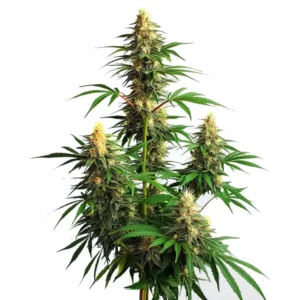
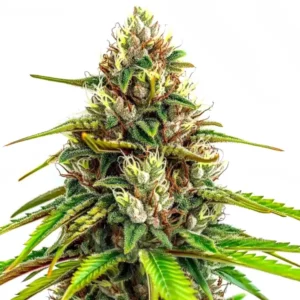
Amnesia Haze Auto

|
THC | 16% - 17% (Medium) |

|
Type | Autoflowering |

|
Yield | Low |

|
Phenotype | 25% Indica / 75% Sativa |
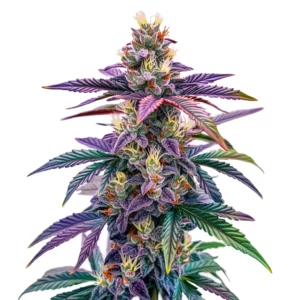
Blue Dream Autoflower
|
|
THC | 10% - 13% (Low) |
|
|
Type | Autoflowering |
|
|
Yield | Medium |
|
|
Phenotype | 30% Indica / 70% Sativa |
Here, we’ll discuss practical strategies for managing allelopathy in cannabis gardens, focusing on how different cannabis strains might respond. We’ll also recommend some top strains from Blimburn Seeds, like Amnesia Haze Autoflower, Blue Dream Autoflower, and Wedding Cake Autoflower, that can thrive in these environments.
Knowing allelopathy in cannabis
Allelopathy is a natural phenomenon where plants release chemicals known as allelochemicals. These chemicals can affect the growth, survival, and reproduction of other plants. In cannabis gardens, knowing these interactions is key to maximizing plant health and yield.
These allelochemicals can be released through root exudation, leaf litter decomposition, or volatilization. They can influence seed germination, root growth, and nutrient uptake. Learning to manage these effects is essential for both novice growers and seasoned cultivators.
Identifying allelopathic effects
Recognizing allelopathic effects in your cannabis garden is crucial. Common signs include stunted growth, discolored leaves, or unusual plant spacing. If you notice these symptoms in your cannabis plants, allelopathy could be a factor.
For instance, Amnesia Haze Autoflower is known for its robust growth. However, if planted near certain allelopathic plants, you might notice it struggling. Observing these signs early can help you take corrective measures.
Common allelopathic plants
Some common garden plants, such as black walnut and certain types of grasses, are known for their allelopathic properties. These plants release chemicals that can inhibit the growth of cannabis plants.
If you’re cultivating strains like Blue Dream Autoflower, it’s wise to keep them away from these allelopathic plants to ensure they reach their full potential.
Promos & Deals

Allelopathy solutions for cannabis cultivation
Managing allelopathy in cannabis gardens involves a combination of strategic planning and practical horticultural techniques. By using specific methods, you can minimize the negative impacts and promote a healthier growing environment.
Companion planting
Companion planting is an effective strategy to manage allelopathy. Selecting non-allelopathic companion plants that can coexist with cannabis helps to create a balanced ecosystem. This practice can enhance nutrient uptake and improve pest control.
For example, planting herbs like basil or marigold alongside Wedding Cake Autoflower can help reduce allelopathic effects, ensuring your cannabis plants thrive.
Soil management
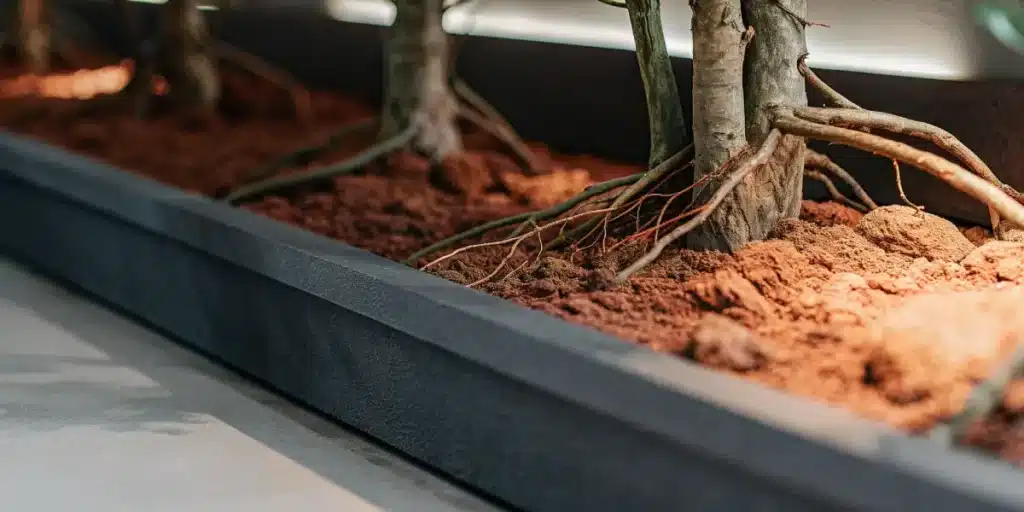
Improving soil health is another way to counteract allelopathic effects. Regularly rotating crops and using organic soil amendments can help neutralize allelochemicals.
Incorporating organic matter, such as compost, can enhance microbial activity in the soil, which in turn breaks down harmful allelochemicals. This practice is particularly beneficial for strains like Amnesia Haze Autoflower, which require nutrient-rich environments.
Strategies for successful cannabis growth
To achieve successful cannabis growth, knowing and managing allelopathy is just one piece of the puzzle. Implementing a comprehensive growing strategy will ensure your plants reach their full potential.
Choosing the right strains
Choosing the right cannabis strains is critical. Some strains are more resilient to allelopathic effects than others. Amnesia Haze Autoflower, for instance, is known for its adaptability and vigorous growth, making it an excellent choice for diverse growing conditions.
Similarly, Blue Dream Autoflower offers quick flowering times, which can help it avoid prolonged exposure to allelopathic plants, ensuring a successful harvest.
Monitoring plant health
Regular monitoring of plant health is essential. By keeping a close eye on your cannabis plants, you can quickly identify signs of allelopathy and take corrective action. Look out for changes in leaf color, growth rates, and overall plant vigor.
Implementing a routine check-up schedule can help catch problems early. For strains like Wedding Cake Autoflower, this means you’ll be able to enjoy its rich flavors and effects without compromise.
Irrigation and drainage
Proper irrigation and drainage play a significant role in managing allelopathy. Ensuring that your cannabis garden has adequate water flow can help dilute and wash away harmful allelochemicals.
For instance, using drip irrigation systems can provide consistent moisture to strains like Blue Dream Autoflower, preventing the buildup of detrimental compounds in the soil.
FAQs about Managing allelopathy in cannabis gardens
What is allelopathy?
Allelopathy refers to the chemical interactions between plants, where one plant releases biochemicals that can affect the growth and development of neighboring plants. These interactions can be either beneficial or harmful, depending on the specific plants involved.
In cannabis cultivation, knowing allelopathy is important because it can impact plant health and yield. Recognizing allelopathic interactions can help growers take steps to mitigate their negative effects and promote a healthier growing environment for strains like Amnesia Haze Autoflower or Blue Dream Autoflower.
How can I identify allelopathic effects in my cannabis garden?
Identifying allelopathic effects involves observing your plants for signs of stress, such as stunted growth, discolored leaves, and reduced yield. These symptoms can indicate that your plants are experiencing negative chemical interactions with neighboring species.
Monitoring your garden regularly and being aware of the plants in your vicinity can help you detect allelopathic effects early. Once identified, you can take steps to manage these interactions and support the health of your cannabis plants, especially resilient ones like Wedding Cake Autoflower.
What are some allelopathy solutions for cannabis cultivation?
There are several strategies to manage allelopathy in cannabis gardens. Companion planting involves growing non-allelopathic plants alongside your cannabis to create a balanced ecosystem. Soil management techniques, such as crop rotation and organic amendments, can also help neutralize harmful allelochemicals.
Additionally, choosing robust and adaptable cannabis strains—such as Amnesia Haze Autoflower, Blue Dream Autoflower, and Wedding Cake Autoflower—can help reduce the impact of allelopathic interactions and ensure a healthy, productive harvest.
Can certain cannabis strains resist allelopathic effects better than others?
Yes, some cannabis strains are naturally more resistant to allelopathic effects due to their genetics and adaptability. Amnesia Haze Autoflower is known for its vigorous root system, while Blue Dream Autoflower and Wedding Cake Autoflower are prized for their resilience and stable growth under diverse conditions.
Choosing hardy, autoflowering strains helps growers maintain productivity even when allelopathic plants are nearby.
Is allelopathy always harmful in cannabis gardens?
Allelopathy isn’t always harmful. In some cases, plants release beneficial compounds that enhance the growth of nearby species. However, in cannabis gardens, negative allelopathic effects are more common and can hinder plant development and yield.
By selecting resistant strains like Amnesia Haze Autoflower, maintaining soil health, and applying companion planting strategies, growers can minimize these issues and create a thriving environment for their cannabis plants.