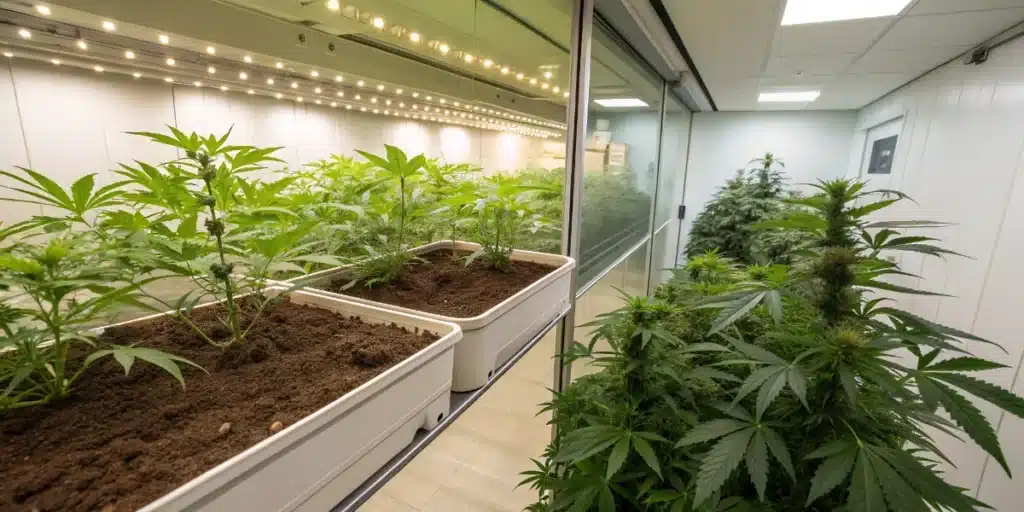
Hydroponics vs Soil Growing: Which is Better?

Growing Methods: Neither hydroponics nor soil growing is universally superior; it relies on your specific goals and environment. Hydroponics provides rapid growth and higher yields, making it suitable for indoor environments. Conversely, soil growing is more forgiving and cost-effective, ideal for beginners and outdoor gardens. Hydroponics can use up to 90% less water than traditional soil methods.
Choosing between hydroponics and soil growing involves evaluating factors like terpene profiles and flowering times. Hydroponics can enhance terpene development, offering unique flavor profiles, while soil-grown plants often have longer flowering periods. For instance, hydroponic systems can optimize conditions to reduce flowering time by up to 20%, making them appealing for growers seeking efficiency.
Recommended Strains

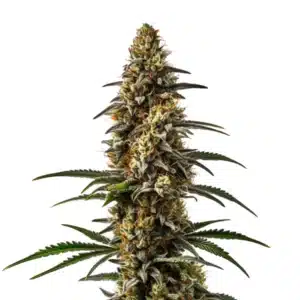
Acapulco Gold Autoflower

|
THC | 20% - 24% (High) |

|
Type | Autoflowering |

|
Yield | Medium |

|
Phenotype | 30% Indica / 70% Sativa |
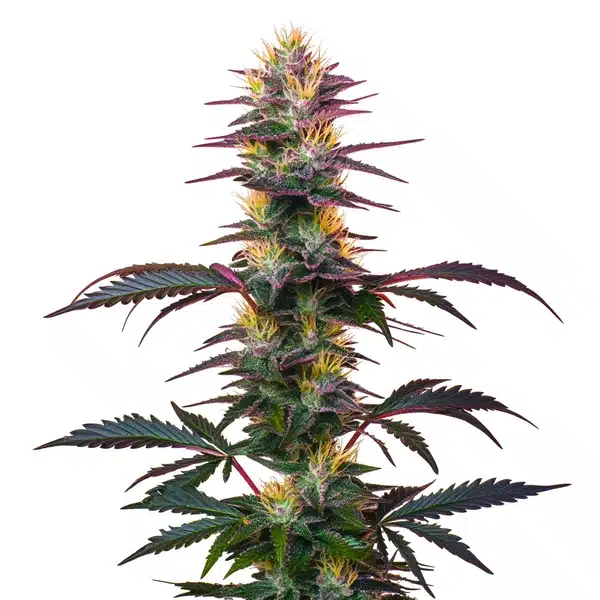
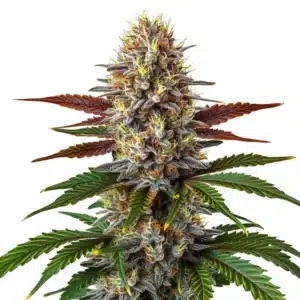
BlackBerry Auto
|
|
THC | 17% - 19% (Medium) |
|
|
Type | Autoflowering |
|
|
Yield | Medium |
|
|
Phenotype | 70% Indica / 30% Sativa |
Hydroponics vs Soil Growing: A Deep Dive
Basics of Hydroponics
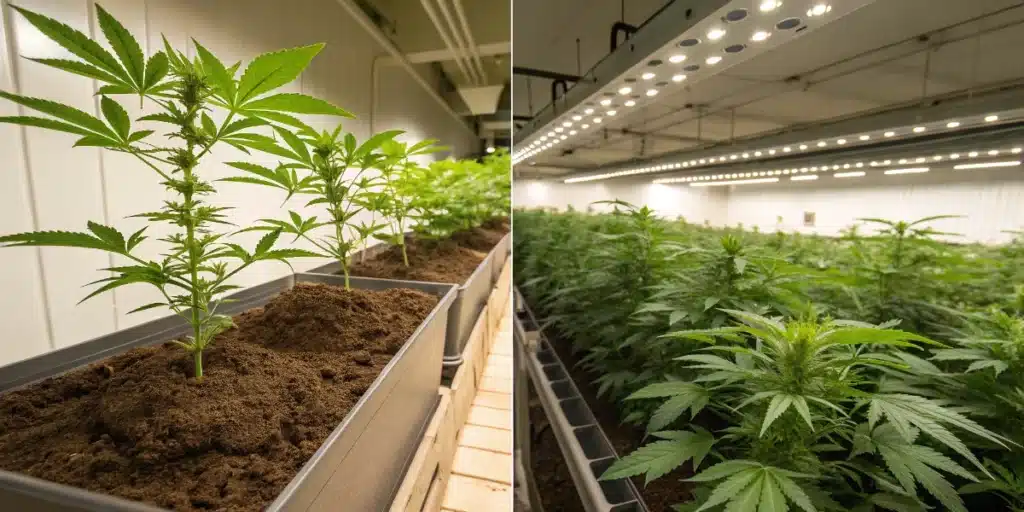
Hydroponics is a method of growing plants without soil, using nutrient-rich water solutions. This technique allows for precise control over the plant’s environment, including pH levels and nutrient concentrations. In hydroponics, plants typically grow faster due to optimized nutrient delivery, with growth rates increasing by 30% compared to traditional soil methods.
Hydroponic systems can vary, including deep water culture, nutrient film technique, and aeroponics. These systems utilize a range of technologies to deliver nutrients directly to the roots, often resulting in higher yields. For example, yields can reach up to 2 oz/ft² (600 g/m²) under ideal conditions.
Basics of Soil Growing
Soil growing is the traditional method of cultivating plants, relying on natural soil to provide nutrients. This method is more forgiving, making it suitable for beginners. Soil acts as a buffer against pH fluctuations, which can be crucial for maintaining plant health. Soil-grown plants often have a more robust flavor profile due to the complex interactions between soil microbes and plant roots.
In soil growing, the nutrient availability is less controlled but can be enhanced with organic amendments. Plants grown in soil typically have longer flowering times, ranging from 8 to 10 weeks, depending on the strain and environmental conditions.
Promos & Deals

Hydroponics vs Soil Growing: Pros and Cons
Advantages of Hydroponics
Hydroponics offers several advantages, including faster growth rates and higher yields. The controlled environment allows for year-round cultivation, independent of external weather conditions. This can lead to a 20% increase in harvest frequency compared to soil growing. Additionally, hydroponics is more water-efficient, using up to 90% less water.
Another benefit is the reduction in pest and disease issues, as the absence of soil eliminates many common problems. This results in healthier plants and often reduces the need for chemical pesticides. Hydroponics also allows for precise nutrient management, optimizing plant health and growth.
Advantages of Soil Growing
Soil growing provides a natural environment that can enhance the flavor and aroma of the final product. The complex interactions between soil microbes and plant roots contribute to a richer terpene profile. Soil is also more forgiving, allowing for greater flexibility in nutrient management.
For outdoor growers, soil growing is cost-effective, as it requires fewer initial investments in equipment. The natural buffering capacity of soil helps maintain stable pH levels, reducing the risk of nutrient lockout.
Disadvantages of Hydroponics
Despite its benefits, hydroponics has several disadvantages. Initial setup costs can be high, requiring investment in equipment and technology. Systems are also more complex, requiring careful monitoring and maintenance. A power outage or equipment failure can lead to rapid plant decline.
Here are 10 potential disadvantages to consider when choosing hydroponics: complexity, cost, equipment dependency, risk of disease spread, potential for nutrient imbalances, need for technical knowledge, limited strain adaptability, water quality dependency, environmental impact, and space requirements.
Disadvantages of Soil Growing
Soil growing can be less efficient in terms of water use and nutrient delivery. The variability in soil quality can lead to inconsistent results, requiring more effort to manage nutrient levels. Soil is also more susceptible to pests and diseases, which can impact plant health.
Additionally, soil growing typically requires more space and time, as plants often have longer flowering periods. This can be a disadvantage for growers looking to maximize yield in limited spaces.
Which is Better for Indoor Growing?
Space and Resource Considerations
When considering indoor growing, hydroponics often emerges as the preferred method due to its space efficiency and resource management. Hydroponic systems can be stacked vertically, optimizing available space and increasing yield per square foot. This is particularly advantageous in urban settings where space is limited.
Hydroponics also allows for precise control over environmental conditions, including humidity and temperature, which is crucial for indoor cultivation. This control can lead to faster growth cycles and higher yields, making it an attractive option for indoor growers.
| Feature | Blackberry Auto | Gelato | Acapulco Gold Auto |
|---|---|---|---|
| THC Content | 17-19% | 27% | 20-24% |
| Dominant Terpene | Myrcene | Caryophyllene | Limonene |
| Yield Indoor | 1.47 oz/ft² | 450 g/m² | 1.64 oz/ft² | 500 g/m² | 1.31 – 1.47 oz/ft² | 400 – 450 g/m² |
| Flowering Time | 8-10 weeks | 8-10 weeks | 8-10 weeks |
| Flavor Profile | Berry, Kush | Berry, Citrus, Sweet | Earthy, Pine |
Nutritional Differences: Hydroponics vs Soil
Nutrient Uptake and Availability
Nutritional uptake can vary significantly between hydroponics and soil. In hydroponics, nutrients are directly available in the water solution, allowing for precise control over the nutrient profile. This can lead to faster growth rates and higher yields, as plants can absorb nutrients more efficiently.
In soil, nutrient availability depends on the soil composition and microbial activity. While this can lead to a more complex flavor profile, it may also result in slower growth rates if nutrient levels are not carefully managed. Soil amendments, such as compost or organic fertilizers, can enhance nutrient availability.
Taste and Quality: Does It Matter?
Flavor Profiles and Terpene Development
The taste of produce from hydroponics versus soil can differ due to the varying nutrient delivery methods. Hydroponic systems can enhance terpene development, resulting in unique flavor profiles. For example, hydroponically grown plants may have a more pronounced citrus or pine aroma due to increased limonene production.
Soil-grown plants often have a richer, more complex flavor profile, attributed to the diverse microbial interactions in the soil. This can result in earthy or spicy undertones, enhancing the overall sensory experience of the final product.
Professional Insights: Hydroponics vs Soil Growing
Comparative Growth Insights
Experienced growers report that hydroponics can lead to faster growth rates and higher yields. For instance, hydroponic tomatoes are known to grow 30% faster and produce 20% more fruit compared to their soil-grown counterparts.
These observations highlight the potential of hydroponics to optimize plant growth and increase productivity. However, the choice between hydroponics and soil growing ultimately depends on individual goals and preferences, as each method offers unique advantages and challenges.
Professional Tips for Optimal Growth
- Maintain 65-75°F (18-24°C) for hydroponic systems to optimize nutrient uptake. Temperatures outside this range can lead to nutrient lockout.
- Use a digital pH meter to keep hydroponic solutions between 5.5 and 6.5. pH imbalances can reduce nutrient availability.
- Ensure soil pH remains between 6.0 and 7.0 for optimal nutrient absorption. Soil amendments can help adjust pH levels.
- Monitor humidity levels at 50-60% during vegetative growth to prevent mold and mildew in both systems.
- Rotate crops in soil to maintain soil health and prevent nutrient depletion.
- Regularly clean hydroponic systems to prevent algae buildup, which can compete with plants for nutrients.
FAQs
Do plants grow better in hydroponics or soil?
Plants can grow better in hydroponics due to faster nutrient uptake, resulting in up to 30% faster growth rates. However, soil-grown plants often develop richer flavors due to complex soil interactions. The choice depends on your goals, such as yield versus flavor, and the growing environment.
What are 5 disadvantages of hydroponics?
Five disadvantages of hydroponics include high initial setup costs, complexity in system management, dependency on equipment, risk of rapid plant decline during power outages, and potential for nutrient imbalances. These challenges require careful monitoring and technical expertise to manage effectively.
Why is soil not used in hydroponics?
Soil is not used in hydroponics because the method relies on nutrient-rich water solutions to deliver nutrients directly to plant roots. This allows for precise control of nutrient levels, leading to faster growth and higher yields. Soil would impede this nutrient delivery efficiency.
Is living soil better than hydroponics?
Living soil can be better than hydroponics for developing complex flavors and sustainable practices. It supports microbial life that enhances nutrient cycling and plant health. However, hydroponics offers faster growth and higher yields, making it preferable for those prioritizing productivity.
How does hydroponics impact water usage?
Hydroponics significantly reduces water usage, using up to 90% less water than traditional soil growing. This efficiency is achieved by recirculating water within the system, minimizing waste. It’s an ideal method for regions with limited water resources or for growers aiming to conserve water.