Expert Guide: Using Blimburn Seeds Strains with Proven Testing

When you’re aiming for top-notch cannabis cultivation, using Blimburn Seeds strains with tissue and sap testing methods can be your golden ticket. These techniques help optimize plant health, ensuring you get the best yield and quality. Whether you’re a novice or a seasoned grower, knowing how to implement these testing methods can enhance your growing game significantly.
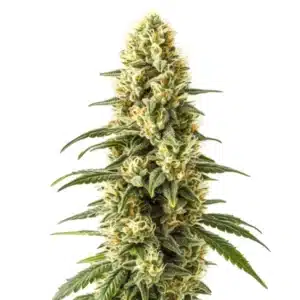
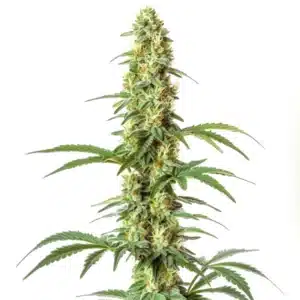
One standout strain from Blimburn Seeds is the legendary GG4. Known for its robust growth and high THC levels, combining it with tissue and sap testing can elevate its cultivation to new heights. By analyzing the plant’s tissue, you can detect nutrient imbalances early, while sap testing provides real-time insights into nutrient uptake.
Recommended Strains

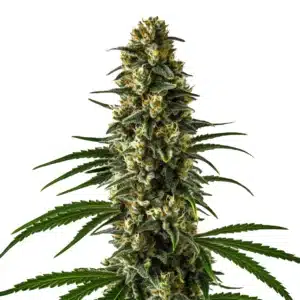
GG4

|
THC | 27% (High) |

|
Type | Feminized |

|
Yield | High |

|
Phenotype | 40% Indica / 60% Sativa |
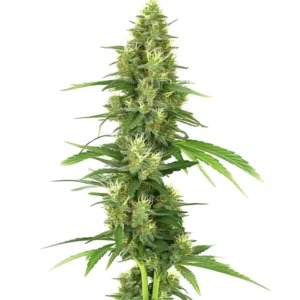
Girl Scout Cookies
|
|
THC | 18% - 25% (Medium) |
|
|
Type | Feminized |
|
|
Yield | High |
|
|
Phenotype | 60% Indica / 40% Sativa |
Another popular choice, Girl Scout Cookies, thrives when you apply sap testing techniques. This helps in fine-tuning the nutrients it receives, ensuring the plant reaches its full potential. The ability to make informed adjustments based on testing results is a game-changer for any grower.
Why Tissue Testing is Essential
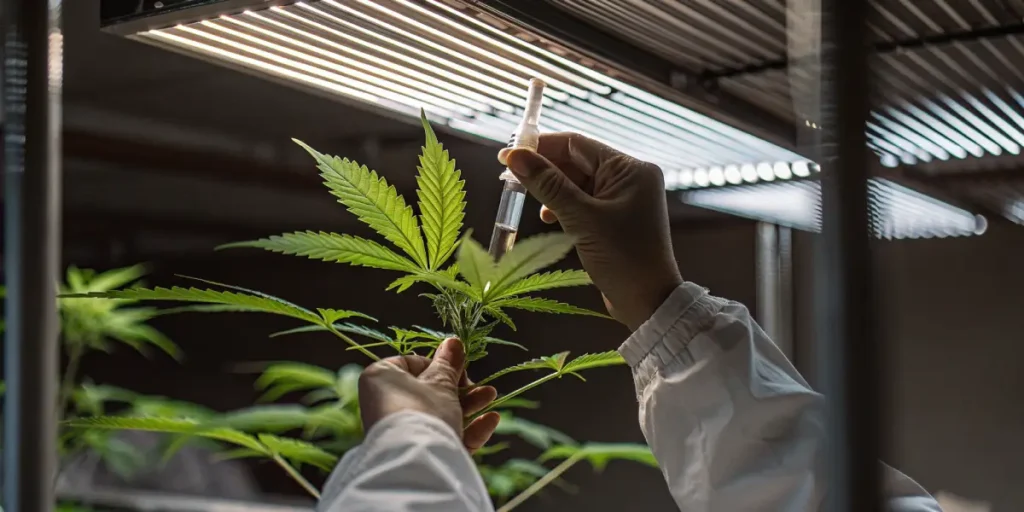
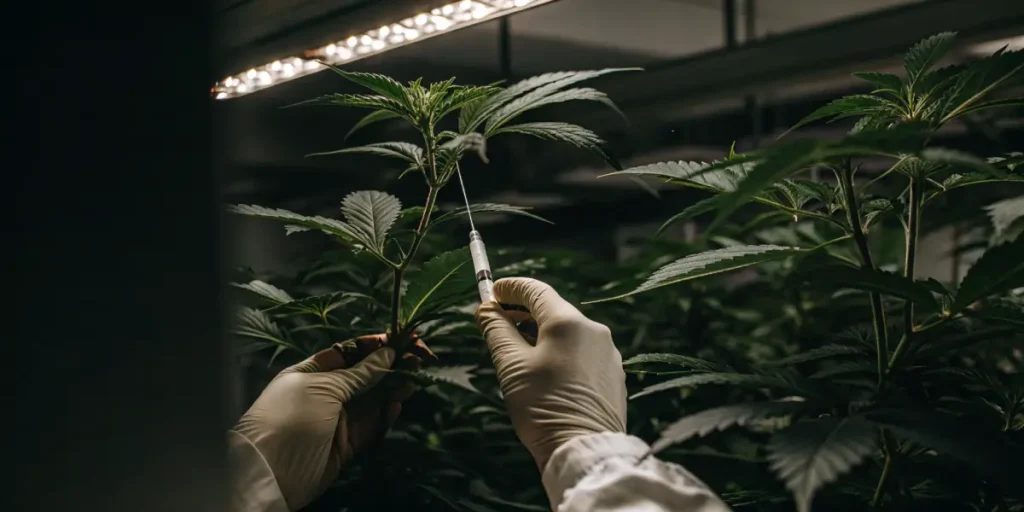
Tissue testing is like a health check-up for your plants. It involves analyzing plant tissue to understand what nutrients your plants are absorbing. This method is crucial for identifying deficiencies or toxicities that can hinder growth. For Blimburn Seeds strain tissue testing methods, it’s about precision and effectiveness.
For instance, when using tissue testing with Bruce Banner #3, you can pinpoint exactly what nutrients the plant lacks. This allows for precise fertilizer adjustments, ensuring that the plant’s growth trajectory is not disrupted. Having the right balance of nutrients can help plants like Bruce Banner #3 achieve their full potential.
Using Blimburn Seeds strains with tissue and sap testing methods also ensures that you are not wasting resources. By knowing precisely what each plant requires, growers can avoid over-fertilizing, which can lead to nutrient lockout or toxicity. This targeted approach not only enhances plant health but also promotes environmental sustainability by minimizing nutrient runoff.
Furthermore, the benefits of Blimburn cannabis strains tissue test extend to improving overall plant resilience. Healthy, well-nourished plants are better equipped to resist pests and diseases, leading to a more robust harvest. By integrating these testing methods into your cultivation routine, you are investing in the long-term success of your growing operation.
Promos & Deals
Sap Testing Techniques: A Deeper Dive
Sap testing is more immediate than tissue testing. It offers insights into nutrient levels as they are being absorbed by the plant. This real-time data is invaluable for making quick adjustments. Using Blimburn Seeds strains with tissue and sap testing methods means you’re not shooting in the dark.
With sap testing techniques for Blimburn Seeds, detecting issues like potassium or nitrogen deficiencies becomes straightforward. This proactive approach means you can adjust nutrient feeding schedules before any visible signs of deficiency appear. It’s about staying ahead of the curve.
Optimizing growth with Blimburn Seeds sap analysis is particularly advantageous during critical growth phases. By ensuring that nutrient levels are optimal during flowering, for example, you can enhance bud development and potency. This data-driven approach supports the plant’s natural processes, leading to a more bountiful and high-quality harvest.
Incorporating sap testing techniques for Blimburn Seeds into your routine also means fostering a more dynamic cultivation environment. By continuously adapting to the plant’s needs, growers can maintain a harmonious balance between nutrient supply and demand. This adaptability is key to achieving consistent success with Blimburn Seeds strains.
Practical Tips for Blimburn Seeds Growers
Combining tissue and sap testing offers a comprehensive picture of plant health. Here’s how you can make the most of these methods. Start by setting a regular testing schedule. Consistent testing allows you to track nutrient levels over time, providing a clear picture of how your plants are progressing.
Use the data to tailor your nutrient program. If testing reveals a calcium deficiency in your Girl Scout Cookies crop, adjust your feeding regimen accordingly. This proactive approach minimizes the risk of nutrient lockout or toxicity, promoting healthier plants.
- Regularly test during key growth stages, especially during flowering and fruiting.
- Adjust nutrient solutions based on test results to maintain optimal plant health.
- Keep records of all test results and adjustments for future reference.
Also, consider environmental factors. While nutrient levels are crucial, factors like light, humidity, and temperature can also impact nutrient uptake. By maintaining optimal growing conditions, you enhance the effectiveness of your nutrient management strategy.
Another essential tip is to engage in continuous learning. As you gain more experience with testing methods and Blimburn Seeds strains, you’ll develop a deeper knowing of your plants’ unique needs. This knowledge will empower you to make more informed decisions, maximizing the potential of each cultivation cycle.
Finally, don’t underestimate the value of collaboration. Sharing insights and experiences with fellow growers can provide new perspectives and strategies for optimizing your nutrient management approach. By building a community around Blimburn Seeds strain tissue testing methods, growers can collectively enhance their cultivation practices.
FAQs about Using Blimburn Seeds strains with tissue and sap testing methods
What are the benefits of using Blimburn Seeds strains with tissue testing methods?
Using Blimburn Seeds strains with tissue testing methods helps in identifying nutrient imbalances before they become problematic. This proactive approach allows growers to make informed decisions about nutrient management, leading to healthier plants and better yields. It also helps in avoiding nutrient-related issues that could otherwise stifle plant growth.
For instance, if your Bruce Banner #3 plants are not performing as expected, tissue testing can pinpoint whether they need more calcium or magnesium. This means you can address issues before they manifest as stunted growth or poor bud development, ultimately enhancing yield and quality.
By leveraging Blimburn cannabis strains tissue test benefits, growers can also improve the overall quality of their harvest. Accurate nutrient management results in more flavorful and potent buds, which are highly sought after in the market. This improvement in quality can translate to higher customer satisfaction and increased demand for your products.
Additionally, implementing these testing methods can lead to cost savings. By only applying the necessary nutrients, growers can reduce waste and lower the overall cost of cultivation. This efficiency not only benefits the grower’s bottom line but also contributes to more sustainable agricultural practices.
How does sap testing enhance Blimburn strain growth?
Sap testing provides real-time insights into the nutrients your plants are currently absorbing. This immediate data is crucial for making swift adjustments to your nutrient feeding regimen. For Blimburn strain growth enhancement via sap testing, the ability to react quickly to nutrient deficiencies or toxicities is invaluable.
For example, if sap testing of a GG4 strain indicates a nitrogen deficiency, you can increase nitrogen levels in the feed before the plant exhibits any stress symptoms. This ensures that the growth of the plant remains uninterrupted, promoting maximum bud production and potency.
Moreover, optimizing growth with Blimburn Seeds sap analysis allows for a more precise approach to nutrient management. By knowing the specific needs of each strain at different growth stages, growers can tailor their feeding strategies to maximize efficiency and effectiveness. This precision leads to healthier plants and higher yields.
Besides, Blimburn strain growth enhancement via sap testing supports a more resilient cultivation environment. By continuously monitoring and adjusting nutrient levels, growers can prevent many common issues before they arise, such as nutrient lockout or toxicity. This proactive management results in a more stable and productive growing operation.
What is the ideal frequency for testing Blimburn Seeds strains?
Testing frequency can vary depending on the growth stage and specific strain requirements. However, a good rule of thumb is to conduct sap and tissue tests at least once every two weeks. More frequent testing may be necessary during critical growth phases such as flowering.
Regular testing ensures that any nutrient imbalances are caught early, allowing you to make timely adjustments. For strains like Girl Scout Cookies, this can mean the difference between an average harvest and an exceptional one. Keeping tabs on nutrient levels helps maintain plant health and optimize yield.
Establishing a consistent testing routine is crucial for maximizing the potential of Blimburn Seeds strains. By adhering to a regular schedule, growers can gather valuable data that informs future cultivation decisions. This systematic approach enhances the ability to predict plant needs and respond proactively.
Additionally, using Blimburn Seeds strains with tissue and sap testing methods at regular intervals allows for the early detection of stress factors that might not be immediately visible. This foresight is key to maintaining the overall health and vigor of your plants throughout their lifecycle, ensuring a successful harvest.
Can I use tissue and sap testing for all Blimburn Seeds strains?
Yes, tissue and sap testing methods can be applied to all Blimburn Seeds strains. These methods are versatile and beneficial across different genetic profiles, helping to optimize nutrient management and plant health regardless of the specific strain.
Whether you’re growing GG4, Bruce Banner #3, or Girl Scout Cookies, these testing methods provide valuable insights. They allow for a tailored approach to nutrient management, ensuring each plant receives exactly what it needs for optimal growth and yield.
Using Blimburn Seeds strains with tissue and sap testing methods ensures a versatile cultivation strategy that adapts to various environmental conditions and genetic traits. This adaptability is key to unlocking the full potential of each strain, regardless of its unique growth requirements.
Furthermore, the integration of these testing methods across different Blimburn Seeds strains promotes a deeper knowing of plant physiology. By consistently applying these techniques, growers can develop a refined approach to cultivation that enhances both the yield and quality of their harvest.
Are there any common mistakes to avoid when using these testing methods?
A common mistake is not conducting tests frequently enough. Infrequent testing can result in missed opportunities to correct nutrient imbalances early on. To avoid this, establish a regular testing schedule and stick to it, especially during key growth phases.
Another mistake is not adjusting nutrient feeds based on test results. It’s essential to use the data from tissue and sap tests to guide nutrient management decisions actively. Ignoring test results or failing to adjust feeding accordingly can lead to suboptimal plant health and reduced yields.
Additionally, overlooking environmental factors can undermine the effectiveness of testing methods. Temperature, humidity, and light conditions can all influence nutrient uptake, so it’s important to maintain optimal growing conditions alongside regular testing.
Finally, failing to document test results and adjustments can hinder long-term improvement. Keeping detailed records allows you to track progress over time and refine your strategies based on accumulated knowledge. This documentation is invaluable for optimizing growth with Blimburn Seeds sap analysis and tissue testing.