Expert Guide: Choosing Cannabis Seeds for Outdoor Grows Safely

Choosing cannabis seeds for outdoor grows: soil testing and contamination considerations is crucial for both first-time buyers and seasoned growers. The success of your cannabis cultivation depends on several factors, starting with the choice of seeds and the condition of your soil. Each seed type reacts differently to various soil conditions, making it essential to choose wisely.
When selecting seeds, consider the specific environment where you plan to cultivate. Cannabis seeds have different needs based on soil types. For instance, clay soil, known for its density and moisture retention, requires seeds that can thrive in such conditions. Blimburn Seeds offers strains that are well-suited for diverse soil environments, ensuring robust growth.
Recommended Strains

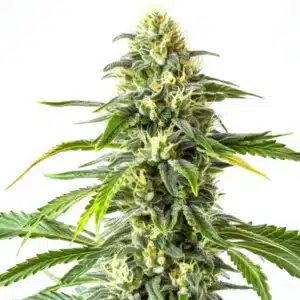
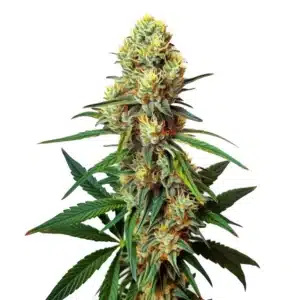
Blue Dream

|
THC | 17% - 24% (High) |

|
Type | Feminized |

|
Yield | High |

|
Phenotype | 50% Indica / 50% Sativa |
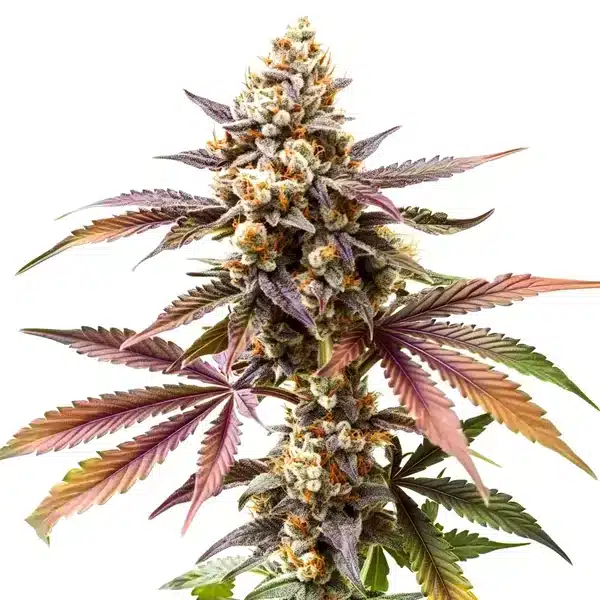
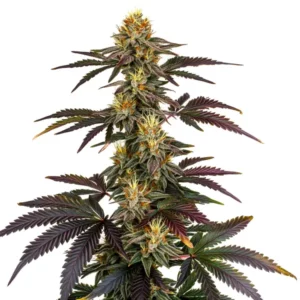
GG4 x Z OG
|
|
THC | 20% - 24% (High) |
|
|
Type | Feminized |
|
|
Yield | High |
|
|
Phenotype | 60% Indica / 40% Sativa |
Knowing your soil’s nutrient content and potential contaminants is vital. Soil testing helps you determine the best cannabis seeds for outdoor growing soil types. This step is not only about growth optimization but also about ensuring safety and compliance with agricultural standards.
Soil Testing for Outdoor Cannabis Grows
Testing your soil is a fundamental step in choosing cannabis seeds for outdoor grows: soil testing and contamination considerations. It gives you insight into the nutritional balance and potential contaminants present in your soil. This knowledge helps make informed decisions about seed selection and soil amendments.
Outdoor cannabis soil contamination testing methods involve checking for heavy metals, pesticides, and other pollutants. These can affect plant health and yield. Regular soil testing can prevent future issues and improve the overall quality of your grow. It’s a small investment that pays off in healthier plants and better production.
Soil testing is also beneficial in identifying specific nutrient deficiencies that might not be easily noticeable. By knowing these deficiencies, you can supplement your soil with the necessary nutrients, ensuring your cannabis plants receive what they need for optimal growth. These tests can also reveal the presence of beneficial microorganisms that help in nutrient uptake, enhancing plant health.
Additionally, soil testing helps in monitoring changes over time. By conducting tests at different stages of the growing season, you can track how your soil’s composition evolves and adjust your growing techniques accordingly. This proactive approach ensures that your plants are always in the best possible environment, maximizing their growth potential.
Methods for Soil Testing
Soil testing can be done through various methods, including DIY kits and professional laboratory analysis. DIY kits are a cost-effective way for small-scale growers to get basic information about soil pH and nutrient levels. These kits are easy to use and provide quick results.
For more detailed analysis, consider using a professional lab service. These services offer comprehensive soil testing, including the detection of heavy metals and other contaminants. With precise data, you can tailor your soil amendments to better suit your chosen cannabis seeds.
DIY kits are particularly useful for routine checks, allowing growers to frequently monitor soil conditions without the need for extensive resources. This ongoing monitoring can alert you to any sudden changes in soil quality, enabling you to take corrective measures swiftly. They are a convenient tool for maintaining consistent soil health.
Professional laboratory analysis, on the other hand, provides an in-depth knowing of your soil’s composition. This method can uncover hidden issues that might be overlooked with simpler testing kits. By leveraging the detailed insights from these lab tests, growers can implement precise interventions that address specific soil challenges, ensuring that their cannabis plants are given the best possible growing conditions.
Promos & Deals
Choosing Seeds Based on Soil Type
Different cannabis strains thrive in different soil types. Choosing outdoor cannabis seeds for clay soil, for example, requires knowing the strain’s adaptability to dense soil conditions. Clay retains water, which can either benefit plants by maintaining moisture or harm them due to poor drainage.
Strains like Blue Dream from Blimburn Seeds are resilient and can adapt to various soil types, including clay. Their robust nature makes them a favorite among growers dealing with challenging soil conditions. These seeds are ideal for those looking to maximize their yield in less-than-ideal soils.
When choosing cannabis seeds for outdoor grows, knowing the interaction between soil type and seed genetics is crucial. Each strain has unique characteristics that make it more or less suitable for certain soil environments. For example, sandy soils require seeds that can withstand rapid drainage and nutrient leaching, ensuring the plants remain hydrated and nourished.
Moreover, the choice of seeds can influence how well they cope with soil amendments. Some strains perform better with organic amendments, which can improve soil structure and nutrient availability. By aligning seed selection with soil type and potential amendments, growers can create a highly productive outdoor cannabis growing environment that supports robust plant health and increased yields.
Adapting to Soil Challenges
When dealing with sandy soil, which drains quickly, choosing seeds that can handle lower moisture levels is crucial. This type of soil benefits from strains that can withstand drought-like conditions, ensuring they receive adequate hydration despite the quick drainage.
Conversely, loamy soil, a blend of sand, silt, and clay, is often considered ideal for cannabis growth. Its balanced texture provides excellent drainage while holding nutrients well. Strains like Amnesia Haze from Blimburn Seeds thrive in such fertile conditions, taking full advantage of the nutrient-rich environment.
In instances where soil is particularly challenging, such as compacted clay or overly alkaline conditions, specific soil amendments can help. Adding organic matter, such as compost or well-rotted manure, can enhance soil aeration and nutrient content. This adjustment, combined with selecting the right seed strains, can significantly boost plant resilience and yield.
Another strategy is to employ cover cropping techniques that improve soil health. By planting cover crops, you can increase organic matter and improve soil structure, creating a more favorable environment for your cannabis plants. This sustainable approach not only benefits the current crop but also enhances soil fertility for future growing cycles, making it an invaluable tool for long-term cultivation success.
Addressing Soil Contamination
Cannabis seed selection for contaminated soil cleanup is crucial in areas with known pollutants. Some cannabis strains are particularly effective at phytoremediation, a process where plants absorb contaminants, reducing soil toxicity. This is an innovative way to improve soil health over time.
Choosing the right strains for this task can be a game-changer. Strains specifically bred for resilience can thrive even in challenging environments, helping cleanse the soil while providing a viable crop. This dual benefit makes it a popular choice among environmentally conscious growers.
The process of phytoremediation not only enhances soil quality but also contributes to environmental restoration. Cannabis plants used in this manner can sequester pollutants, gradually detoxifying the land and making it suitable for future agricultural use. This approach aligns with sustainable agriculture practices, promoting ecosystem recovery.
Furthermore, utilizing cannabis for soil remediation can be a cost-effective solution compared to traditional soil cleanup methods. By integrating this technique into your cultivation strategy, you can address contamination issues efficiently. It also provides the added benefit of producing a crop that can be commercially viable, presenting a win-win scenario for growers seeking both environmental and economic returns.
Practical Steps for Contaminated Soil
To effectively handle contaminated soil, start with a detailed soil analysis to identify the specific contaminants present. Once identified, selecting strains known for their hardiness and ability to absorb certain toxins is key. This strategic approach helps in gradually detoxifying the soil.
Regular monitoring and adjusting your approach based on plant health and soil test results are essential. This dynamic process ensures that your cannabis plants contribute to soil health while maintaining their growth potential. Over time, with the right interventions, even heavily contaminated soils can become viable growing grounds.
Incorporating organic amendments can also support the phytoremediation process. Organic matter can enhance microbial activity in the soil, aiding in the breakdown of pollutants and supporting plant health. This synergistic approach can accelerate soil recovery, making it a vital component of any remediation strategy.
Additionally, adopting a rotational planting strategy with different phytoremediation strains can maximize soil detoxification. By alternating between various cannabis strains, you can target a wider range of contaminants, enhancing the overall effectiveness of the cleanup process. This method ensures that your efforts in soil remediation are comprehensive and sustainable, paving the way for future agricultural success.

FAQs about choosing cannabis seeds for outdoor grows: soil testing and contamination considerations
What are the best cannabis seeds for outdoor growing soil types?
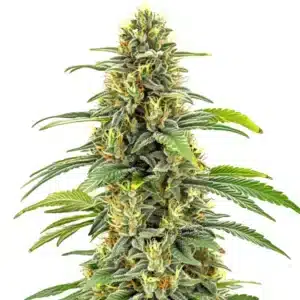
The best seeds depend on your specific soil conditions. For loamy soil, strains like Cafe Racer HMC Edition from Blimburn Seeds thrive due to their adaptability to nutrient-rich environments. In contrast, clay soils benefit from strains like Blue Dream that can handle moisture retention.
Sandy soils, which drain quickly, require drought-resistant strains. Finding the right match between seed and soil type ensures that your plants have the best chance of thriving. Always consider the natural characteristics of your soil when making your selection.
How can I test for outdoor cannabis soil contamination?
Outdoor cannabis soil contamination testing methods include using DIY kits for basic assessments and laboratory services for more detailed analysis. DIY kits provide information on pH and basic nutrient levels, which is helpful for small-scale growers.
For a comprehensive view, professional labs can identify contaminants like heavy metals and pesticides. This detailed information allows you to make informed decisions about seed selection and soil amendments, vital for healthy plant growth.
What factors should I consider when choosing outdoor cannabis seeds for clay soil?
When choosing seeds for clay soil, consider the strain’s ability to handle dense, moisture-retentive conditions. Clay can impede drainage, so opting for robust strains like Gorilla Z OG from Blimburn Seeds can lead to better outcomes.
Incorporating organic matter into clay soil can improve its structure, helping roots breathe and absorb nutrients more effectively. This adjustment, coupled with the right seed choice, can significantly enhance growth potential.
Can cannabis help with soil contamination cleanup?
Yes, certain cannabis strains are effective in phytoremediation, absorbing soil contaminants and reducing toxicity over time. This process not only cleans the soil but also allows for the cultivation of viable crops, making it a win-win strategy.
Strains bred for resilience can thrive in contaminated soils, aiding in soil health improvement. This approach is particularly beneficial in areas with chronic soil pollution, providing a sustainable solution for land restoration.
How do I perform soil nutrient testing for outdoor cannabis growing?
Soil nutrient testing can be done using simple DIY kits or through professional laboratory services. DIY kits are user-friendly and give quick insights into nutrient levels, helping with immediate adjustments for small-scale grows.
For a detailed analysis, labs offer a breakdown of nutrient content, allowing for precise amendments. This information is crucial in tailoring your soil to meet the specific needs of your chosen cannabis seeds, ensuring optimal growth conditions.