Proven Ways: How Do I Fix Nutrient Imbalance in Cannabis Organically?

Cannabis cultivation can be a rewarding endeavor, yet nutrient imbalance remains a common challenge for growers. Organic methods offer safe, effective solutions to ensure your plants thrive without synthetic chemicals. Learn how do I fix nutrient imbalance in cannabis organically through practical, evidence-based strategies that restore soil health, improve nutrient uptake, and keep your plants growing strong using natural, sustainable solutions.
Identifying nutrient imbalance is the first step. Look for signs such as yellowing leaves or stunted growth. Each symptom points to different nutrient deficiencies. For instance, yellow leaves often indicate a nitrogen deficit, while purple stems might signal phosphorus issues.
Recommended Strains

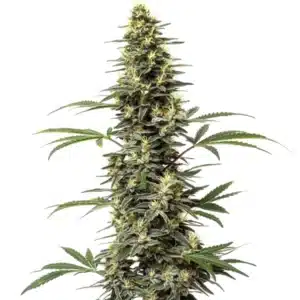
Z OG

|
THC | 16% - 20% (Medium) |

|
Type | Feminized |

|
Yield | Medium |

|
Phenotype | 75% Indica / 25% Sativa |
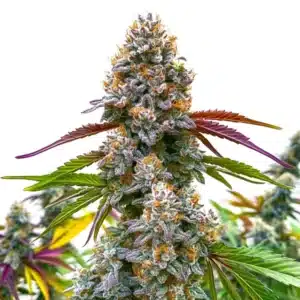
Critical Daddy Purple
|
|
THC | 19% (Medium) |
|
|
Type | Feminized |
|
|
Yield | High |
|
|
Phenotype | 50% Indica / 50% Sativa |
Once you’ve identified the imbalance, organic solutions for cannabis nutrient imbalance come into play. These methods are not only safer for your plants but also environmentally friendly. You’ll find that resolving cannabis nutrient imbalance organically can be simple with the right approach.
Organic Soil Amendments
Soil amendments are a fantastic way to correct cannabis nutrient deficiencies naturally. Compost is a well-known amendment that improves soil structure and adds essential nutrients. Another option is worm castings, which are rich in nitrogen and beneficial microbes. If you’ve ever wondered how do I fix nutrient imbalance in cannabis organically, these natural amendments are among the most effective and accessible solutions for restoring soil health without relying on synthetic products.
Organic amendments like bone meal and blood meal can boost phosphorus and nitrogen levels, respectively. These amendments are slow-releasing, offering a steady supply of nutrients. To apply, mix them into the top layer of soil or use them in a tea form for quicker absorption.
Besides to these, consider using kelp meal, which is an excellent source of micronutrients and enhances soil fertility. Kelp meal aids in correcting cannabis nutrient deficiencies naturally by improving the soil’s overall health. The organic matter in these amendments also increases microbial activity, essential for breaking down nutrients.
Another effective amendment is bat guano, which is high in phosphorus and perfect for encouraging robust flowering. It’s an ideal choice for cannabis strains like those from Blimburn Seeds, which may require extra nutrients during the flowering phase. These natural remedies for cannabis nutrient imbalance are both practical and beneficial for sustainable growing.
Promos & Deals

Compost Teas
Compost teas act as a natural remedy for cannabis nutrient imbalance. They are easy to make and deliver beneficial microbes directly to plant roots. To prepare a compost tea, steep compost in water for 24-48 hours, stirring occasionally.
Once ready, apply the tea to your plants’ soil. This organic method to fix cannabis nutrient issues enriches the soil, making nutrients more available. Compost teas can also be sprayed on leaves to combat deficiencies directly.
Compost teas are versatile and can be tailored to your specific plant needs. Adding ingredients like molasses can boost microbial activity, while fish hydrolysate can enhance the nutrient profile. These additions make compost teas an adaptable solution for various stages of plant growth.
Regular applications of compost tea not only address nutrient imbalances but also improve the soil’s water retention capabilities. This is particularly beneficial for outdoor growers dealing with fluctuating weather conditions. By integrating compost teas into your routine, you are effectively using organic methods to fix cannabis nutrient issues.
Using Fish Emulsion
Fish emulsion is a potent organic fertilizer rich in nitrogen. It’s an excellent choice for fixing nitrogen deficiencies. Easy to apply, fish emulsion can be diluted with water and used as a soil drench or foliar spray.
Regular use of fish emulsion supports vibrant, green growth, particularly in the vegetative stage. When using this product, follow the instructions carefully to avoid over-fertilizing, which can lead to other nutrient imbalances.
Fish emulsion is not only effective but also fast-acting, making it ideal for quick corrections of nutrient imbalances. Its liquid form allows for rapid absorption, providing immediate relief for nitrogen-starved plants. This characteristic makes it indispensable for growers looking to resolve cannabis nutrient imbalance organically.
For those cultivating nutrient-demanding strains like those from Blimburn Seeds, fish emulsion offers a reliable, organic solution. By incorporating this natural fertilizer into your regimen, you can ensure your plants receive the nutrients they need without resorting to synthetic alternatives.

Incorporating Seaweed Extracts
Seaweed extracts are packed with micronutrients and hormones that promote healthy plant growth. They help correct cannabis nutrient deficiencies naturally by enhancing nutrient uptake.
Liquid seaweed can be applied directly to the soil or as a foliar spray. It’s a versatile product that strengthens plants, making them more resistant to environmental stress. Seaweed is ideal for strains like Zkitllez from Blimburn Seeds, known for their vigorous growth.
Beyond its nutrient content, seaweed extract acts as a growth stimulant, encouraging root development and improving overall plant vitality. Its high potassium content supports flowering and fruiting, making it indispensable during these stages.
Incorporating seaweed extracts into your cultivation routine fosters a balanced nutrient environment. This helps in maintaining healthy plants and preventing future nutrient imbalances. Seaweed’s natural properties make it a cornerstone in organic solutions for cannabis nutrient imbalance.
Cover Crops and Mulching
Cover crops, such as clover and alfalfa, are beneficial in cannabis cultivation. They fix nitrogen in the soil and prevent erosion. By incorporating cover crops, you create a sustainable growing environment that naturally enhances nutrient levels.
Mulching with organic materials like straw or leaves helps retain soil moisture and regulate temperature. It also breaks down over time, contributing nutrients back to the soil. This method is particularly useful for outdoor growers with strains like Critical Daddy Purple from Blimburn Seeds.
Another advantage of cover crops is their ability to suppress weeds, reducing competition for nutrients. This ensures that your cannabis plants have the best possible access to the available nutrients, minimizing the risk of deficiencies.
Mulching not only contributes to soil fertility but also acts as a buffer against harsh weather. This dual function makes it an essential practice for those looking to resolve cannabis nutrient imbalance organically, while also supporting a diverse and healthy garden ecosystem.
FAQs on how do I fix nutrient imbalance in cannabis organically
What symptoms indicate a nutrient imbalance in cannabis plants?
Common symptoms of nutrient imbalance include yellowing leaves, brown spots, and stunted growth. Leaf tips might appear burnt, indicating nutrient burn from excess fertilization. Each symptom helps identify specific deficiencies or excesses.
Knowing these signs is crucial. For instance, nitrogen deficiency often results in yellow leaves, while a lack of magnesium might cause interveinal chlorosis, where leaves yellow between the veins. Addressing these symptoms promptly ensures better plant health.
Other symptoms to watch for include purpling of the stems, which often signals phosphorus deficiency, and curled leaves, which might indicate potassium issues. Recognizing these signs helps you take quick action in applying organic solutions for cannabis nutrient imbalance.
By closely monitoring your plants, you can catch nutrient imbalances early and apply the necessary organic methods to fix cannabis nutrient issues. This proactive approach not only saves your crop but also enhances your knowing of plant health over time.
How can I tell if my soil is nutrient-deficient?
Testing your soil is the most accurate way to identify nutrient deficiencies. Home test kits are available and provide insights into pH levels and the presence of essential nutrients like nitrogen, phosphorus, and potassium.
Observing plant growth can also offer clues. Weak or slow-growing plants often signal a lack of nutrients. Regular monitoring and soil testing help maintain optimal growing conditions, especially for nutrient-hungry strains.
Soil texture and color can also give you hints about nutrient content. Dark, rich soils are usually more fertile, whereas sandy, pale soils might lack essential nutrients. Incorporating organic amendments can help in correcting these deficiencies.
By knowing your soil’s characteristics, you can tailor your approach to resolving cannabis nutrient imbalance organically. This ensures your plants receive a balanced diet, crucial for robust growth and high yields.
Can over-fertilization cause nutrient imbalance?
Yes, over-fertilization is a common cause of nutrient imbalance. Excessive nutrients can lead to nutrient lockout, where plants can’t absorb the necessary elements. This often results in symptoms that mimic deficiencies.
It’s important to follow recommended dosage instructions for fertilizers. Organic methods to fix cannabis nutrient issues focus on balanced feeding, reducing the risk of over-fertilization while ensuring plants receive the nutrients they require.
Over-fertilization can also lead to an accumulation of salts in the soil, further hindering nutrient uptake. Regularly flushing your soil with water can help mitigate this issue and restore nutrient balance.
By adopting organic solutions for cannabis nutrient imbalance, you can avoid the pitfalls of over-fertilization and maintain a healthy growing environment. This approach emphasizes gradual, consistent feeding that aligns with your plants’ natural needs.
Are there specific cannabis strains that are more susceptible to nutrient imbalance?
Some cannabis strains are more sensitive to nutrient levels than others. Indica-dominant strains like GG4 tend to require more nutrients, whereas some sativa strains might thrive on less.
Knowing the needs of your specific strain is crucial. Researching strains from reputable sources like Blimburn Seeds can help you select varieties that match your growing environment and nutrient management capabilities.
Hybrid strains can vary widely in their nutrient requirements, often depending on their genetic lineage. Knowing the characteristics of your selected strain can guide your approach to nutrient management and help in resolving cannabis nutrient imbalance organically.
By tailoring your nutrient strategy to the specific needs of your strain, you can optimize growth and potency, ensuring that your plants remain healthy and productive throughout their lifecycle.
How often should I apply organic fertilizers to my cannabis plants?
The frequency of applying organic fertilizers depends on the plant’s growth stage and specific needs. During the vegetative stage, more frequent applications may be necessary to support rapid growth.
As a general rule, feeding every two to four weeks is sufficient. Monitor your plants closely and adjust feeding schedules based on their appearance and growth. Consistent observation and adjustments ensure a balanced nutrient supply.
During the flowering stage, reducing the frequency of nitrogen-rich fertilizers and increasing phosphorus and potassium can enhance bud development. This adjustment is crucial for correcting cannabis nutrient deficiencies naturally during this critical growth phase.
Keeping a detailed log of your feeding schedule and plant responses can help refine your approach over time. This practice allows you to make informed decisions and apply organic methods to fix cannabis nutrient issues effectively.