Proven Tips: Can I Grow Mint Strains Indoors Easily and Successfully?

For many indoor gardeners, mint strains bring a refreshing aroma and unique flavor profile that’s hard to resist. But, can I grow mint strains indoors easily? The answer is yes! With the right approach, growing mint varieties indoors easily becomes quite achievable. Whether you’re new to indoor gardening or a seasoned grower, these tips will guide you to success.
Mint strains thrive with minimal effort, making them perfect for indoor cultivation. To grow mint indoors successfully, focus on providing adequate light, manageable temperatures, and proper watering. By knowing these key elements, you ensure a bountiful mint harvest without trouble.
Recommended Strains
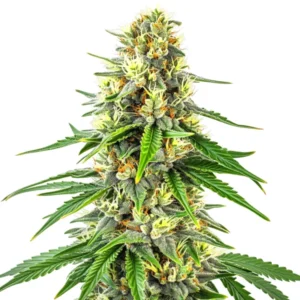
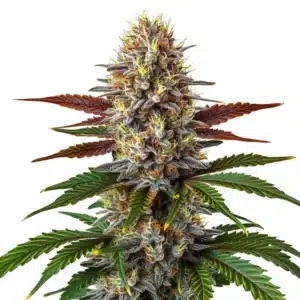
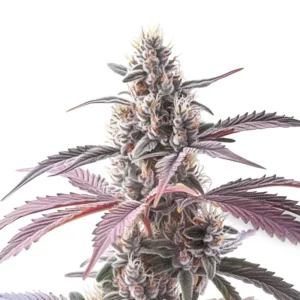
Budmint

|
THC | 17% - 22% (Medium) |

|
Type | Feminized |

|
Yield | Medium |

|
Phenotype | 60% Indica / 40% Sativa |

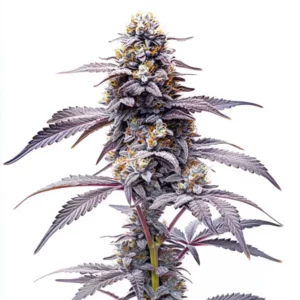
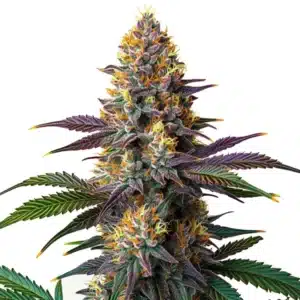
Gush Mints
|
|
THC | 31% - 34% (High) |
|
|
Type | Feminized |
|
|
Yield | High |
|
|
Phenotype | 50% Indica / 50% Sativa |
Let’s dive into some easy indoor mint cultivation tips that will help you nurture these delightful plants. With strains like Budmint and Mints Kush from Blimburn Seeds, your indoor garden will be both aromatic and rewarding.
The Basics of Growing Mint Varieties Indoors Easily
Lighting is a crucial factor for indoor mint cultivation. Mint strains require approximately 12-16 hours of bright, indirect light each day. Using LED grow lights can simulate the natural sunlight they need. Position the lights around 12 inches above the plants to avoid leaf burn while ensuring they get enough energy to thrive.
Temperature and humidity also play significant roles in how to grow mint indoors successfully. Maintain a temperature range of 65-75°F (18-24°C) and a humidity level between 40-60%. Such conditions mimic their natural habitat, promoting healthy growth and vibrant flavors.
Providing your mint plants with the right pot size is essential for their development. A pot that is too small can restrict root growth, leading to stunted plants. Choose a pot that is at least 8-10 inches in diameter to allow adequate space for roots to expand, ensuring robust growth.
Ventilation is another important aspect of indoor mint cultivation. Good air circulation prevents mold and mildew, which can harm your plants. Use a small fan to keep the air moving, helping maintain a healthy growing environment. This step is particularly important when asking, “Can I grow mint strains indoors easily?”
Promos & Deals
Choosing the Best Indoor Mint Strains to Grow
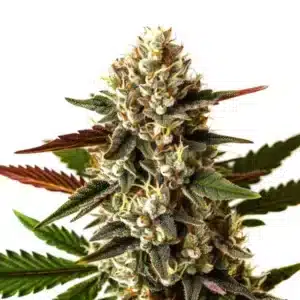
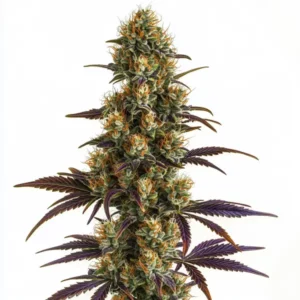
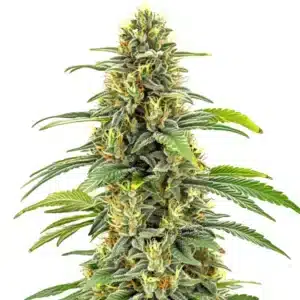
When selecting the best indoor mint strains to grow, consider your taste preferences and growing conditions. Blimburn Seeds offers a variety of mint strains that cater to different tastes and experiences. For instance, Budmint provides a sweet and fruity aroma, perfect for those who enjoy a hint of berry with their mint.
Another excellent choice is the Peppermint Kush strain. It combines the classic minty freshness with a hint of earthiness, making it a favorite among those looking for a distinct flavor. This strain is particularly forgiving, ideal for beginners asking, “Can I grow mint indoors without trouble?”
Experimenting with different strains can lead to a richer indoor gardening experience. Some rare mint varieties offer unique flavors and aromas that can elevate your culinary creations or herbal teas. Blimburn Seeds’ wide selection ensures you’ll find the perfect mint strain to suit your preferences.
Consider the growth habits of each strain when choosing the best indoor mint strains to grow. Some varieties may grow taller while others spread more horizontally. Knowing these traits will help you plan your indoor garden space more effectively, ensuring each plant thrives.
Easy Indoor Mint Cultivation Tips
Watering is essential but should be done carefully to avoid overwatering. The mint roots should stay moist, not waterlogged. A good rule of thumb is to water when the top inch of soil feels dry to the touch. This prevents root rot and ensures the plant remains healthy.
Pruning plays a vital role in maintaining plant health and encouraging bushier growth. Regularly trim the top leaves to promote lateral growth. This practice not only keeps the plant tidy but also enhances the overall flavor and aroma of the mint leaves.
Incorporating a regular feeding schedule will support your mint plants’ growth. Use a balanced, water-soluble fertilizer every two to four weeks to provide the essential nutrients your plants need. This practice is a hallmark of easy indoor mint cultivation tips for achieving lush foliage.
Mulching can help retain soil moisture and regulate temperature around the roots. A layer of organic mulch, such as shredded leaves or bark, will maintain optimal growing conditions and further simplify mint care. This method is particularly useful for those wondering, “Can I grow mint strains indoors easily?”
Can I Grow Mint Indoors Without Trouble?
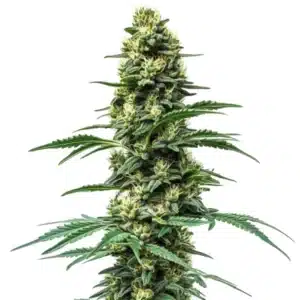
Absolutely! Growing mint indoors without trouble is all about maintaining consistent care. Even first-time growers can achieve success by sticking to the basics. Choose the right strain, like Blimburn Seeds Gush Mints, known for its vibrant citrus notes. This strain adapts well to varying conditions, making it a reliable choice for novices.
Adjust your care routine based on plant responses. If leaves appear yellow, it might indicate overwatering, so adjust accordingly. Similarly, if growth seems stunted, evaluate your light and nutrient setup. By being observant and proactive, you can address issues before they become problematic.
Using quality potting mix is another key factor in growing mint indoors without trouble. A well-draining soil mix prevents water from pooling around roots, reducing the risk of root rot. Consider adding perlite or sand to improve drainage and aeration in the soil.
Keep an eye on the spacing of your plants. Overcrowding can limit air circulation and increase the likelihood of pest infestations. Ensure each plant has ample space to grow, which will aid in their overall health and productivity.
Additional Tips for Successful Indoor Mint Growth
One of the simplest ways to ensure success is to start with high-quality seeds. Blimburn Seeds provides a variety of strains that are well-suited for indoor growing. Reliable seeds lead to robust plants, minimizing complications down the line.
Consider companion planting if space allows. Mint grows well alongside other herbs and aromatic plants, enhancing the indoor garden’s diversity. This approach not only maximizes space but also creates a more dynamic gardening environment.
Consistent monitoring of your plants’ health will prevent potential problems from becoming severe. Regularly check for signs of stress, such as discolored leaves or slow growth, and make necessary adjustments to your care routine.
Incorporating technology, like a smart plant monitor, can help you track environmental conditions more accurately. These devices can provide real-time feedback on light, temperature, and soil moisture, allowing you to optimize your growing environment for better results.
FAQs about can I grow mint strains indoors easily
What are the best conditions to grow mint strains indoors?
Mint strains flourish with bright, indirect light and temperatures between 65-75°F. Humidity levels should stay around 40-60%. These conditions mimic their natural environment, promoting vigorous growth and rich flavors.
Using a humidity tray or a small humidifier can maintain optimal moisture levels, especially during dry seasons. Regular monitoring ensures conditions remain stable, supporting your plants’ health and productivity.
Maintaining a consistent watering schedule complements these growing conditions. Overwatering can lead to root rot, so it’s crucial to let the soil dry out slightly between waterings. This balance promotes healthy root development and vibrant leaf growth.
For those learning how to grow mint indoors successfully, it’s important to remember that each plant may have slightly different needs. Observing your plants and adjusting care as necessary will ensure they thrive in your indoor garden.
How often should I water my indoor mint plants?
Water your mint plants when the top inch of soil is dry. This typically means watering every few days, but frequency can vary based on environmental conditions. Consistency is key to preventing root rot and nutrient deficiencies.
Consider using a moisture meter for precise readings. This tool helps you decide when to water, ensuring your plants receive just the right amount of moisture without the risk of overwatering.
Environmental factors such as temperature and humidity can influence watering needs. During warmer months, your plants may require more frequent watering, while cooler conditions might reduce the frequency needed.
Ensuring your pots have adequate drainage holes is equally important. Excess water should be able to escape easily to prevent waterlogging, a crucial step for those wondering, “Can I grow mint strains indoors easily?”
Can I use regular potting soil for growing mint indoors?
While regular potting soil can be used, a well-draining mix is preferable. Adding perlite or sand can enhance drainage, preventing waterlogging and promoting healthy root development.
Consider using a pre-mixed herb soil, which often contains the right balance of nutrients and drainage capabilities, tailored specifically for herbs like mint.
Enriching the soil with organic materials such as compost can improve its overall quality. This addition not only provides essential nutrients but also enhances the soil’s texture and water retention capabilities.
It’s important to avoid compacting the soil too tightly in the pot. Loose soil allows for better root expansion and air circulation, which are essential components of easy indoor mint cultivation tips.
How do I prevent pests on my indoor mint plants?
Keeping your growing area clean is the first step in preventing pests. Regularly inspect your plants for any signs of infestation, such as discolored leaves or webbing.
If you encounter pests, consider using organic insecticides or natural remedies like neem oil. These options are safe for edible plants and effective against common indoor pests.
Introducing beneficial insects like ladybugs can naturally control pest populations. These insects prey on common pests such as aphids, providing a chemical-free pest management solution.
Ensuring proper air circulation and avoiding excessive humidity can also reduce the risk of pest infestations. A well-ventilated environment is less conducive to pests, helping you maintain a healthy garden.
What are the signs of nutrient deficiency in mint plants?
Nutrient deficiencies in mint plants often manifest as yellowing leaves or stunted growth. Regular feeding with a balanced fertilizer can prevent these issues, ensuring your plants receive all essential nutrients.
Observe your plants closely and make adjustments to your feeding routine as necessary. Leaf discoloration or poor growth often signals the need for nutrient supplementation.
Consider the specific nutrients your mint plants might be lacking. Common deficiencies include nitrogen, phosphorus, and potassium. Addressing these with targeted fertilizers can rejuvenate your plants.
Monitoring pH levels in the soil can also help prevent nutrient deficiencies. Mint plants generally prefer slightly acidic to neutral soil, so maintaining the right pH balance is critical for nutrient uptake.