Proven Ideal Brix Levels for Healthy Cannabis Growth: Expert Guide

Growing cannabis successfully involves more than just planting seeds and waiting. One crucial factor for robust growth is monitoring the Brix level of your plants. The Ideal Brix Levels for Healthy Cannabis Growth can make a significant difference between an average yield and a spectacular one.
For those new to this concept, Brix is a measure of the sugar content in plant sap. Higher Brix levels indicate healthier plants, which can resist pests and diseases better. Let’s dive into how these levels impact cannabis cultivation and ensure your plants thrive.
Recommended Strains
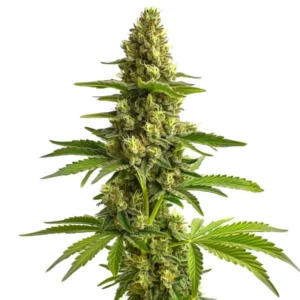
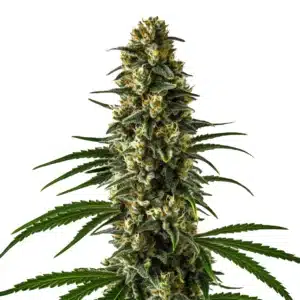
Bruce Banner #3

|
THC | 20% - 29% (High) |

|
Type | Feminized |

|
Yield | Medium |

|
Phenotype | 50% Indica / 50% Sativa |
Girl Scout Cookies
|
|
THC | 18% - 25% (Medium) |
|
|
Type | Feminized |
|
|
Yield | High |
|
|
Phenotype | 60% Indica / 40% Sativa |
Measuring Brix levels in cannabis involves using a simple tool called a refractometer. A drop of plant sap on the refractometer will reveal the sugar content, giving you an insight into plant health. By aiming for Ideal Brix Levels for Healthy Cannabis Growth, you’ll see your plants not only survive but thrive.
Optimal Brix Measurement for Marijuana Plants
For cannabis plants, the healthy Brix range is usually between 12% and 15%. This range is considered ideal for cannabis cultivation. Plants within this range often have vigorous growth, strong resistance to pests, and better flavor profiles. Achieving these levels requires a balance of nutrients, water, and light.
When Brix levels fall below 12%, it could indicate that plants are stressed or lacking essential nutrients. On the other hand, if levels are consistently above 15%, it may require adjustments to avoid nutrient burn. Balancing these elements ensures that your cannabis plants absorb what they need for optimal growth.
Knowing Brix levels in cannabis farming is crucial for any serious cultivator. The ideal Brix levels for cannabis cultivation are not just about achieving a number but ensuring the overall health of the plant. By closely following cannabis plant Brix level guidelines, growers can make informed decisions to enhance their crop’s quality and yield.
Regularly monitoring Brix levels can also alert growers to potential issues before they become significant problems. Early detection of Brix level deviations allows for timely interventions, ensuring that the plants remain in the healthy Brix range for cannabis growth, thus maximizing their potential.
Promos & Deals
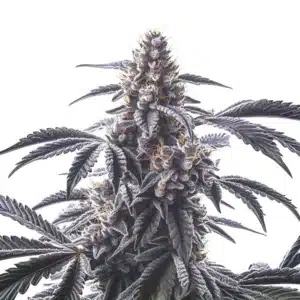
Practical Tips for Maintaining Healthy Brix Levels in Cannabis
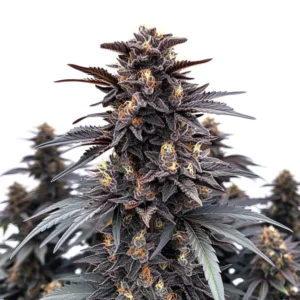
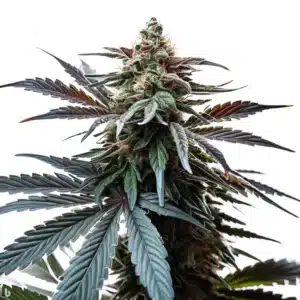
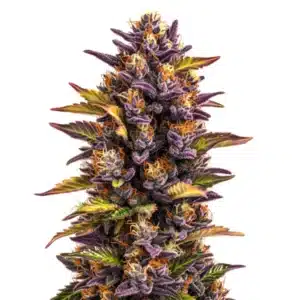
Maintaining Ideal Brix Levels for Healthy Cannabis Growth demands attention to several factors. First, focus on soil quality. Using organic fertilizers can enhance soil nutrient content, directly impacting Brix levels. Blimburn Seeds’ GG4 strain benefits from rich, well-aerated soil to maximize its potential.
Another factor is proper watering techniques. Overwatering can dilute plant sap, leading to lower Brix readings. Conversely, underwatering can stress plants, also affecting Brix negatively. Finding a balance is key, ensuring plants have enough moisture without being waterlogged.
Temperature and humidity also play significant roles in maintaining optimal Brix measurements for marijuana plants. Keeping the temperature within the ideal range helps prevent stress, which can lead to lower Brix levels. Similarly, maintaining appropriate humidity levels ensures that the plants can transpire effectively, supporting healthy growth.
Consistent monitoring and adjustment of these environmental factors can create a stable growing environment, which is crucial for maintaining the ideal Brix levels for cannabis cultivation. By addressing these elements, growers can support robust plant health and high-quality yields.
Influence of Light on Brix Levels
Lighting plays a vital role in achieving optimal Brix measurements for marijuana plants. Natural sunlight is ideal, but many growers use artificial lighting to extend growing seasons. The Blimburn Seeds Bruce Banner 3 strain, known for its potency, thrives under consistent light conditions.
Ensuring plants receive the right amount of light encourages photosynthesis, which in turn raises Brix levels. Too much light, however, can lead to stress and reduced Brix levels. Adjusting light intensity and ensuring plants have periods of darkness can help maintain the healthy Brix range.
Light cycles are another critical aspect to consider for achieving ideal Brix levels for cannabis cultivation. Mimicking natural day and night cycles encourages normal plant metabolism, which can positively influence Brix levels. Using timers to automate light schedules can help maintain consistency.
Moreover, the quality of light impacts plant health significantly. Full-spectrum LED lights that replicate natural sunlight can enhance photosynthetic efficiency, supporting the development of higher Brix levels. This is particularly beneficial for strains like Blimburn Seeds’ Girl Scout Cookies, which benefits from balanced lighting conditions.

Nutrient Management for Ideal Brix Levels
Nutrient management is critical in reaching the Ideal Brix Levels for Healthy Cannabis Growth. A well-balanced diet of nitrogen, phosphorus, and potassium is fundamental. It’s important to adjust these nutrients according to the plant’s growth stage.
For example, nitrogen is essential during the vegetative stage, while phosphorus and potassium are crucial during flowering. Monitoring and adjusting these nutrients can help maintain the optimal Brix measurement for marijuana plants.
Incorporating micronutrients such as calcium, magnesium, and sulfur can further enhance Brix levels. These elements support various physiological functions in the plant, contributing to overall health and vigor. Regular foliar feeding can also help deliver these nutrients directly to the leaves, optimizing absorption.
Utilizing organic amendments like compost teas and worm castings can provide a natural source of nutrients while fostering beneficial microbial activity in the soil. This holistic approach supports the healthy Brix range for cannabis growth, ensuring plants receive the nutrients they need for optimal development.
FAQs about Ideal Brix Levels for Healthy Cannabis Growth
What is the significance of Brix levels in cannabis farming?
Brix levels indicate the sugar content in plant sap, which reflects the overall health and vigor of the plant. Healthy Brix levels suggest that the plant is absorbing nutrients efficiently, resisting pests and diseases, and is likely to produce better yields.
For cannabis growers, maintaining ideal Brix levels is crucial. It ensures that the plants are in optimal health, which can lead to better potency and flavor in the final product. This is why it’s often included in cannabis plant Brix level guidelines.
Knowing Brix levels in cannabis farming allows growers to optimize their cultivation practices. By focusing on achieving the Ideal Brix Levels for Healthy Cannabis Growth, cultivators can ensure that their plants reach their full potential, resulting in higher quality and more abundant harvests.
The Brix level is often used as an indicator of when to harvest. Plants with Brix levels within the ideal range are likely to offer the best combination of yield, potency, and flavor, making it a valuable tool in the decision-making process for cannabis growers.
How can I measure the Brix levels in my cannabis plants?
Measuring Brix levels involves using a tool called a refractometer. By squeezing a small amount of sap from the plant onto the refractometer, you can read the sugar content directly. This process provides insight into the health and nutrition of your plants.
Regular measurement helps in adjusting cultivation practices to maintain the healthy Brix range for cannabis growth, thereby ensuring that your plants remain in peak condition throughout their life cycle.
Calibrating your refractometer regularly is essential for obtaining accurate readings. This ensures that you are making informed decisions based on reliable data. Additionally, consistency in the time of day and plant part sampled can help maintain uniformity in measurements.
Incorporating Brix level measurements into your regular plant care routine can help you catch potential issues early, allowing for timely interventions. This proactive approach supports maintaining the ideal Brix levels for cannabis cultivation, leading to healthier plants and better yields.
Which cannabis strains are best for achieving high Brix levels?
Some cannabis strains naturally achieve higher Brix levels due to their genetic makeup. Strains like Blimburn Seeds’ GG4, Bruce Banner 3, and Girl Scout Cookies are known for their robust growth and high Brix potential.
These strains, when grown under optimal conditions, can exhibit strong growth and resilience, making them ideal choices for growers aiming for high Brix levels.
Choosing the right strain is a crucial step in optimizing Brix levels. Strains that have been bred for vigor and resilience are more likely to thrive and reach the ideal Brix levels for cannabis cultivation. This genetic predisposition can be a significant advantage for growers.
Experimenting with different strains and observing their Brix levels can provide valuable insights into which varieties perform best in your specific growing conditions. This knowledge can be used to refine your cultivation strategy, ultimately leading to more successful harvests.
Can environmental factors affect Brix levels in cannabis plants?
Yes, environmental factors like light, temperature, and humidity significantly impact Brix levels. Balanced environmental conditions can promote higher Brix levels, while extremes can lead to stress and reduced Brix readings.
Controlling these factors within the growing environment is crucial. For instance, maintaining consistent light schedules and proper ventilation can help manage these elements for optimal Brix levels.
Temperature fluctuations can disrupt plant metabolism, leading to stress and fluctuating Brix levels. Implementing measures such as climate control systems can help maintain stable conditions, supporting the healthy Brix range for cannabis growth.
Humidity levels also need to be carefully managed, as high humidity can promote mold growth and low humidity can cause excessive transpiration. Both scenarios can negatively affect Brix levels, so maintaining optimal humidity is key to successful cannabis cultivation.
What are common mistakes that can lower Brix levels in cannabis plants?
Common mistakes include overwatering, nutrient imbalances, and inadequate lighting. Each of these can stress the plants, leading to lowered Brix levels.
To avoid these issues, it’s essential to follow cannabis plant Brix level guidelines, ensuring that your cultivation practices support healthy Brix levels throughout the growth cycle.
Ignoring soil health is another common mistake that can impact Brix levels. Poor soil quality can limit nutrient availability, affecting plant health and sugar production. Regular soil testing and amendments can help prevent this issue, promoting optimal Brix measurements for marijuana plants.
Failing to monitor and adjust for pest and disease pressures can also reduce Brix levels. Healthy plants are more resistant to these challenges, but proactive pest and disease management is essential to maintaining the Ideal Brix Levels for Healthy Cannabis Growth.