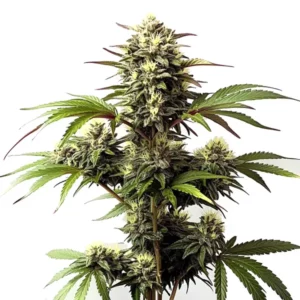
Expert Insights: How Brix Levels Boost Cannabis Resin Production

Delving into the nuances of cannabis cultivation can seem daunting, but it doesn’t have to be. One critical factor that can significantly influence your results is the Brix level. Brix is a measure of the sugar content in plant sap, and it plays a vital role in determining how brix levels relate to cannabis resin production. Whether you’re a first-time seed buyer or a seasoned grower, knowing this concept can help you maximize your yields and improve the quality of your harvest.
Optimal Brix levels for cannabis resin are crucial for enhancing the plant’s ability to produce potent resin. Resin is what gives cannabis its unique aroma and psychoactive effects. By managing Brix levels effectively, you can increase both the quantity and quality of the resin your plants produce. This process involves regular monitoring and adjusting growing conditions to maintain the desired Brix levels.
Recommended Strains

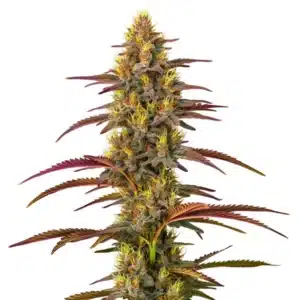
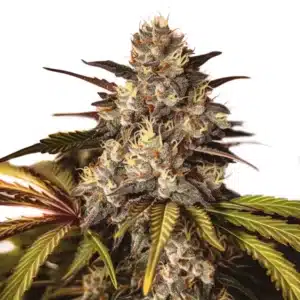
Gelato

|
THC | 27% (High) |

|
Type | Feminized |

|
Yield | High |

|
Phenotype | 50% Indica / 50% Sativa |
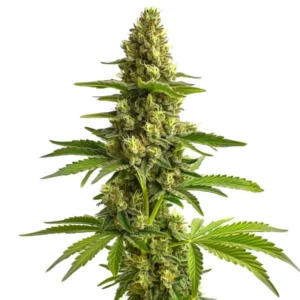
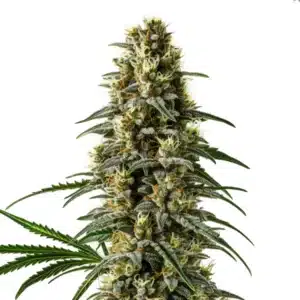
Bruce Banner #3
|
|
THC | 20% - 29% (High) |
|
|
Type | Feminized |
|
|
Yield | Medium |
|
|
Phenotype | 50% Indica / 50% Sativa |
Let’s explore how Brix measurements and cannabis resin yield are interconnected. When Brix levels are high, it indicates a healthy plant with efficient photosynthesis and nutrient uptake. These factors are essential for producing a robust resin. As you dive deeper into the science, you’ll see how enhancing cannabis resin through Brix management is not just possible but also highly effective.
Why Brix Levels Matter in Cannabis Cultivation
Brix levels are a direct indicator of the plant’s health and vigor. Higher Brix levels suggest that the plant is photosynthesizing effectively, absorbing nutrients well, and overall thriving. This is crucial because a thriving plant is more likely to produce higher quantities of resin, which is essential for both recreational and medicinal cannabis.
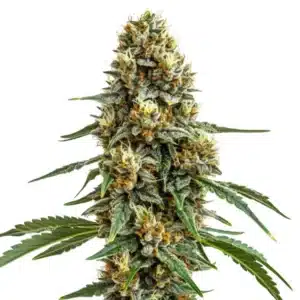
One practical example is the case of cultivators growing the strain Gelato from Blimburn Seeds. Growers who monitor and maintain optimal Brix levels often report richer resin production and enhanced terpene profiles. This is because high Brix levels lead to a robust plant capable of maximizing its genetic potential.
Besides to optimizing resin production, high Brix levels can also enhance the plant’s resistance to pests and diseases. When a plant is thriving, its natural defense mechanisms are stronger, which means it can fend off common threats more effectively. This reduces the need for chemical interventions, resulting in a more organic cultivation process.
Moreover, knowing how Brix levels relate to cannabis resin production can assist growers in making strategic decisions about their crop management. By prioritizing Brix levels, growers can focus on creating an environment where cannabis plants can thrive, leading to a better-quality end product. This approach not only benefits the growers but also the end consumers who enjoy a superior cannabis experience.
Promos & Deals
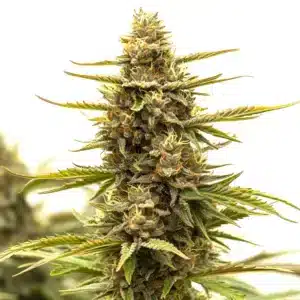
Measuring Brix Levels in Cannabis Plants
Measuring Brix levels involves using a device called a refractometer. This tool is simple to use and provides instant feedback on your plant’s health. You simply squeeze a small amount of sap from the plant and place it on the refractometer’s lens. The device then measures the light refraction in the sap, which corresponds to the sugar content.
Regular Brix measurements can help you understand your plant’s health over time. By tracking these levels, you can adjust your growing practices to optimize conditions. For instance, if your Brix levels are low, it might be time to evaluate your nutrient regime or consider environmental factors like light and water.
For those new to the concept, it’s important to remember that Brix measurements and cannabis resin yield are closely linked. By regularly measuring Brix levels, you can gain insights into how your growing conditions are affecting resin production. If you notice a consistent pattern, you can make informed decisions to improve your cultivation practices.
Furthermore, conducting regular Brix measurements can help in identifying trends and potential issues early. For instance, a sudden drop in Brix levels could signal an underlying problem that needs immediate attention. By addressing such issues promptly, you can prevent them from affecting your cannabis resin yield, ensuring a consistent and high-quality harvest.
Factors Affecting Brix Levels
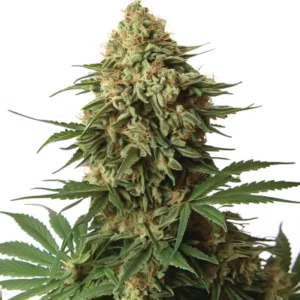
Several factors can impact Brix levels, and hence, the resin production in cannabis plants. Nutrient availability is one of the primary influences. Plants need a balanced mix of nutrients to perform photosynthesis effectively, which directly influences Brix levels. For example, strains like Bruce Banner 3 from Blimburn Seeds thrive when given a well-rounded nutrient mix that supports high Brix levels.
Light exposure is another critical factor. Plants need adequate light for photosynthesis, which in turn affects Brix levels. Growers often find that by adjusting light intensity and duration, they can influence their plants’ Brix levels, leading to better resin production.
The impact of Brix levels on cannabis potency cannot be overstated. When plants receive the right amount of light and nutrients, they are more likely to produce higher levels of cannabinoids and terpenes, which contribute to the plant’s potency. This is why adjusting environmental factors is essential for achieving optimal Brix levels for cannabis resin.
Additionally, temperature fluctuations can have a significant effect on Brix levels. Cannabis plants prefer stable temperatures for consistent growth and resin production. By maintaining the right temperature range, you can ensure that your plants remain healthy and capable of producing the best possible resin quality.
Practical Tips for Managing Brix Levels
Managing Brix levels involves a few practical steps. Start by ensuring your plants are receiving the right balance of nutrients. This may involve soil testing or using a nutrient solution tailored to your specific strain’s needs. Remember, the aim is to support the plant’s natural ability to produce sugars and, consequently, resin.
Regular monitoring is key. Use a refractometer to check Brix levels weekly or bi-weekly. This consistency allows you to track changes and make adjustments swiftly. If you notice a decline in Brix levels, it may be time to reassess your cultivation strategy.
To enhance cannabis resin through Brix management, consider integrating organic practices into your cultivation strategy. Organic fertilizers and soil amendments can improve nutrient uptake, leading to higher Brix levels. This approach not only benefits the plant’s health but also contributes to a more sustainable growing environment.
Furthermore, keeping a detailed log of Brix measurements and environmental conditions can be invaluable. By analyzing this data, you can identify which practices are most effective in maintaining high Brix levels. This proactive approach ensures that your plants are always in the best possible condition for resin production.
FAQs on Brix Levels and Cannabis Resin
What are optimal Brix levels for cannabis resin production?
Optimal Brix levels for cannabis resin production typically range from 12 to 16. These levels indicate that the plant is healthy, with efficient photosynthesis and nutrient absorption. Achieving these levels often results in increased resin production and improved potency. Keep in mind that these numbers can vary slightly depending on the strain and growing conditions.
Regular monitoring of Brix levels allows growers to make necessary adjustments to maintain these optimal conditions. For example, if Brix levels drop, it might be a sign that the plant needs more nutrients or that the environmental conditions need tweaking. By keeping a close eye on these levels, you ensure your plants are in the best possible state to produce high-quality resin.
Knowing how Brix levels relate to cannabis resin production can provide a competitive edge for cultivators. By focusing on achieving and maintaining optimal Brix levels, growers can ensure their plants reach their full genetic potential, resulting in richer resin profiles and higher potency.
Furthermore, the optimal Brix levels for cannabis resin are not just about achieving a specific number. It’s about knowing the balance between various factors, such as light, nutrients, and water, and how they contribute to the overall health and productivity of the plant. By mastering this balance, you can consistently produce top-tier cannabis resin.
How do Brix levels impact cannabis potency?
The impact of Brix levels on cannabis potency is significant. Higher Brix levels often correlate with increased potency because the plant is able to produce more cannabinoids and terpenes. These compounds contribute to the plant’s psychoactive and therapeutic effects, making them essential for both recreational and medicinal use.
For strains like Gelato from Blimburn Seeds, maintaining high Brix levels can enhance the plant’s natural potency. Growers who focus on Brix management often find their yields not only more abundant but also more potent, providing a richer experience for consumers.
By knowing the impact of Brix levels on cannabis potency, growers can tailor their cultivation practices to maximize the desired effects. This involves not only achieving high Brix levels but also maintaining them throughout the plant’s lifecycle to ensure consistent quality and potency.
Moreover, the correlation between Brix levels and potency offers valuable insights for breeders. By selecting plants with consistently high Brix levels, breeders can develop strains that are genetically predisposed to producing potent and aromatic resin, appealing to a wide range of consumers.
Can Brix levels affect cannabis plant health?
Brix level effects on cannabis plant health are profound. High Brix levels are typically indicative of a healthy plant that is less susceptible to pests and diseases. The sugars measured by Brix levels play a crucial role in the plant’s immune system, helping it fend off threats.
If your Brix levels are consistently low, it may indicate underlying health issues with your plants. By addressing these issues through proper nutrition and environmental control, you can improve plant health and, subsequently, resin production.
Maintaining optimal Brix levels also ensures that the plant’s metabolic processes function efficiently. This includes energy production and nutrient transport, both of which are vital for overall plant health and vitality. By focusing on Brix levels, growers can support these essential processes.
Additionally, knowing how Brix levels relate to cannabis resin production can help growers diagnose plant health issues early. By monitoring Brix levels, you can catch signs of stress or deficiency before they become significant problems, allowing for timely interventions to restore plant health.
How can I enhance cannabis resin through Brix management?
Enhancing cannabis resin through Brix management involves a combination of proper nutrition, environmental control, and regular monitoring. Start by ensuring your plants receive a balanced nutrient mix tailored to their specific needs. This supports healthy growth and high Brix levels.
Next, maintain a stable environment with consistent light and water management. Regularly use a refractometer to monitor Brix levels and adjust your cultivation practices as needed. By doing so, you can significantly enhance resin production and overall plant health.
Another strategy for enhancing cannabis resin is to implement stress-management techniques. Controlled stress, such as slight drought or temperature variations, can encourage plants to produce more resin as a defense mechanism, provided that Brix levels are maintained.
Furthermore, collaborating with experienced growers or joining cultivation forums can offer additional insights into effective Brix management practices. Sharing experiences and learning from others can help you refine your approach to maximizing resin production through Brix management.
What is the connection between Brix measurements and cannabis resin yield?
Brix measurements and cannabis resin yield are closely connected. High Brix levels indicate that the plant is efficiently producing sugars, which are crucial for resin production. This efficiency often translates into higher resin yields, as the plant is thriving and able to produce more of the compounds that form resin.
Monitoring Brix levels allows growers to understand this connection and make informed decisions to maximize their yield. For instance, if you notice a dip in Brix levels, it could be a signal to adjust nutrient levels or environmental conditions to boost resin production.
Besides to enhancing yield, knowing the connection between Brix measurements and resin production can also improve the quality of the final product. High Brix levels are often associated with richer terpene profiles, leading to more aromatic and flavorful cannabis.
Finally, the relationship between Brix levels and resin yield underscores the importance of precision in cannabis cultivation. By paying attention to the details and regularly measuring Brix levels, growers can fine-tune their methods to achieve optimal results, ensuring a successful harvest season after season.