Expert Guide: How to Diagnose Yellowing Cannabis Leaves Easily

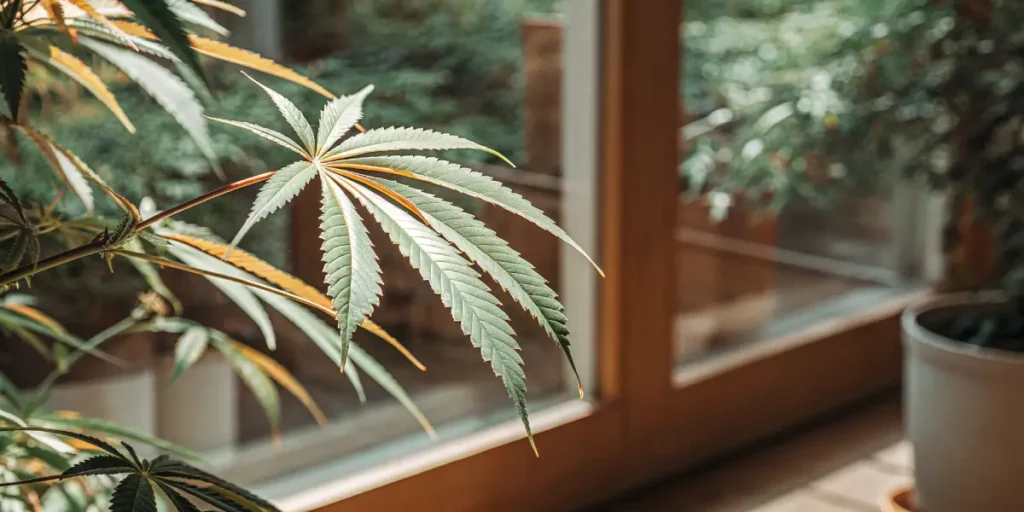
Yellowing leaves can be a troubling sight for cannabis growers. They might indicate underlying issues that need swift action. If you’re new to growing cannabis or a seasoned cultivator, knowing how to diagnose yellowing cannabis leaves is key to maintaining healthy plants. Let’s dive into the potential causes and solutions.
Cannabis plants thrive in well-balanced environments. Any change, like nutrient deficiency, can lead to yellowing leaves. You might notice this issue in strains like Blue Dream from Blimburn Seeds, renowned for its resilience yet susceptible to nutrient imbalances if neglected.
Recommended Strains
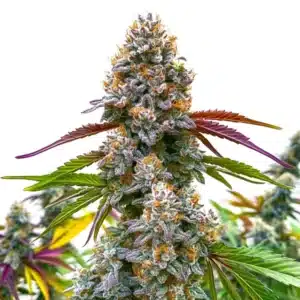
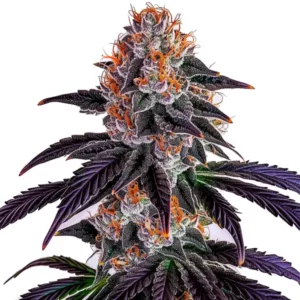
Critical Daddy Purple

|
THC | 19% (Medium) |

|
Type | Feminized |

|
Yield | High |

|
Phenotype | 50% Indica / 50% Sativa |
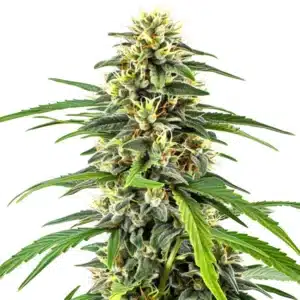
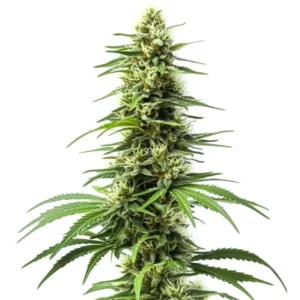
Amnesia Haze
|
|
THC | 18% - 22% (Medium) |
|
|
Type | Feminized |
|
|
Yield | High |
|
|
Phenotype | 30% Indica / 70% Sativa |
Identifying the cause is the first step. Whether it’s a nitrogen deficiency or improper pH levels, diagnosing yellow leaves in marijuana plants requires close attention to your cultivation practices. Let’s explore the most common causes and how to tackle them.
Nutrient Deficiencies and Their Impact
Nutrient deficiencies are among the primary reasons for yellowing leaves. Knowing how to identify nutrient deficiency in cannabis is crucial. Nitrogen, phosphorus, and potassium (N-P-K) are vital macronutrients. A lack of these can cause discoloration.
For instance, nitrogen deficiency manifests as yellowing leaves, starting from the bottom of the plant. You might observe this in strains like GG #4, especially when the soil lacks adequate nitrogen. Monitoring your nutrient feed and soil quality is essential for avoiding such deficiencies.
To effectively troubleshoot cannabis leaf discoloration, it’s important to regularly check your plants for signs of nutrient imbalances. By maintaining a detailed log of feeding schedules, you can identify patterns and adjust nutrient ratios accordingly. Strains like Amnesia Haze from Blimburn Seeds might require specific adjustments in their nutrient intake to prevent yellowing and promote vibrant growth.
Additionally, knowing yellowing in cannabis leaves causes can help in preemptively addressing potential issues. Using high-quality fertilizers and ensuring they are well-mixed in water can prevent uneven nutrient distribution. This proactive approach minimizes the risk of nutrient lockout, a common issue that leads to yellow leaves despite the presence of nutrients.
Diagnosing Nutrient Deficiencies
Accurate diagnosis techniques are important when learning how to diagnose yellowing cannabis leaves. Start by inspecting the older leaves if they turn yellow first, nitrogen might be the culprit. On the other hand, if the top leaves are yellowing, look into micronutrient imbalances like iron or magnesium. Regularly testing your soil or growing medium helps ensure balanced nutrient levels and prevents recurring issues.
Keep an eye on your plants’ growth patterns. Slow growth or smaller new leaves can signal deficiencies. For example, Amnesia Haze from Blimburn Seeds could show stunted growth if nutrient uptake is compromised. Adjust your feeding schedule accordingly to correct any imbalances.
To refine your cannabis leaf yellowing diagnosis techniques, consider using specific nutrient deficiency charts that help pinpoint which nutrients are lacking based on visual symptoms. These charts, combined with soil and water tests, provide a comprehensive knowing of what your plants need. This methodical approach aids in diagnosing yellow leaves in marijuana plants more effectively.
Knowing the function of each nutrient is crucial. For instance, calcium supports cell wall structure, while magnesium is essential for photosynthesis. A deficiency in these can lead to issues beyond yellowing, such as leaf curling or edge browning. Addressing these specific needs ensures overall plant health and minimizes leaf discoloration.
Promos & Deals
Environmental Stressors
Beyond nutrients, environmental factors can cause yellowing. Excessive heat or humidity, poor lighting, and improper watering practices are common stressors. These conditions can lead to leaf discoloration and other growth issues.
For indoor growers, lighting plays a significant role. Insufficient or overly intense light can stress plants, leading to yellowing. Adjust your light setup based on your plant’s growth stage. Strains like Critical Daddy Purple from Blimburn Seeds thrive under proper lighting conditions, but require adjustments as they transition from seedling to flowering stages.
Temperature fluctuations are another environmental factor to consider. Cannabis plants thrive in stable temperatures; sudden changes can stress them, leading to yellow leaves. Keeping your grow area’s temperature consistent, especially during seasonal transitions, can prevent stress-induced discoloration.
Humidity levels also impact plant health. While high humidity might promote mold growth, low humidity can dehydrate plants, causing nutrient uptake issues. Monitoring and adjusting humidity levels based on plant stages plays a key role in how to diagnose yellowing cannabis leaves, helping identify underlying causes and prevent unnecessary stress.
Pathogens and Pests
Pathogens and pests are less frequent but possible causes of yellowing leaves. Fungal infections or pest infestations can disrupt nutrient uptake and overall plant health. Look for signs of mold, mildew, or pest damage on the leaves and stems.
Spider mites, aphids, and whiteflies are common pests that can cause leaf discoloration. They feed on plant sap, weakening your cannabis plants. Use organic pest control methods to manage these invaders without harming your plants or the environment.
Implementing a regular pest management routine is essential for early detection and control. Simple measures, such as introducing beneficial insects like ladybugs, can keep pest populations in check. This proactive strategy helps in diagnosing yellow leaves in marijuana plants caused by pest attacks.
Fungal pathogens can be mitigated by maintaining proper air circulation and avoiding excessive leaf wetness. Regular pruning of affected areas and cleaning your grow space are effective ways to prevent pathogens from taking hold and causing further damage to your crop.
FAQs about how to diagnose yellowing cannabis leaves
What are the common signs of nutrient deficiency in cannabis?
Nutrient deficiencies often manifest as yellowing leaves, stunted growth, and poor flowering. In cannabis, nitrogen deficiency is most common, leading to yellowing from the bottom of the plant upwards. Phosphorus and potassium deficiencies might cause dark spots or curling leaves.
Micronutrient deficiencies, like calcium or magnesium, can cause leaf curling or interveinal chlorosis, where the areas between veins turn yellow. Regular nutrient testing and balanced feeding schedules help prevent these issues. Monitoring your plants closely will ensure they receive all necessary nutrients for healthy growth.
One effective way to learn how to identify nutrient deficiency in cannabis is by observing leaf patterns. For example, a magnesium deficiency often presents as yellowing between the veins, while a calcium deficiency might show as brown spots. By familiarizing yourself with these symptoms, you can better diagnose and treat issues early.
Another key aspect of troubleshooting cannabis leaf discoloration is ensuring that your plants have access to a balanced spectrum of nutrients. Regularly rotating your nutrient solutions and incorporating organic matter into the soil can improve nutrient availability and prevent deficiencies.
How can I prevent yellow leaves in my marijuana plants?
To prevent yellowing, maintain a balanced nutrient regimen and monitor environmental conditions. Use high-quality soil or a well-balanced nutrient solution tailored to your plant’s needs. Adjust your feeding based on the plant’s growth stage and strain-specific requirements.
Ensure stable environmental conditions, including proper lighting, temperature, and humidity levels. Regularly check pH levels and adjust as needed to prevent nutrient lockout. Consistent care and observation are key to preventing yellow leaves and promoting robust plant health.
Developing a preventive maintenance routine is crucial for healthy plants. This includes regular inspections for pests and pathogens, ensuring your lighting setup matches the plant’s developmental stage, and maintaining an optimal watering schedule. These steps help in knowing yellowing in cannabis leaves causes and preventing them.
Additionally, documenting your growing practices and results can help identify what works best for your specific strains. This tailored approach not only aids in preventing yellow leaves but also contributes to a successful and bountiful harvest.
Can pH levels affect cannabis leaf color?
Yes, pH levels significantly impact nutrient absorption. Cannabis plants require specific pH ranges to optimize nutrient uptake. For soil, a pH between 6.0 and 7.0 is ideal, while hydroponic setups should maintain a pH between 5.5 and 6.5.
Misaligned pH levels can cause nutrient lockout, where essential nutrients become unavailable to the plant, leading to yellowing leaves. Regular pH testing and adjustments are crucial for healthy plant growth. Implementing a pH management strategy will help prevent leaf discoloration and other growth issues.
Using pH meters and pH-adjusting solutions can simplify the process of maintaining the correct pH levels. These tools ensure that your plants have access to nutrients at all times, minimizing the likelihood of yellowing due to pH imbalances.
Furthermore, knowing how pH interacts with other growing conditions, such as temperature and humidity, can offer a more comprehensive approach to cannabis leaf yellowing diagnosis techniques. This holistic view supports consistent plant health and reduces the risk of discoloration.
What role does lighting play in cannabis leaf discoloration?
Lighting is crucial for photosynthesis, and improper lighting can lead to stress and yellowing leaves. Both insufficient and excessive lighting can cause issues. Ensure your plants receive the right light spectrum and intensity based on their growth stage.
For example, during the vegetative stage, plants require more blue light, while the flowering stage benefits from red light. Adjusting your light setup according to the plant’s needs will prevent stress-related yellowing and promote healthy growth.
Incorporating adjustable light systems in your grow room can help provide the right light intensity and spectrum at different growth stages. This flexibility is vital for preventing light-related stress and supporting overall plant vitality.
Additionally, knowing how to diagnose yellowing cannabis leaves includes recognizing signs of light burn or deficiency. Leaves may appear scorched or pale if exposed to excessive light or insufficient light, respectively. Adjusting lights promptly can rectify these issues and prevent further yellowing.
Are certain cannabis strains more prone to yellowing leaves?
Some strains may exhibit a higher susceptibility to yellowing due to their specific nutrient and environmental needs. Strains like Blue Dream, GG #4, and Amnesia Haze may require more attention to nutrient levels and environmental conditions to prevent yellowing.
Each strain has unique requirements, and knowing these will help you tailor your care approach. Researching strain-specific needs and adjusting your cultivation practices accordingly will reduce the risk of yellowing leaves and ensure a successful grow.
Consulting strain-specific growing guides can provide valuable insights into how to best care for your plants. These resources often include detailed information on nutrient preferences, optimal environmental conditions, and potential issues to watch for.
Regularly rotating through a variety of strains can also enhance your knowing of different cultivation requirements. This experience will help you become adept at diagnosing yellow leaves in marijuana plants and implementing effective solutions tailored to each strain’s unique characteristics.