Expert Guide: Cannabinoid Half Life Explained in Easy Steps

Cannabinoid half-life is a concept that often confuses both novice and seasoned cannabis enthusiasts. In simple terms, it refers to the time it takes for half of the cannabinoids to be eliminated from the body. With cannabinoid half life explained, it becomes easier to understand how long cannabinoids stay in your system and why this metabolic process is crucial for tracking the journey of these compounds through the body.
Blimburn Seeds offers strains like Girl Scout Cookies, which is known for its balanced effects. This makes knowing cannabinoid metabolism duration explained important if you’re using it for therapeutic reasons. Knowing how long cannabinoids linger can help you plan your usage better.
Recommended Strains
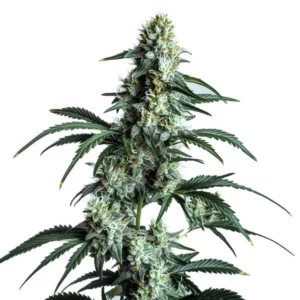
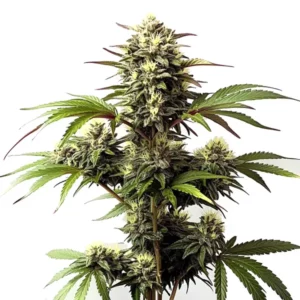
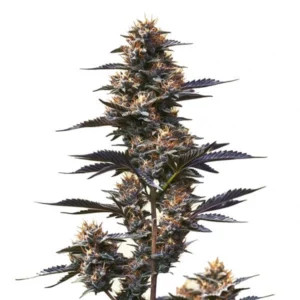
Sour Diesel

|
THC | 22% - 25% (Medium) |

|
Type | Feminized |

|
Yield | High |

|
Phenotype | 30% Indica / 70% Sativa |
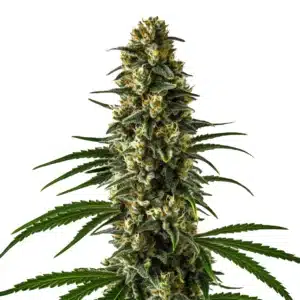
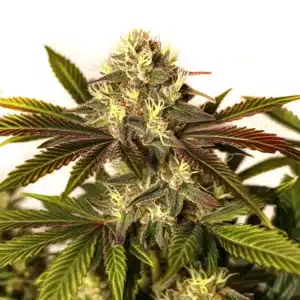
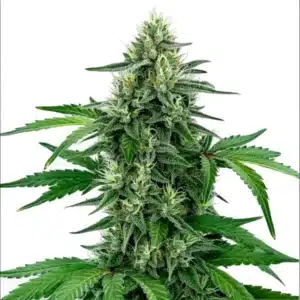
Girl Scout Cookies
|
|
THC | 18% - 25% (Medium) |
|
|
Type | Feminized |
|
|
Yield | High |
|
|
Phenotype | 60% Indica / 40% Sativa |
So, why does this matter? Cannabinoid breakdown process explanation can help you predict effects, avoid overconsumption, and even pass drug tests. The half-life can vary based on several factors that we’ll dive into, from the type of cannabinoid to individual body chemistry.
Factors Affecting Cannabinoid Half-Life
One major factor is the type of cannabinoid. THC and CBD have different half-lives. THC, the psychoactive compound, tends to linger longer than CBD. For instance, Blimburn Seeds’ Blue Dream strain is high in THC, meaning its effects could last longer in your system compared to CBD-dominant strains.
Individual metabolism also plays a critical role. If you’re someone with a faster metabolism, cannabinoids may clear out quicker. Conversely, a slower metabolism might mean cannabinoids linger longer. This is why two people can consume the same amount of cannabis but experience different durations of effects.
Additionally, genetic factors can influence how your body processes cannabinoids. Some people naturally produce more of the enzymes responsible for breaking down these compounds, resulting in a shorter half-life. This genetic variability is one reason why knowing half life of cannabinoids is crucial for personalizing cannabis consumption.
Other factors such as age and gender may also impact cannabinoid half-life. Older individuals often have a slower metabolism, which could prolong the presence of cannabinoids in their system. Similarly, hormonal differences between genders can affect how cannabinoids are metabolized, adding another layer to the cannabinoid metabolism duration explained.
Promos & Deals
The Science Behind Half-Life
The half-life of a cannabinoid is determined by its chemical structure. Enzymes in your liver break down cannabinoids, a process known as cannabinoid metabolism duration explained. Your body’s efficiency in this process affects how long cannabinoids stay in your system.
For example, the popular Blimburn Seeds strain, OG Kush, may have a half-life that varies depending on how your liver processes it. Enzymes like cytochrome P450 play a crucial role in metabolizing cannabinoids, breaking them down into metabolites that are easier for your body to eliminate.
The interaction between cannabinoids and liver enzymes is a complex dance of chemical reactions. Some cannabinoids may inhibit or induce the activity of these enzymes, affecting not only their own breakdown but also the metabolism of other compounds. This detail is essential for a detailed guide on cannabinoid half life.
Research is ongoing into how different cannabinoids interact with liver enzymes. Knowing this interaction better could lead to more personalized approaches to cannabis use, tailoring strains and consumption methods to individual metabolic responses. This underscores why knowing half life of cannabinoids is not just academic but practical.
Real-World Implications
Knowing half life of cannabinoids has practical implications. Imagine you’re a first-time grower using a potent strain like Blimburn Seeds Sour Diesel. Knowing the half-life can help you manage dosage, ensuring you enjoy the high without overdoing it.
For medical cannabis users, knowing how long cannabinoids stay in your system can help manage symptoms effectively. If you’re using cannabis to alleviate pain or anxiety, timing your doses based on half-life can ensure consistent relief.
Recreational users can also benefit from knowing the cannabinoid breakdown process explanation. By knowing when the effects will likely wear off, users can plan their activities accordingly and avoid unexpected intoxication at inconvenient times.
Moreover, knowing half life of cannabinoids is invaluable for those who are subject to regular drug testing. By knowing the duration cannabinoids remain detectable in the body, users can make informed decisions about when to consume cannabis and how it might affect their personal and professional obligations.

How to Calculate Cannabinoid Half-Life
Calculating the half-life of cannabinoids involves some simple math. Once you know the initial dose and the time it takes for half to be eliminated, you can estimate how long it takes for the cannabinoid to leave your system entirely.
For example, if you consume a cannabis product with a certain amount of THC, and it takes 24 hours for half to be metabolized, the half-life is 24 hours. This kind of detailed guide on cannabinoid half-life helps plan your consumption schedule.
Knowing how to calculate half-life allows users to schedule their doses to maintain optimal therapeutic levels. This approach is particularly useful for those using cannabis to manage chronic conditions, as it helps maintain steady-state concentrations in the body.
While online calculators can provide estimates, they can’t replace personalized medical advice. Consulting with healthcare professionals can provide a more tailored approach, taking into account individual factors like body weight and metabolic rate, to better understand how long do cannabinoids stay in system.
FAQs about cannabinoid half life explained
What is the half-life of THC?
The half-life of THC can range from 1 to 10 days, depending on various factors like metabolism, frequency of use, and the method of consumption. In general, occasional users will find THC clearing out faster than regular users.
For strains like Blue Dream from Blimburn Seeds, which are high in THC, knowing the half-life can help you anticipate how long the effects will last. This is essential for both recreational users and those using cannabis for medical reasons.
Frequent users may experience a longer half-life due to the accumulation of THC in fat tissues. This prolonged presence can affect both the duration of psychoactive effects and the detectability of THC in drug tests, highlighting the importance of cannabinoid half life explained.
Furthermore, THC’s interaction with other medications can alter its half-life. This is particularly important for medical users who may be on other prescriptions, as drug interactions can either extend or shorten the time THC remains active in the system.
Does CBD have a different half-life than THC?
Yes, CBD generally has a shorter half-life compared to THC. This means it tends to leave the system quicker. Knowing this can be useful when choosing strains like Girl Scout Cookies from Blimburn Seeds, which offer a balance of THC and CBD.
The shorter half-life of CBD can be beneficial for those who need to avoid the lingering psychoactive effects of THC. This makes CBD-dominant strains attractive for medical users who want quick relief without a prolonged high.
CBD’s shorter half-life is also advantageous for users who require frequent dosing but want to avoid build-up in the system. This allows for more flexible dosing schedules and may reduce the risk of tolerance development.
However, like THC, CBD’s half-life can be influenced by factors such as method of consumption and individual metabolic rate. Knowing these nuances is part of the comprehensive cannabinoid breakdown process explanation that can guide users in their consumption habits.
How does the method of consumption affect cannabinoid half-life?
The method of consumption significantly affects the half-life of cannabinoids. Smoking or vaping cannabis generally results in a quicker onset and shorter duration, while edibles take longer to metabolize, leading to a prolonged half-life.
For example, consuming OG Kush by smoking might result in effects peaking quickly and dissipating sooner, whereas eating an edible containing the same strain could extend the duration of effects due to slower digestion and absorption.
Inhaled methods, such as vaping or smoking, lead to cannabinoids entering the bloodstream almost immediately, resulting in a rapid onset of effects and a shorter half-life. This can be ideal for users seeking immediate relief but can also require more frequent dosing.
On the other hand, edibles are processed through the digestive system and liver, which extends the cannabinoid metabolism duration explained. This results in a longer-lasting effect but also a longer period before the cannabinoids are fully metabolized and eliminated from the body.
Can I influence the half-life of cannabinoids in my body?
While you can’t change the chemical properties of cannabinoids, you can influence how quickly they are metabolized. Factors like exercise, hydration, and a healthy diet can enhance your body’s ability to process and eliminate cannabinoids.
Regular exercise increases metabolism, which may help cannabinoids break down faster. Staying hydrated ensures your liver functions optimally, aiding in the efficient breakdown of cannabinoids like those found in Sour Diesel from Blimburn Seeds.
Additionally, certain dietary supplements and foods may support liver health and enhance the metabolism of cannabinoids. Foods rich in antioxidants and liver-supporting herbs could potentially aid in a quicker cannabinoid breakdown process explanation.
It’s also worth noting that stress levels and sleep patterns can impact metabolism. A well-rested body with a balanced lifestyle may process cannabinoids more efficiently, further illustrating the importance of knowing half life of cannabinoids for personal health management.
What role does body fat play in cannabinoid half-life?
Cannabinoids are lipophilic, meaning they bind to fat cells in your body. This can extend their half-life, especially in individuals with higher body fat percentages. As cannabinoids are stored in fat cells, they are released slowly over time.
This makes it important for users aiming to clear cannabinoids from their system to consider their body composition. A higher body fat percentage may mean cannabinoids from strains like OG Kush linger longer, affecting how long they stay in your system.
The gradual release of cannabinoids from fat stores can lead to prolonged effects or detection times, even after cessation of use. This can be a critical consideration for those undergoing drug testing or attempting to manage the duration of effects.
Body composition changes, such as weight loss, can also impact cannabinoid half-life. As fat reserves decrease, stored cannabinoids can be released into the bloodstream, potentially affecting the current presence of cannabinoids in the body. This highlights another layer in the detailed guide on cannabinoid half life.