Expert Guide: Advanced Brix Interpretation for Cannabis Success

Advanced brix interpretation for commercial cannabis grows is crucial for maximizing yield and ensuring quality. Brix is a term you might have heard tossed around by seasoned growers. It refers to the sugar content in plant sap, which can tell you a lot about the health and vitality of your cannabis plants. The higher the brix level, the better the plant’s overall health.
When you begin interpreting brix levels in commercial cannabis cultivation, you’re diving into a world of precision and detail. High brix levels not only indicate a plant thriving with nutrients but also suggest that the plant is more resistant to pests and diseases. Imagine your cannabis plants as students; those with higher brix levels are at the top of the class.
Recommended Strains

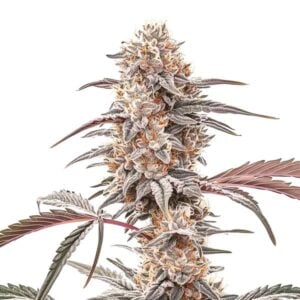
Blackberry Moonrocks

|
THC | 26% - 33% (High) |

|
Type | Feminized |

|
Yield | High |

|
Phenotype | 80% Indica / 20% Sativa |

Blue Dream
|
|
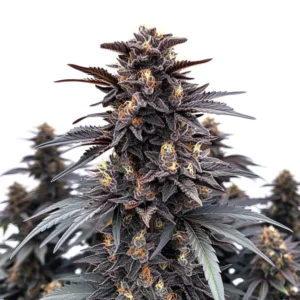
THC | 17% - 24% (Medium) |
|
|
Type | Feminized |
|
|
Yield | High |
|
|
Phenotype | 50% Indica / 50% Sativa |
Optimizing cannabis yield through brix interpretation involves using advanced brix analysis techniques for cannabis. These techniques allow growers to monitor and adjust their cultivation practices to achieve the desired plant health and yield. With the right approach, you can transform your commercial cannabis grow operation into an efficient, high-yielding venture.
What is Brix and Why It Matters?
Brix is a measure of the dissolved sugar-to-water mass ratio in a liquid. For cannabis growers, this measurement is crucial as it indicates the plant’s sugar levels, which are directly related to its health and vitality. A higher brix level usually means a healthier plant, capable of producing more potent and flavorful buds.
Advanced brix monitoring for cannabis growers involves using a refractometer to measure the sugar content in the plant’s sap. This tool is invaluable for providing real-time feedback on the plant’s condition. A simple drop of sap on the refractometer can reveal if your nutrient regimen is effective or if adjustments are needed.
Knowing brix measurements in cannabis growing is essential for making informed decisions about nutrition and care. By regularly measuring brix levels, growers can identify trends and patterns that indicate the overall health of their crops. This proactive approach enables early intervention, ensuring that plants receive the nutrients they need to thrive.
Furthermore, brix levels can serve as a diagnostic tool, helping growers pinpoint specific issues within their cultivation environment. Whether it’s adjusting light levels or tweaking nutrient solutions, interpreting brix levels in commercial cannabis cultivation can guide you in optimizing every aspect of your grow operation.
Promos & Deals



How to Measure Brix in Cannabis Plants
Measuring brix levels in your cannabis plants is straightforward but requires consistency and precision. First, you’ll need a good quality refractometer. These devices are affordable and provide quick and accurate readings. Make sure to calibrate your refractometer according to the manufacturer’s instructions for the best results.
To get a brix measurement, take a sample of the plant’s sap. This is typically done by crushing a fresh leaf and collecting the sap that emerges. Place a drop of this sap onto the refractometer’s glass surface, close the cover, and look through the eyepiece. The scale inside will show you the brix level.
Consistency in sampling is key to obtaining reliable brix data. It’s important to collect sap samples from the same part of the plant each time, as brix levels can vary significantly depending on the leaf’s location and age. This practice ensures that your readings are comparable and actionable.
Additionally, consider the time of day when measuring brix levels. Sap sugar content can fluctuate throughout the day due to photosynthetic activity. For the most accurate results, take measurements at a consistent time, ideally in the morning when photosynthesis is just ramping up.
Interpreting Brix Levels for Optimal Growth
Once you’ve gathered brix data from your cannabis plants, the next step is interpreting this information. Advanced brix interpretation for commercial cannabis grows involves knowing what specific brix readings mean for your plants. Ideally, a reading above 12% indicates a thriving plant, while anything below 8% may require intervention.
For example, if you notice that your Blimburn Seeds strain, like the potent Blackberry Moonrocks, has a lower brix level than expected, it might be time to evaluate your nutrient schedule or check for environmental stressors. Adjusting these factors can help boost the plant’s health and its brix level.
Interpreting brix levels also involves recognizing the correlation between brix readings and plant resilience. Higher brix levels often suggest that plants are better equipped to withstand environmental challenges, such as pests or diseases. This resilience is crucial for maintaining a healthy crop and achieving high yields.
Moreover, by analyzing brix trends over time, you can identify the effectiveness of your growing strategies. If a particular strain consistently shows high brix levels, it indicates that your current approach is successful and can be replicated or adapted to other strains for similar results.
Adjusting Growing Practices Based on Brix Readings
To optimize your cannabis cultivation, adjust your growing practices based on brix readings. If your plants show low brix levels, consider enhancing your nutrient program. This could involve increasing the application of organic matter or adjusting the nutrient balance to better suit the plant’s needs.
Regular monitoring allows you to catch issues early, preventing potential losses. For example, if your Blue Dream plants from Blimburn Seeds suddenly show a drop in brix levels, it may indicate a nutrient deficiency or pest problem. Early detection allows for timely interventions, saving your crop from disaster.
Advanced brix analysis techniques for cannabis can help identify specific nutrient deficiencies. By comparing brix levels before and after nutrient adjustments, you can determine the effectiveness of your interventions and fine-tune your cultivation practices for optimal results.
Additionally, consider integrating soil health improvements into your strategy. Healthy soil supports a robust root system, enhancing nutrient uptake and ultimately contributing to higher brix levels. Implementing practices such as cover cropping and crop rotation can further enrich soil fertility and plant health.
Common Mistakes in Brix Measurement and How to Avoid Them
One common mistake is inconsistent sampling. To get accurate brix readings, collect samples from the same part of the plant and at the same time of day. This ensures that the data you collect is comparable and reliable.
Another error is neglecting environmental factors. Light, temperature, and humidity can all affect brix levels. Ensure that your growing environment is stable, and consider these factors when interpreting your readings. This holistic approach will provide a more accurate picture of your plant’s health.
Another frequent mistake is using an improperly calibrated refractometer, which can lead to inaccurate readings. Always follow the manufacturer’s instructions for calibration, and periodically check the device’s accuracy to maintain trust in your measurements.
Furthermore, failing to clean the refractometer after each use can result in residue buildup, affecting future readings. Proper maintenance of your equipment is crucial for reliable brix monitoring, ensuring that each reading reflects the true state of your plants.
FAQs about advanced brix interpretation for commercial cannabis grows
What is the ideal brix level for cannabis plants?
For cannabis plants, an ideal brix level is generally above 12%. This indicates the plant is healthy and receiving the right nutrients. Plants with brix levels in this range tend to be more resilient and produce higher-quality buds. If your readings are consistently lower, it might be time to review your growing practices and nutrient management.
Regularly measuring and interpreting brix levels helps you maintain the ideal range. By keeping an eye on brix levels, you can make informed decisions regarding nutrient adjustments and environmental controls, ensuring your cannabis plants thrive.
Achieving and maintaining ideal brix levels is not only about nutrient management but also about environmental optimization. Consistent light exposure and proper humidity levels can significantly influence brix readings, contributing to overall plant health and productivity.
By integrating advanced brix interpretation for commercial cannabis grows with comprehensive care practices, you can ensure that your crops consistently achieve optimal brix levels, leading to better yields and higher-quality products.
How often should brix levels be measured in a commercial cannabis grow?
It’s recommended to measure brix levels weekly, especially during critical growth stages. Frequent measurements provide a comprehensive view of plant health and allow for timely interventions. Consistency is key; ensure samples are taken from the same part of the plant at the same time each day.
For first-time cannabis growers, regular brix monitoring can seem daunting. However, developing this habit will pay off in the long run by helping you catch issues early and optimize your cultivation process.
Advanced brix monitoring for cannabis growers involves not only regular measurements but also detailed record-keeping. Keeping track of brix readings over time enables you to identify trends and better understand the impact of environmental changes and cultivation techniques.
Additionally, by correlating brix data with other growth metrics, such as plant size and bud development, you can gain a more comprehensive knowing of your cultivation strategies’ effectiveness, leading to continuous improvement and higher yields.
Can brix levels influence the flavor and potency of cannabis?
Yes, higher brix levels are often associated with improved flavor and potency. This is because higher sugar content indicates a healthy plant with strong photosynthesis and nutrient uptake. These factors contribute to the development of cannabinoids and terpenes, enhancing the overall quality of the buds.
For example, if you are growing a flavorful strain like Tangie from Blimburn Seeds, maintaining high brix levels can enhance its citrusy aroma and potency, providing a superior product for consumers.
By optimizing cannabis yield through brix interpretation, growers can ensure that their plants not only produce higher quantities but also higher-quality buds. The nuanced flavors and enhanced potency resulting from high brix levels make a significant difference in the final product.
Interpreting brix levels in commercial cannabis cultivation allows growers to fine-tune their practices, ensuring that each strain reaches its full potential in terms of flavor profile and cannabinoid concentration, ultimately benefiting both the consumer and the grower.
What tools are needed for advanced brix analysis techniques for cannabis?
To perform advanced brix analysis techniques for cannabis, you’ll need a refractometer, which is the primary tool for measuring brix levels. Additionally, a good quality nutrient solution and a pH meter are beneficial for maintaining optimal growing conditions.
Having a reliable set of tools ensures that you can accurately monitor and adjust your growing practices. This investment in equipment will help you achieve consistent yields and high-quality crops, essential for commercial success.
Besides to these basic tools, consider investing in advanced cultivation technology, such as automated environmental controls and data logging systems. These tools can provide invaluable insights into the growing process, enhancing your ability to achieve optimal brix levels consistently.
By combining advanced brix analysis techniques for cannabis with state-of-the-art technology, you can streamline your cultivation processes, ensuring that every aspect of your operation is geared towards achieving the best possible outcomes.
How does advanced brix monitoring for cannabis growers benefit crop yield?
Advanced brix monitoring allows growers to optimize their cultivation practices, leading to improved crop yield. By knowing brix measurements in cannabis growing, you can tailor your nutrient and watering schedules to enhance plant health and productivity.
In commercial cannabis operations, maximizing yield is crucial for profitability. Regular brix monitoring provides the data needed to make informed adjustments, allowing growers to achieve the best possible results from their crops.
Moreover, advanced brix interpretation for commercial cannabis grows can help identify potential issues before they become major problems. By closely monitoring brix levels, growers can detect signs of stress or nutrient deficiencies early, allowing for prompt interventions that prevent yield losses.
Ultimately, advanced brix monitoring for cannabis growers is a powerful tool in the quest for high yields and quality products. By continuously refining your cultivation techniques based on brix data, you can achieve a more efficient and productive growing operation, benefiting both your bottom line and your reputation as a quality producer.