Essential Guide to Cannabis Nutrient Bioavailability: Proven Tips

Ensuring your cannabis plants thrive involves more than just watering. It’s about maximizing cannabis nutrient bioavailability. This term refers to how well plants can absorb and use the nutrients they’re given. Without optimal bioavailability, even the richest nutrient mix might go to waste. So, let’s dive into the essentials of enhancing this crucial aspect.
Bioavailability challenges in cannabis cultivation can be tricky. Factors such as pH levels, soil composition, and even watering routines can affect how nutrients are absorbed. Knowing these factors helps you make informed decisions, ensuring your cannabis plants get the most out of what you feed them.
Recommended Strains
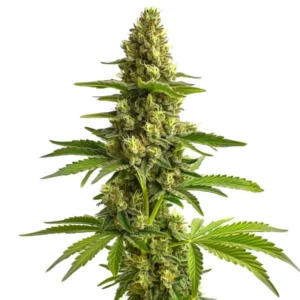
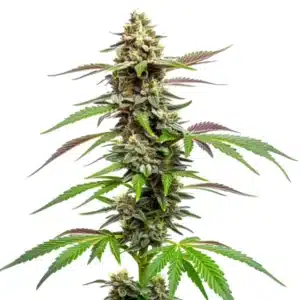
Bruce Banner #3

|
THC | 20% - 29% (High) |

|
Type | Feminized |

|
Yield | Medium |

|
Phenotype | 50% Indica / 50% Sativa |

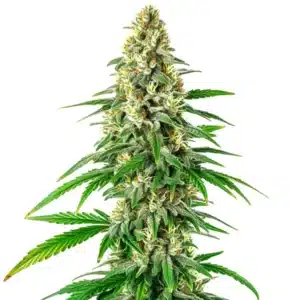
GG4
|
|
THC | 27% (High) |
|
|
Type | Feminized |
|
|
Yield | High |
|
|
Phenotype | 40% Indica / 60% Sativa |
Consider strains like GG4 from Blimburn Seeds, known for its robust growth when nutrient absorption is optimized. It’s a fantastic example of how the right conditions can lead to exceptional results. Keep reading for practical tips to boost nutrient bioavailability for your plants.
Improving Cannabis Nutrient Absorption
One of the keys to cannabis nutrient bioavailability is maintaining the right pH level. The ideal pH for soil-grown cannabis is between 6.0 and 7.0. For hydroponics, aim for 5.5 to 6.5. Keeping your pH within these ranges ensures nutrients remain available for plant uptake. Regular pH testing can help you make quick adjustments as needed.
Another tip is to use chelated nutrients. These are nutrients that have been chemically bonded to allow easier absorption by plants. They’re especially useful in less-than-ideal soil conditions. Chelated nutrients can help overcome bioavailability challenges in cannabis cultivation, making them a valuable tool for growers.
Furthermore, ensuring consistent environmental conditions can greatly enhance cannabis nutrient absorption. Fluctuations in temperature or humidity can disrupt nutrient uptake, making it crucial to maintain a stable growing environment. Utilizing tools like climate controllers can help manage these conditions effectively.
Additionally, microbial life in the soil plays a significant role in improving bioavailability of cannabis nutrients. Encouraging beneficial microbes through organic matter and compost can enhance nutrient cycling and availability. These microbes help break down organic compounds, making nutrients more accessible to plant roots.
Factors Affecting Cannabis Nutrient Uptake
Temperature plays a significant role in cannabis nutrient bioavailability. Plants too cold or too hot may struggle with absorption. Aim for a stable environment where temperatures range between 70°F and 85°F. This range encourages optimal nutrient uptake, ensuring your efforts in feeding nutrients aren’t wasted.
Light intensity also affects nutrient uptake. Cannabis plants under poor lighting won’t photosynthesize efficiently, which can limit nutrient absorption. Ensure your plants receive adequate light for growth. Strains like Bruce Banner #3 from Blimburn Seeds thrive under proper lighting conditions, demonstrating vigorous growth and nutrient use.
Moreover, air circulation is a crucial factor affecting cannabis nutrient uptake. Proper airflow prevents stagnant conditions that can lead to mold or mildew, which can impair nutrient absorption. Using fans to circulate air helps maintain a healthy environment conducive to nutrient uptake.
Lastly, the nutrient type and concentration used can impact uptake. Over-fertilization can cause nutrient burn, while under-fertilization may lead to deficiencies. Striking a balance with a well-rounded nutrient mix ensures that plants receive what they need without excess.
Promos & Deals
Optimizing Cannabis Nutrient Utilization
To optimize cannabis nutrient utilization, focus on balanced nutrient feeding. Use a nutrient schedule tailored to your plant’s growth stage. Seedlings need different nutrient ratios than flowering plants. Adjusting your feed accordingly prevents excess or deficiency, promoting healthy growth.
Another technique is foliar feeding, where nutrients are sprayed directly onto the leaves. This method bypasses the roots, delivering nutrients straight to where they’re needed. Foliar feeding enhances cannabis nutrient absorption enhancement, particularly in the early growth stages.
Integrating organic matter like worm castings or compost tea into your nutrient regimen can further optimize nutrient utilization. These natural amendments can improve soil structure and microbial activity, creating a more favorable environment for nutrient uptake.
Additionally, timing your nutrient applications to align with the plant’s natural growth cycles can lead to better results. For instance, increasing phosphorus during the flowering stage can boost bud production. Knowing your plant’s needs at different stages is vital for maximizing nutrient utilization.
Bioavailability Challenges in Cannabis Cultivation
Poor soil quality is a common challenge. Compacted or nutrient-poor soils can hinder cannabis nutrient bioavailability. To combat this, consider using a high-quality potting mix. Adding organic matter, like compost, can improve soil structure and nutrient content.
Another challenge is nutrient lockout, often caused by salt buildup from fertilizers. Flushing your plants with pH-balanced water can help remove these salts. Regular flushing ensures your plants can access the nutrients they need for optimal growth.
Competing plants or weeds can also pose a bioavailability challenge by absorbing essential nutrients from the soil. Regularly removing weeds and practicing good garden hygiene can prevent this competition, ensuring your cannabis plants have access to the nutrients they require.
Furthermore, water quality can significantly impact bioavailability. Hard water with high mineral content may lead to nutrient imbalances, while soft water might lack essential minerals. Using filtered or distilled water can help maintain nutrient balance, improving bioavailability.

Practical Tips for Enhancing Bioavailability
Consider the strain’s specific needs. For example, Critical Daddy Purple by Blimburn Seeds flourishes with particular nutrient adjustments during its flowering phase. Knowing the unique requirements of your chosen strain can lead to better results.
Rotate your crops. This practice prevents nutrient depletion in the soil, ensuring that each new batch of plants has access to fresh nutrients. Crop rotation is a simple yet effective way to maintain balanced soil conditions.
- Maintain consistent watering schedules to prevent nutrient lockout.
- Use organic fertilizers to improve soil health and nutrient content.
- Regularly test soil pH and adjust as needed for optimal nutrient availability.
- Ensure adequate lighting to support healthy photosynthesis and nutrient uptake.
Incorporating cover crops during off-seasons can further enhance soil health and bioavailability. These plants add organic matter to the soil and can help fix nitrogen, improving overall nutrient availability for future cannabis crops.
Another practical tip is the adoption of mycorrhizal fungi, which form symbiotic relationships with plant roots. These fungi extend the root system, increasing the surface area for nutrient uptake and enhancing bioavailability naturally.
FAQs about cannabis nutrient bioavailability
What is cannabis nutrient bioavailability?
Cannabis nutrient bioavailability refers to how well your cannabis plants can absorb and utilize the nutrients provided to them. It’s a critical factor in ensuring that your plants grow strong and healthy. Without optimal bioavailability, even the most nutrient-rich soil can lead to poor plant growth.
Achieving high bioavailability involves knowing various factors, such as pH levels, soil composition, and environmental conditions. By addressing these factors, you can enhance your plants’ ability to take in nutrients, resulting in more vigorous growth and better yields.
How can I improve the bioavailability of cannabis nutrients?
Improving the bioavailability of cannabis nutrients involves several strategies. First, ensure your soil or growing medium is at the correct pH level. This allows nutrients to remain in a form that plants can absorb easily. Regularly testing and adjusting pH levels can make a big difference.
Another method is using chelated nutrients, which are easier for plants to absorb. Additionally, maintaining a consistent watering schedule and providing adequate lighting can improve nutrient uptake, helping your cannabis plants thrive.
Furthermore, incorporating beneficial microbes into your growing medium can significantly enhance nutrient bioavailability. These microbes aid in breaking down organic matter and releasing nutrients in a form that plants can readily absorb, thus boosting overall nutrient uptake.
Lastly, utilizing a diverse nutrient profile that includes trace elements can prevent deficiencies and improve the overall health of your plants. This approach ensures that all necessary nutrients are available for optimal growth and development.
What factors affect cannabis nutrient uptake?
Several factors can impact cannabis nutrient uptake. Temperature is a crucial factor; plants growing in too cold or hot conditions may struggle to absorb nutrients effectively. Maintaining an optimal temperature range helps facilitate better nutrient absorption.
Light intensity is another important factor. Sufficient lighting ensures that plants can photosynthesize efficiently, which is essential for nutrient uptake. Finally, proper watering practices prevent nutrient lockout, ensuring that roots can access the nutrients they need.
Additionally, the structure of the growing medium can influence nutrient uptake. A well-aerated medium allows for better root growth and access to nutrients. Ensuring your medium is not too compacted can prevent root stress and enhance nutrient absorption.
Soil biology also plays a crucial role. A thriving population of beneficial microorganisms can improve nutrient cycling and availability, making it easier for plants to take up essential nutrients and thrive.
Can I enhance nutrient absorption with specific cannabis strains?
Yes, some cannabis strains are more efficient at nutrient absorption than others. For example, strains like Gorilla G4 and Bruce Banner #3 from Blimburn Seeds have been bred for robust growth and high nutrient uptake. Knowing the particular needs of your chosen strain can help you tailor your feeding practices accordingly.
By selecting strains known for their efficiency in nutrient uptake, you can achieve better results with less effort. Pair these strains with optimized growing conditions for the best outcomes.
Besides to strain selection, genetic factors can play a role in nutrient absorption efficiency. Breeders often select for traits such as root structure and growth rate, which can influence how well a plant utilizes nutrients.
Finally, keeping detailed records of how different strains perform under various conditions can help you identify which strains are best suited to your growing environment, further enhancing nutrient absorption and overall plant health.
What are common bioavailability challenges in cannabis cultivation?
Common challenges include poor soil quality and nutrient lockout. Compacted or nutrient-deficient soils can limit nutrient availability, while salt buildup from fertilizers can cause nutrient lockout. Both issues can be addressed with careful soil management and regular flushing practices.
Pests and diseases can also interfere with nutrient absorption by damaging plant roots. Regular plant inspections and organic pest control methods can help maintain healthy plants, ensuring they can access and absorb nutrients effectively.
Environmental stressors such as drought or excessive humidity can further complicate nutrient availability. Monitoring and adjusting environmental conditions can mitigate these stressors, enhancing nutrient bioavailability.
Lastly, human error, such as incorrect nutrient dosages or improper watering practices, can lead to bioavailability challenges. Educating yourself on best practices and staying informed about the latest cultivation techniques can help avoid these pitfalls and promote healthy plant growth.