Essential Guide: Proven Soil vs Hydro Nutrient Interactions in Cannabis

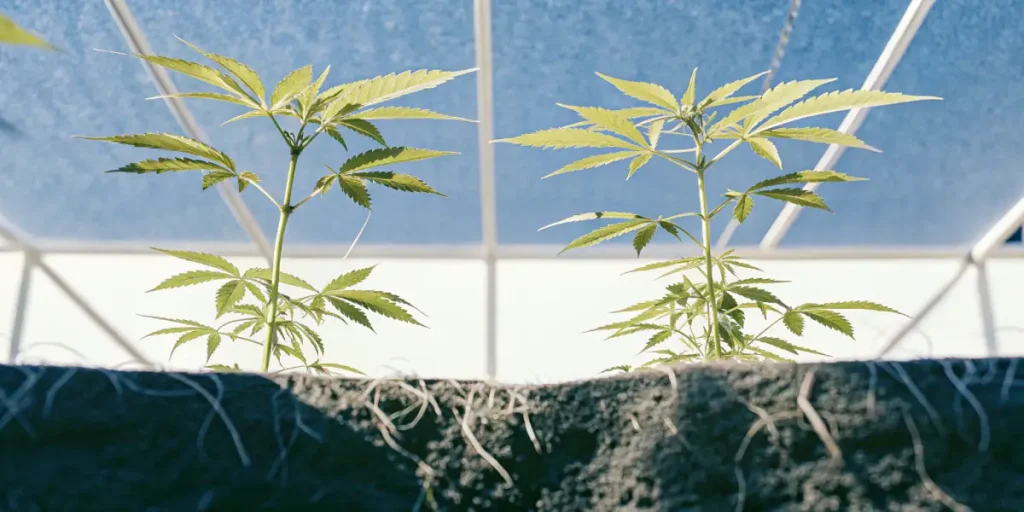
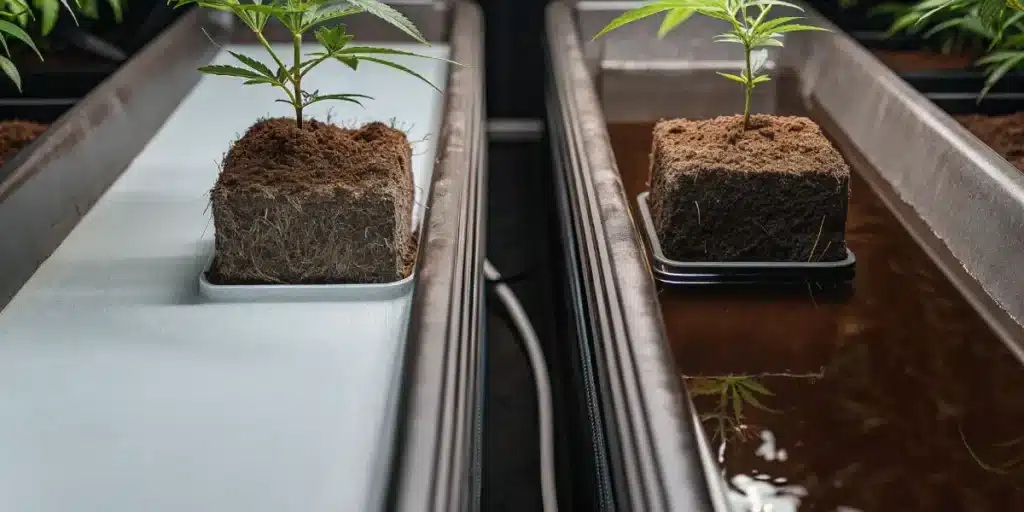
When growing cannabis, the choice between soil and hydroponics significantly impacts nutrient interactions. Knowing soil vs hydro nutrient interactions in cannabis cultivation is essential, as soil offers a natural environment rich in organic matter. It’s like a buffet for plants, providing a range of nutrients slowly over time. On the other hand, hydroponics delivers nutrients directly to the roots through a nutrient solution, offering precise control over what the plant receives.
Soil nutrient retention in cannabis is a key factor for growers. It refers to how well soil holds onto nutrients, making them available to plants gradually. This retention is crucial for maintaining a steady nutrient supply. In contrast, hydroponic systems require careful monitoring to ensure plants get the right nutrients at the right time, as they absorb them directly from the water.
Recommended Strains
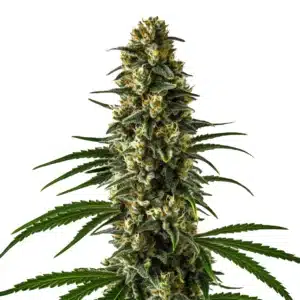
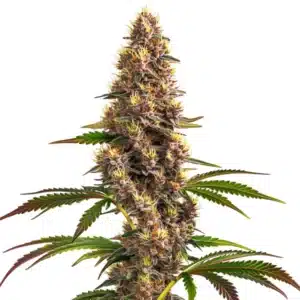
OG Kush

|
THC | 20% - 24% (Medium) |

|
Type | Feminized |

|
Yield | Medium |

|
Phenotype | 55% Indica / 45% Sativa |
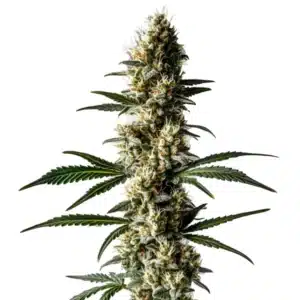
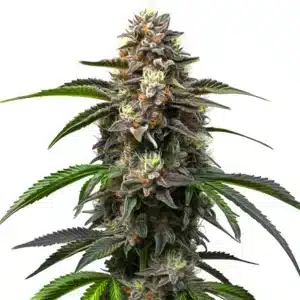
Sour Diesel
|
|
THC | 22% - 25% (Medium) |
|
|
Type | Feminized |
|
|
Yield | High |
|
|
Phenotype | 30% Indica / 70% Sativa |
Cannabis nutrient uptake in soil vs hydroponics varies significantly. Soil-grown plants often have a more complex root system, tapping into a broader range of nutrients. Hydroponic cannabis nutrient solution interactions are more direct, allowing for quicker nutrient absorption. This can lead to faster growth, but requires regular adjustments to the nutrient mix to avoid deficiencies or toxicities.
Soil Nutrient Retention and Cannabis Growth
Soil’s ability to retain nutrients is like a savings account for your plants. It holds nutrients in reserve, releasing them as needed. This natural buffering system helps prevent nutrient burn, a common issue in hydroponic setups where nutrients are more directly available. For those new to cannabis cultivation, soil can be more forgiving.
The impact of soil type on cannabis nutrient absorption is profound. Different soils contain varying levels of nutrients and organic matter. For example, sandy soils may drain quickly, requiring more frequent watering and feeding. Clay soils, conversely, hold water and nutrients longer, but can lead to waterlogging if not managed properly.
A deeper knowing of soil vs hydro nutrient interactions in cannabis cultivation can further enhance growth results. The incorporation of organic amendments like compost and mycorrhizal fungi can improve soil nutrient retention in cannabis, fostering healthier growth. These amendments not only enhance nutrient availability but also support a thriving ecosystem of beneficial organisms.
On the flip side, growers should be aware of the potential pitfalls of soil cultivation. While soil offers a natural buffer, it can also mask nutrient deficiencies longer than hydroponics. Regular soil testing and analysis are advisable to ensure optimal nutrient levels are maintained. By knowing and managing these dynamics, growers can optimize both soil and hydroponic systems for superior cannabis cultivation outcomes.
Choosing the Right Soil for Cannabis
When selecting soil, consider the texture and composition. A loamy soil, rich in organic matter, offers great nutrient retention and drainage. It’s ideal for beginners and experts alike. Mixing perlite into the soil can enhance aeration and drainage, supporting robust root development.
Blimburn Seeds offers a variety of cannabis strains that thrive in soil, such as OG Kush. Known for its resilience, OG Kush performs well in diverse soil types, making it a favorite among growers. Its nutrient needs are well-met with a balanced soil mix.
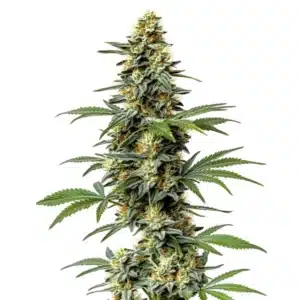
Another key consideration in soil vs hydro nutrient interactions in cannabis cultivation is the adaptation of specific strains to their growing medium. Some strains naturally perform better in soil due to their genetic preferences for organic nutrient sources. This is particularly true for strains like Blue Dream, which benefit from the organic complexity and stability that soil provides.
When choosing soil, it is also beneficial to consider the long-term sustainability of your cultivation practices. Using organic soil amendments and avoiding synthetic fertilizers can enhance soil health over time. This not only supports healthier plants but also contributes to more sustainable cultivation practices, ensuring that soil remains a viable growing medium for future crops.
Promos & Deals

Hydroponic Cannabis Nutrient Solution Interactions
Hydroponics offers precision like no other. By delivering nutrients directly to the plant’s roots, growers can fine-tune feeding schedules and nutrient mixes for optimal growth. This system is efficient, often resulting in faster growth rates and larger yields compared to soil.
However, hydroponic systems require diligence. Unlike soil, which naturally buffers nutrient levels, hydroponic setups need constant attention. Nutrient solution interactions can change quickly, influenced by factors like water temperature and pH levels. Regular monitoring prevents issues like nutrient lockout, where plants can’t absorb nutrients due to imbalances.
Knowing hydroponic cannabis nutrient solution interactions is crucial for maximizing plant health and yield. The ability to adjust nutrient concentrations and pH levels with precision allows growers to tailor the environment to the plant’s exact needs. This can be especially beneficial during critical growth phases such as flowering, where nutrient demands can shift rapidly.
Furthermore, the efficiency of nutrient use in hydroponics is unmatched, as plants have direct access to the nutrients they need without the interference of soil particles. This results in a more streamlined nutrient uptake process, promoting accelerated growth and larger yields. However, it underscores the importance of regular monitoring and adjustment to prevent nutrient imbalances that can quickly impact plant health.
Optimizing Hydroponic Systems for Cannabis
To succeed with hydroponics, invest in quality equipment. A reliable pH and EC meter are critical for monitoring the nutrient solution. Keeping the pH within an optimal range ensures nutrient availability. Regularly adjust the nutrient mix based on your plants’ growth stage and specific needs.
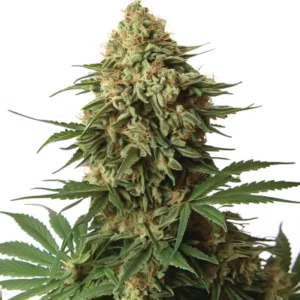
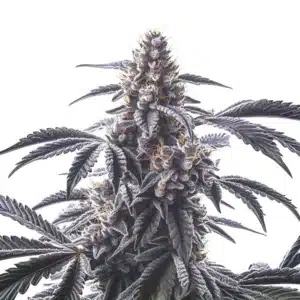
Blimburn Seeds’ Girl Scout Cookies is a strain that thrives in hydroponic systems. It’s known for its high yields and potent effects. By carefully managing the nutrient solution, growers can maximize the potential of this strain, achieving impressive results.
Investing in automated systems can further optimize hydroponic setups, allowing for consistent and precise control over the growing environment. Technologies such as automated nutrient dosing systems and environmental sensors can help maintain ideal conditions, reducing the likelihood of human error and improving overall efficiency.
Additionally, the choice of hydroponic method, such as Deep Water Culture (DWC) or Nutrient Film Technique (NFT), can influence nutrient efficiency and growth rates. These systems offer unique advantages and challenges, and selecting the right one can enhance the benefits of hydroponics in cannabis cultivation. Pairing these techniques with strains like Sour Diesel can unlock the full potential of hydroponic growing.
Soil vs Hydroponic Cannabis Growth Nutrient Efficiency
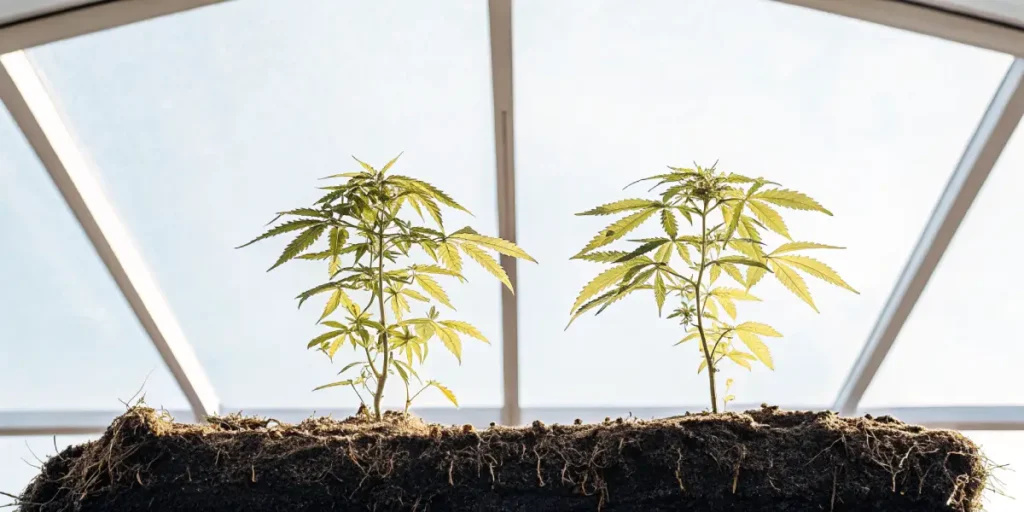
Efficiency in nutrient use is a major consideration for cannabis growers. In soil, nutrient efficiency depends largely on the soil type and management practices. Organic matter and microbial activity enhance nutrient availability, promoting healthy plant growth.
In hydroponics, nutrient efficiency is achieved through precision feeding. By tailoring the nutrient solution to the plant’s specific needs, growers can minimize waste and maximize growth. This method often leads to higher yields in a shorter time frame compared to soil.
The debate of soil vs hydroponic cannabis growth nutrient efficiency often hinges on the balance between natural and controlled environments. Soil, with its inherent microbial life and organic structure, provides a gradual and sustained nutrient release, which can be advantageous for certain strains and growing conditions.
On the other hand, hydroponics excels in delivering nutrients directly and efficiently, often resulting in faster growth rates and higher yields. This efficiency is particularly beneficial in commercial settings where maximizing output is a priority. However, it requires a more hands-on approach, with constant monitoring and adjustments to maintain optimal conditions.
Balancing Nutrient Efficiency in Cannabis Cultivation
For those growing in soil, regularly amending with organic compost or worm castings can improve nutrient retention and efficiency. These amendments enrich the soil, providing a slow-release nutrient source that supports long-term plant health.
In hydroponics, nutrient efficiency is all about balance. Regularly test and adjust the nutrient solution to match the plant’s growth stage. This proactive approach prevents nutrient deficiencies and ensures that plants receive the nutrients they need for optimal growth.
Achieving a balance between soil vs hydro nutrient interactions in cannabis cultivation requires an knowing of both methods’ strengths and limitations. In soil, the use of organic amendments can enhance nutrient retention and efficiency, fostering a healthy ecosystem that supports plant growth.
In hydroponics, focusing on maintaining precise nutrient levels and environmental conditions can optimize nutrient uptake and growth rates. By leveraging the unique benefits of each system, growers can achieve a harmonious balance that maximizes the potential of their cannabis plants. Blimburn Seeds provides strains that perform well in both environments, allowing for flexibility in cultivation methods.
FAQs about soil vs hydro nutrient interactions in cannabis cultivation
What are the main differences between soil and hydroponic nutrient interactions in cannabis cultivation?
The primary difference lies in how nutrients are delivered to the plant. In soil, nutrients are naturally present and released slowly, allowing plants to absorb them over time. This provides a buffer against nutrient imbalances, which can be advantageous for beginners. Soil also supports beneficial microbial life that aids in nutrient breakdown and absorption.
In hydroponics, nutrients are delivered directly through a water-based solution. This allows for precise control over nutrient levels, leading to potentially faster growth and higher yields. However, it requires careful monitoring to prevent nutrient deficiencies or toxicities, as there is no natural buffering like in soil.
The choice of medium in cannabis cultivation significantly impacts how plants interact with nutrients. Soil provides a complex environment that supports diverse microbial life, which aids in the breakdown and absorption of nutrients. This complexity can result in a more resilient plant that is less prone to nutrient imbalances.
Conversely, hydroponics offers a more streamlined approach, allowing for immediate nutrient uptake. This can lead to rapid growth and higher yields, but requires meticulous management to maintain the delicate balance of nutrient levels. Knowing these differences can help growers choose the best method for their specific cultivation goals.
How does the choice of growing medium affect cannabis nutrient uptake?
Growing medium significantly influences nutrient uptake. Soil tends to support a broader range of nutrient absorption due to its complex structure and microbial life. This can lead to more resilient plants that are less prone to nutrient deficiencies. Soil type, such as clay or sandy, also affects how nutrients are retained and absorbed.
Hydroponics, by contrast, offers a streamlined nutrient uptake process. Nutrients are readily available in the water, allowing for immediate absorption by the plant’s roots. This can enhance growth speed and yield but requires precise management of the nutrient solution to ensure balanced uptake.
The impact of soil type on cannabis nutrient absorption underscores the importance of selecting the right medium for your plants. Different soil types offer varying levels of nutrient retention and availability, which can influence how effectively plants can access the nutrients they need.
In hydroponic systems, the direct delivery of nutrients eliminates many of the variables present in soil, offering a more controlled nutrient uptake process. While this can enhance growth efficiency, it also requires growers to be vigilant in monitoring and adjusting nutrient levels to prevent imbalances that could harm plant health.
What are some advantages of using soil over hydroponics for cannabis cultivation?
Soil cultivation offers several advantages, particularly for novice growers. It’s more forgiving, as the natural buffering capacity of soil minimizes the risk of nutrient burn. Soil also supports a healthy root system and beneficial microbes, which can enhance plant health and resilience.
Additionally, soil is generally easier to manage, with less need for constant monitoring of nutrient levels and pH. This can make it a more accessible option for those new to cannabis cultivation, while still providing excellent results with the right strain selection, like those offered by Blimburn Seeds.
For those interested in sustainable cultivation practices, soil offers a more environmentally friendly option. It allows for the use of organic amendments and natural growing techniques that can enhance soil health over time. This not only benefits the plants but also contributes to a more sustainable approach to cannabis cultivation.
Moreover, soil cultivation can be more cost-effective, as it requires fewer inputs and less specialized equipment compared to hydroponics. This can make it a more attractive option for small-scale growers or those with limited resources, allowing them to achieve successful results without significant investment.
Why might a grower choose hydroponics over soil for cannabis cultivation?
Hydroponics offers the advantage of precise control over the growing environment. This method allows growers to tailor the nutrient solution to the specific needs of their plants, often resulting in faster growth rates and higher yields. It’s particularly appealing for those looking to maximize efficiency and output.
Hydroponics is also beneficial in areas with poor soil quality or limited space, as it can be set up indoors with controlled conditions. For those who have the time and resources to dedicate to monitoring and adjusting their system, hydroponics can be a highly rewarding method of cannabis cultivation.
The ability to grow cannabis in controlled environments makes hydroponics an attractive option for urban or indoor growers who may not have access to suitable soil conditions. This flexibility allows for year-round cultivation, independent of outdoor weather patterns, ensuring a consistent and reliable crop.
Furthermore, hydroponic systems can significantly reduce water usage compared to traditional soil cultivation. This efficiency is not only beneficial for conserving water resources but also for reducing the environmental footprint of cannabis cultivation, making it a more sustainable option in regions with limited water availability.
What strains from Blimburn Seeds are recommended for soil and hydroponic systems?
Blimburn Seeds offers a variety of strains suited to both growing methods. For soil, OG Kush and Blue Dream are excellent choices, thriving in the natural nutrient-rich environment soil provides. They adapt well to different soil types and are known for their robust growth and high yields.
For hydroponic systems, Girl Scout Cookies and Sour Diesel are top picks. These strains benefit from the precise nutrient delivery hydroponics offers and are known for their impressive growth rates and potent effects. By choosing the right strain for your setup, you can achieve optimal results, whether you’re using soil or hydroponics.
Each strain offered by Blimburn Seeds has unique characteristics that make it well-suited for specific growing conditions. For instance, OG Kush’s adaptability to various soil types makes it a versatile choice for growers who prefer the traditional soil method. Its resilience and robust growth make it a favorite among soil enthusiasts.
For hydroponic enthusiasts, Girl Scout Cookies’ rapid growth and high yield potential make it an ideal candidate for controlled environments. By knowing the specific needs and characteristics of each strain, growers can maximize their cultivation success, whether they choose soil or hydroponics as their preferred method.