Can Nutrient Antagonism Ruin My Cannabis Harvest? Expert Insights

Ever wondered how nutrient antagonism might affect your cannabis harvest? It’s a question that keeps many growers up at night. Imagine spending months nurturing your plants only to find that a nutrient imbalance has devastated your hard work. Nutrient antagonism can indeed ruin your cannabis harvest if left unchecked, and many growers actively search for answers to can nutrient antagonism ruin my cannabis harvest to prevent these costly mistakes.
Nutrient antagonism occurs when one nutrient interferes with the absorption of another. This might sound technical, but think of it this way: it’s like having too many cooks in the kitchen. They all mean well, but sometimes they get in each other’s way, and the dish turns out badly. The same happens with nutrients in your cannabis plants.
Recommended Strains
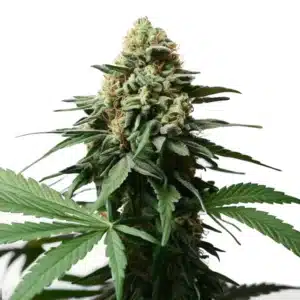
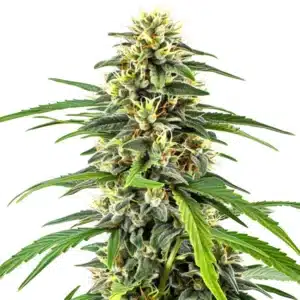
Gorilla Grapefruit

|
THC | 22% - 24% (Medium) |

|
Type | Feminized |

|
Yield | Medium |

|
Phenotype | 75% Indica / 25% Sativa |

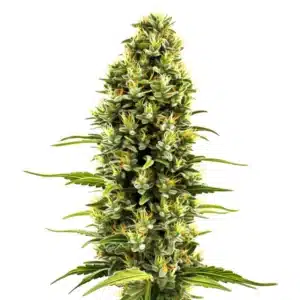
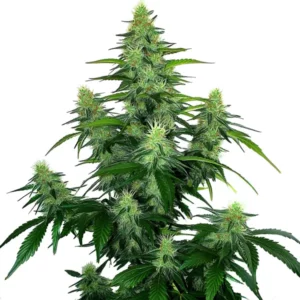
Green Crack
|
|
THC | 21% (Medium) |
|
|
Type | Feminized |
|
|
Yield | High |
|
|
Phenotype | 35% Indica / 65% Sativa |
To put it simply, managing nutrient antagonism in marijuana growing is crucial for healthy plants. Without careful attention, your plants might show signs of nutrient antagonism, like yellowing leaves or stunted growth. These are all red flags that something is amiss. Let’s dive deeper into how this can impact your harvest and how to prevent it.
Nutrient Antagonism Effects on Cannabis Yield
Nutrient antagonism affects your cannabis yield directly. When one nutrient blocks another, your plant can’t absorb the nutrients it needs. This can lead to poor growth and lower yields. It’s like trying to drive a car with a blocked fuel line no matter how much gas you put in, it won’t work efficiently.
Imagine growing a strain like Gorilla Grapefruit from Blimburn Seeds. Known for its potency and yield, it’s a dream for many growers. However, if calcium antagonizes magnesium uptake, your Gorilla Grapefruit might not reach its full potential. It’s a frustrating experience when your expected harvest falls short due to an unseen nutrient battle.
Knowing the nutrient antagonism effects on cannabis yield is vital for any cultivator looking to maximize their output. When nutrient antagonism goes unchecked, it can lead to a cascade of deficiencies, resulting in not only reduced yield but also compromised plant health. By keeping a close eye on nutrient levels, growers can mitigate these risks and ensure their plants thrive.
For those new to cannabis cultivation, consulting with experienced growers or using resources like Blimburn Seeds can offer valuable insights. These experts often have firsthand experience dealing with nutrient antagonism and can provide strategies to optimize nutrient absorption. With the right guidance, maintaining a balanced nutrient environment becomes a manageable task that safeguards your harvest.
Promos & Deals


Preventing Nutrient Imbalance in Cannabis Plants
Avoiding nutrient antagonism starts with balanced feeding. Knowing the right nutrient ratios is like having the perfect recipe. For example, nutrients like potassium and calcium need to be in harmony. Too much potassium can hinder calcium absorption, leading to weak stems and poor bud development.
Regularly testing your soil or growing medium can help. It’s like checking the oil in your car—necessary for smooth running. Use a reliable soil test kit to ensure your cannabis plants get the nutrients they need. For those growing a strain like Amnesia Haze from Blimburn Seeds, this step is crucial for maintaining its signature effects and flavors.
An essential part of preventing nutrient imbalance in cannabis plants is keeping a detailed record of all feedings and plant responses. This log can help identify trends that might indicate an emerging nutrient issue before it becomes a serious problem. Consistent monitoring allows for timely adjustments, ensuring that your plants maintain the necessary nutrient balance for optimal growth.
Growers should also consider environmental factors that can exacerbate nutrient antagonism, such as temperature and humidity levels. By controlling these variables, you create a more stable environment where plants can absorb nutrients more efficiently. This proactive approach not only prevents nutrient imbalances but also supports overall plant health and development.
Impact of Nutrient Antagonism on Cannabis Quality
Quality is king in cannabis cultivation. Nutrient antagonism can degrade that quality. If your plants don’t get what they need, the potency and aroma might suffer. Imagine cultivating a strain like Blue Dream from Blimburn Seeds. You expect vibrant buds with aromatic terpenes. However, nutrient antagonism could lead to dull colors and muted flavors.
Ensuring quality involves monitoring your plants closely. Look for signs like leaf discoloration or curling. These are often the first indicators of nutrient issues. Just like a chef adjusts seasoning, you may need to adjust your nutrient feed to restore balance.
The impact of nutrient antagonism on cannabis quality goes beyond just aesthetics; it affects the entire sensory profile of the product. Terpenes, which contribute to the aroma and flavor of the buds, can be particularly sensitive to nutrient imbalances. By maintaining a consistent nutrient profile, growers ensure that their cannabis retains its intended flavor and potency.
Moreover, the cannabinoid content, including THC and CBD levels, can be influenced by the plant’s ability to absorb nutrients effectively. Improper nutrient management can lead to plants that are less potent than expected. For high-quality strains from Blimburn Seeds, maintaining nutrient balance is integral to achieving the desired effects and ensuring customer satisfaction.
Signs of Nutrient Antagonism in Cannabis Cultivation
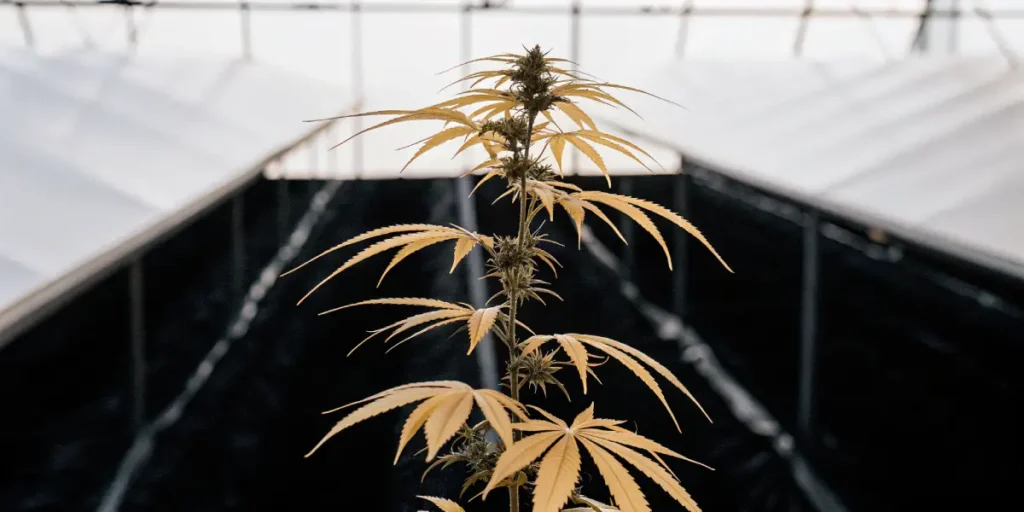
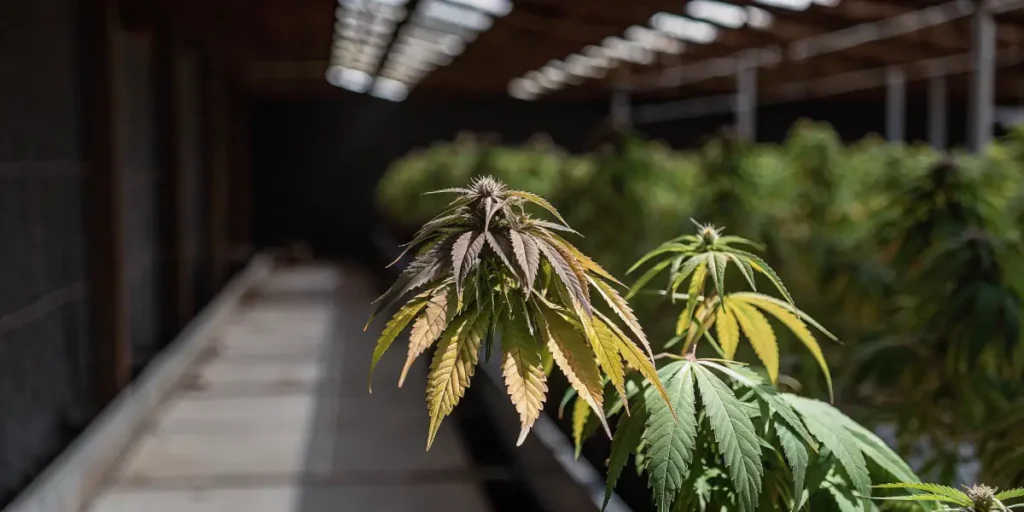
Recognizing the signs of nutrient antagonism early can save your harvest. Look for symptoms like yellowing leaves, which often indicate a lack of nitrogen due to an excess of another nutrient. It’s like a fever in humans—a clear sign something is wrong.
Stunted growth is another common sign. If your cannabis plants aren’t reaching their expected height, nutrient antagonism might be the culprit. For strains like Green Crack from Blimburn Seeds, known for its vigorous growth, this can be particularly disappointing.
Another indicator of nutrient antagonism in cannabis cultivation is poor root development. Roots are crucial for nutrient and water uptake, and when antagonism occurs, roots may not develop as expected. This can lead to additional stress on the plant and further nutrient deficiencies, compounding the issue.
Besides, leaf tip burn or the formation of necrotic spots can suggest that nutrient levels are unbalanced. These symptoms are often visible before more severe damage occurs, providing growers with the opportunity to adjust their nutrient regimen and correct the imbalance. Regular inspections are key to catching these signs early and taking corrective action.
Managing Nutrient Antagonism in Marijuana Growing
Managing nutrient antagonism involves careful monitoring and adjustment. Start by identifying the problematic nutrients. Once identified, you can adjust your feeding regimen accordingly. Sometimes, a simple tweak can make all the difference.
Flush your plants with pH-balanced water to clear any nutrient buildup. Think of it as resetting your plants’ nutrient intake. This can help restore balance and improve absorption efficiency. After flushing, resume feeding with adjusted nutrient levels.
Keeping a detailed log of feeding schedules and plant responses is an invaluable tool in managing nutrient antagonism in marijuana growing. This practice allows growers to pinpoint which adjustments lead to improved plant health and which do not. Over time, this knowledge base becomes a powerful resource for troubleshooting future nutrient issues.
Another effective strategy is to integrate organic amendments, such as compost teas, which can help buffer nutrient levels and promote beneficial microbial activity in the soil. These organic solutions contribute to a more balanced nutrient environment, reducing the risk of antagonism and supporting healthier plant growth. By combining these methods, growers can effectively manage nutrient antagonism and protect their harvests.
FAQs about can nutrient antagonism ruin my cannabis harvest
How can nutrient antagonism ruin my cannabis harvest?
Nutrient antagonism can ruin your cannabis harvest by inhibiting the absorption of key nutrients. If your plants can’t absorb what they need, growth is stunted, and yields decrease. This is particularly troubling for high-yielding strains like Gorilla Grapefruit from Blimburn Seeds. Without proper nutrient balance, the potential of your plants is compromised.
Imagine expecting a lush harvest only to find sparse buds. This happens when nutrient antagonism is not addressed. By ensuring a balanced nutrient supply, you can avoid this outcome and maximize your harvest potential.
In severe cases, nutrient antagonism can lead to irreparable damage during critical growth phases, such as flowering, when nutrient demand is highest. This can result in a drastic reduction in both quality and quantity, leaving growers with a disappointing harvest. Understanding and addressing nutrient antagonism proactively is essential to avoiding such detrimental effects.
Proactive measures, such as regular soil testing and tailored nutrient regimens, can prevent nutrient antagonism from becoming a harvest-ruining issue. By staying informed and vigilant, growers can maintain healthy plants and achieve robust yields, ensuring that their hard work is rewarded with a successful harvest.
What are common signs of nutrient antagonism in cannabis plants?
Common signs include yellowing leaves, stunted growth, and poor bud development. These symptoms occur because one nutrient is blocking another, preventing your plants from thriving. For instance, an excess of potassium might lead to calcium deficiencies, visible in weak stems.
Regularly checking your plants and acting on these signs can prevent bigger issues. It’s like catching a cold early before it turns into the flu. By addressing nutrient antagonism promptly, you can maintain plant health and improve yields.
Additional signs of nutrient antagonism may include leaf curling or cupping, a sign that the plant is under stress and unable to process nutrients effectively. This stress response can lead to further complications if not addressed promptly, affecting both the short-term health and long-term productivity of the plant.
Root discoloration or decay can also indicate nutrient antagonism. Healthy roots are typically a creamy white, but if nutrient uptake is compromised, roots may turn brown or black. Addressing these issues promptly ensures that nutrient uptake is restored and plant health is maintained.
How do I prevent nutrient imbalance in my cannabis plants?
Preventing nutrient imbalance starts with understanding the nutrient needs of your specific strain. Whether you’re growing Amnesia Haze or Blue Dream from Blimburn Seeds, each has unique requirements. Use a balanced nutrient mix and adjust as needed based on your plant’s growth stage.
Regular soil tests are essential. They help you understand what your plants are absorbing and what might be missing. By maintaining this balance, you ensure that your cannabis plants have everything they need to grow healthy and productive.
Implementing a rotational feeding schedule can also help prevent nutrient imbalance. By varying the types of nutrients supplied at different stages of growth, you ensure that your plants receive a diverse range of nutrients without risking excess or deficiency.
Collaborating with other growers and sharing observations about nutrient management can provide valuable insights and tips. This community approach helps spread knowledge about effective nutrient management techniques and can lead to new strategies for preventing imbalances and maximizing plant health.
Can nutrient antagonism affect the quality of my cannabis?
Yes, nutrient antagonism can greatly affect cannabis quality. When plants don’t receive the right nutrients, the potency, aroma, and flavor can suffer. This is especially important for quality strains like Blue Dream, where terpene profiles are key to the experience.
Quality control involves more than just genetics. It requires active management of your growing environment and nutrients. By keeping an eye on nutrient balance, you can preserve the quality and ensure a superior end product.
Furthermore, the visual appeal of your cannabis can be compromised by nutrient antagonism. Buds may not develop the desired density or coloration, impacting their marketability and consumer appeal. By managing nutrient levels carefully, growers can produce visually stunning cannabis that commands a premium.
The overall smoking experience can also be affected if nutrient antagonism is not addressed. Harshness or an unpleasant aftertaste may result from nutrient imbalances, detracting from the enjoyment of the product. Maintaining nutrient balance is crucial for delivering a smooth and satisfying experience.
How do I manage nutrient antagonism effectively?
Effective management involves careful observation and timely adjustments. Start with a balanced nutrient regimen and monitor your plants for signs of distress. If issues arise, flush your plants with water to reset nutrient levels.
Maintaining detailed records of feeding schedules and plant responses helps identify patterns. Over time, these insights will help you fine-tune your approach, minimizing the risk of nutrient antagonism and maximizing your harvest.
Utilizing technology, such as digital sensors and automated nutrient delivery systems, can aid in managing nutrient antagonism. These tools provide real-time data on nutrient levels and plant conditions, allowing for precise adjustments that optimize nutrient uptake.
Participating in grower forums and attending workshops can also expand your knowledge on managing nutrient antagonism. Learning from experts and other experienced growers can provide new perspectives and techniques to incorporate into your cultivation practices, enhancing your ability to manage nutrient antagonism effectively.