Best Cal-Mag for Cannabis: Top Picks and How to Use It

Quick answer: The best cal-mag for cannabis is a supplement that supplies calcium and magnesium (and often iron) to prevent the deficiencies common in coco coir and hydro, and in soft or filtered water. A well-balanced liquid like Botanicare Cal-Mag Plus is a popular choice, but the right product depends on your medium. Use it to fix or prevent deficiency, not as a routine overdose.
Cal-mag is a supplement that provides two essential secondary nutrients, calcium and magnesium, that cannabis needs in larger amounts than people often realise. Many standard nutrient lines do not include enough of them, and certain setups, coco coir, hydroponics, and grows using soft or reverse-osmosis water, run short almost by default, which is why a dedicated cal-mag is so widely used.
Recommended Strains

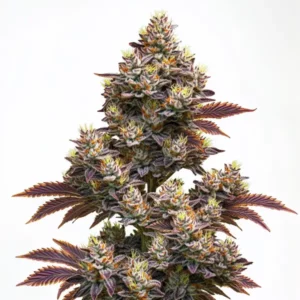
Banana Kush

|
THC | 17% - 21% (Medium) |

|
Type | Feminized |

|
Yield | High |

|
Phenotype | 60% Indica / 40% Sativa |
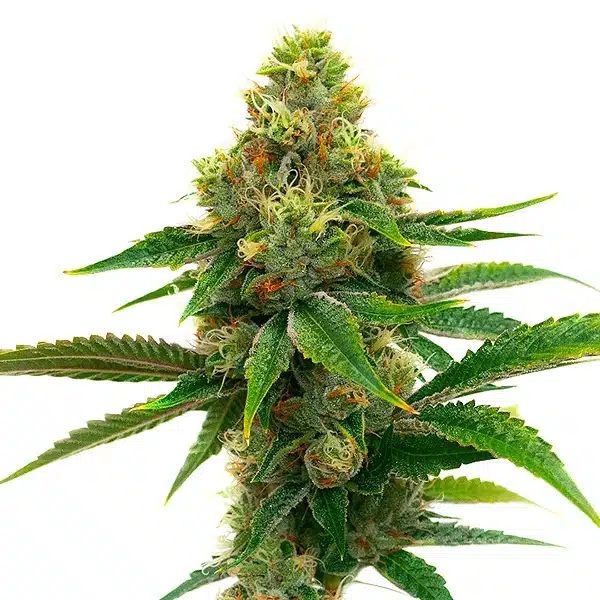
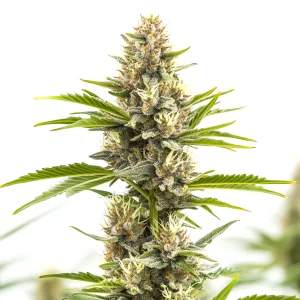
Banana Cream
|
|
THC | 28% - 30% (High) |
|
|
Type | Feminized |
|
|
Yield | Medium |
|
|
Phenotype | 70% Indica / 30% Sativa |
Choosing the right one is less about the brand and more about matching it to your medium. The table below compares the main types; after it, we cover what calcium and magnesium actually do, how to spot a deficiency, and how to dose cal-mag without overdoing it.
| Type | Best for | Notes |
|---|---|---|
| Liquid cal-mag (e.g. Botanicare Cal-Mag Plus) | Hydro, coco, fast fixes | Quick uptake; easy to dose per gallon |
| Granular / dry cal-mag | Soil, slow feeding | Slow-release; mix into the medium |
| Organic (dolomite lime, gypsum, worm castings) | Living soil | Gentle, long-term; low burn risk |
| Coco-specific cal-mag | Coco coir grows | Coco binds calcium; needs extra cal-mag |
What Cal-Mag Does for Cannabis
Calcium builds strong cell walls and supports root development and nutrient uptake, so a shortage leaves plants weak and stunted, like a house without a solid frame. Magnesium sits at the centre of every chlorophyll molecule, making it essential for photosynthesis; without it, leaves yellow between the veins and the plant cannot make energy efficiently.
Cal-mag supplies both together, which is why it is such a convenient fix. If only magnesium is short, a simple magnesium sulfate (epsom salt) dose can correct it, and our guide on epsom salt for weed plants covers the amounts. But when both calcium and magnesium are low, or your medium is prone to it, a balanced cal-mag is the better tool.
Promos & Deals
Signs of Calcium or Magnesium Deficiency
The two deficiencies look a little different. Magnesium shortage shows first on older, lower leaves as yellowing between the veins (interveinal chlorosis) while the veins stay green. Calcium shortage tends to hit newer growth, with distorted or curling young leaves, brown or necrotic spots, and weak stems.
Both often appear together, especially in coco and hydro, which is why cal-mag treats them as a pair. Catching the signs early and correcting pH (so the nutrients can actually be absorbed) matters as much as adding the supplement itself, since lockout from bad pH mimics a true deficiency.
How to Use Cal-Mag
For most growers, a liquid cal-mag added to your feed water is the simplest route, following the label dose (commonly a few millilitres per gallon) and adjusting to your medium. Coco coir binds calcium, so coco growers usually need cal-mag from the start, while living-soil growers may only need it occasionally or via organic amendments like dolomite lime or gypsum.
The main rule is not to overdo it: too much calcium or magnesium can lock out other nutrients like potassium, so treat cal-mag as a targeted supplement rather than something to pour in heavily. For a full feeding plan, see our guide to the best nutrients for cannabis, and to read deficiency symptoms, our guide to yellow leaves with spots.
When and How Much Cal-Mag to Use
Timing depends on your setup. In coco and hydro, many growers add cal-mag from the seedling stage onward, because these media provide little or no calcium and magnesium naturally. In soil, add it only when deficiency signs appear or if you use soft or reverse-osmosis water that has been stripped of minerals.
For dosing, follow the product label, which is usually a few millilitres of liquid cal-mag per gallon of feed water, and adjust to how the plant responds. Resist the urge to overdo it: excess calcium or magnesium can lock out potassium and create new problems. Always correct root-zone pH first, since lockout from the wrong pH looks exactly like a deficiency.

FAQs about Cal Mag for Plants
What does cal-mag do for weed plants?
Cal-mag supplies calcium and magnesium, two nutrients cannabis needs in larger amounts. Calcium strengthens cell walls and roots; magnesium powers photosynthesis through chlorophyll. Together they prevent common deficiencies, especially in coco, hydro and soft-water grows, keeping leaves green and growth strong. It is a corrective supplement, not a growth booster for already-healthy plants.
Do I need cal-mag in soil?
Often less than in coco or hydro. Good living soil usually contains enough calcium and magnesium, so you may only need cal-mag if deficiency symptoms appear or you use soft/RO water. Coco coir binds calcium and hydro has none naturally, so those setups almost always need cal-mag. Diagnose before dosing.
Is cal-mag the same as epsom salt?
No. Epsom salt is magnesium sulfate, so it only provides magnesium (and sulfur). Cal-mag provides both calcium and magnesium, often with iron too. Use epsom salt for a magnesium-only shortfall, and cal-mag when calcium is also low or your medium (like coco) is prone to both deficiencies.
Can you use too much cal-mag?
Yes. Overdoing cal-mag raises calcium and magnesium to levels that can lock out other nutrients, especially potassium, causing new deficiencies. Stick to the label dose, use it to correct or prevent a real shortfall rather than as a routine heavy additive, and check pH first, since lockout can mimic the very deficiency you are trying to fix.
When should I add cal-mag to my feeding schedule?
Add it throughout the grow in coco and hydro, where media lack calcium and magnesium, usually from the seedling stage. In soil, add it only if deficiency signs appear or you use soft/RO water. Mix it into your feed water at the label rate and adjust to how the plant responds.
How to store cal mag supplements?
Store cal mag supplements in a cool, dry place away from direct sunlight. Proper storage conditions, such as temperatures between 50°F and 70°F (10°C and 21°C), help maintain their potency and extend shelf life, ensuring effective nutrient delivery.