The Martian Grow Project: Assessing Cannabis for Extra-Terrestrial Agriculture

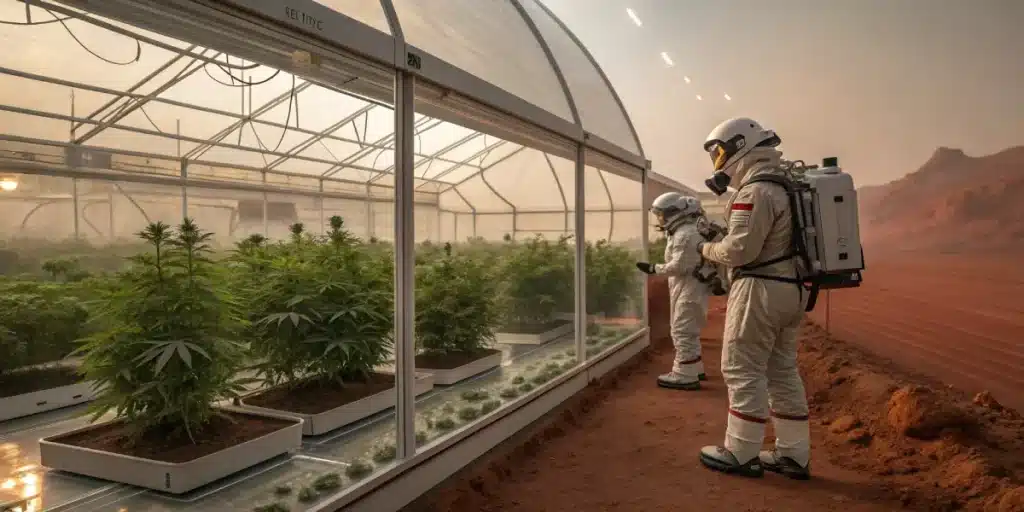
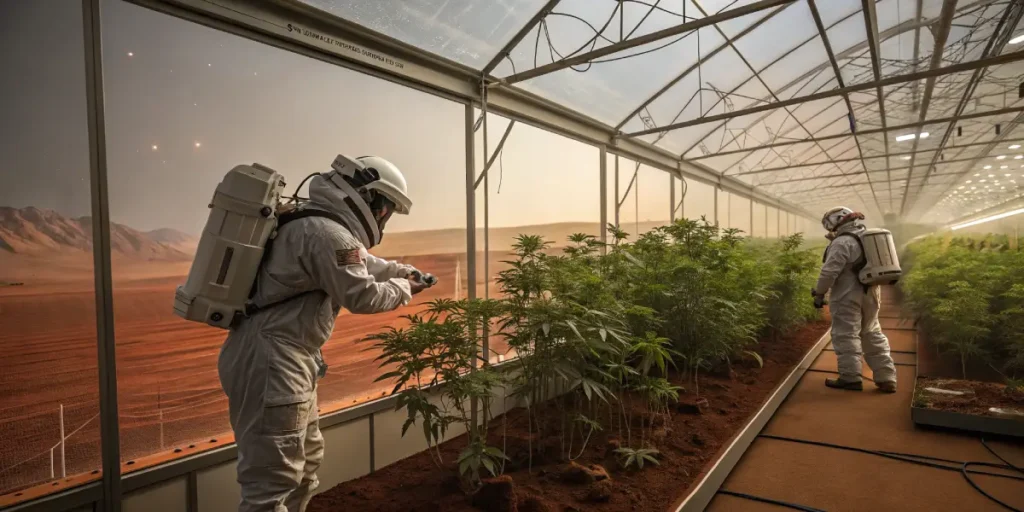
As humanity prepares for long-duration missions to Mars, the focus of aerospace botany has shifted toward “multi-purpose crops.” Cannabis has emerged as a high-value candidate for Bioregenerative Life Support Systems (BLSS). The Martian Grow initiative represents one of the first organized efforts to analyze how cannabis seeds respond to the dual stressors of microgravity and unfiltered cosmic radiation.
The MayaSat-1 Mission: A Leap into the Void
The pioneering phase of the Martian Grow Project involved launching over 150 cannabis seeds aboard the MayaSat-1 capsule from Vandenberg Air Force Base.
Recommended Strains
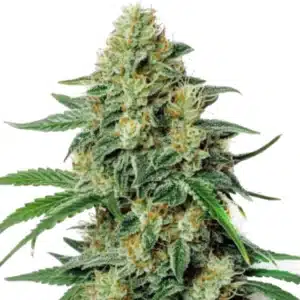
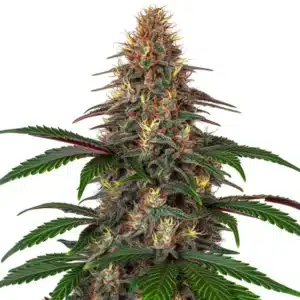
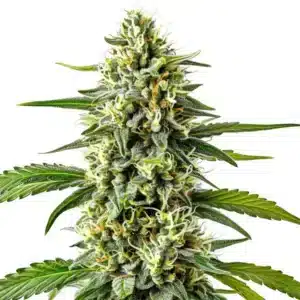
Northern Lights #5 x Amnesia Haze

|
THC | 16% - 24% (Medium) |

|
Type | Feminized |

|
Yield | Medium |

|
Phenotype | 40% Indica / 60% Sativa |
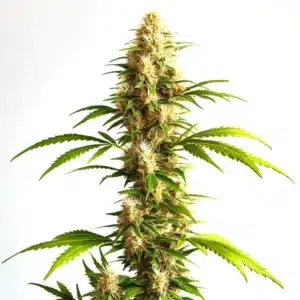
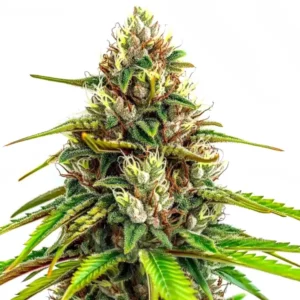
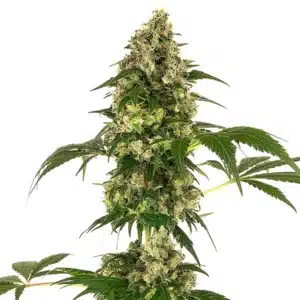
Critical 2.0 Auto
|
|
THC | 18% - 20% (Medium) |
|
|
Type | Autoflowering |
|
|
Yield | Medium |
|
|
Phenotype | 60% Indica / 40% Sativa |
- The Experiment: During a high-altitude orbit, the seeds were exposed to solar radiation levels impossible to replicate within Earth’s magnetosphere.
- The Setback: Despite a successful orbital phase, a parachute failure during reentry led to the loss of the physical samples.
- The Legacy: While the biological material was lost, the telemetry and environmental data collected have laid the groundwork for “Space-Adapted” breeding programs, proving that cannabis embryos can survive the initial stresses of launch and extreme thermal fluctuations.
Promos & Deals


Why Cannabis? The Triple-Threat Crop for Mars
In the resource-constrained environment of a Martian colony, every gram of biomass must serve multiple functions. Cannabis excels in three critical areas:
Atmospheric Regulation and Oxygen Production
Cannabis is a fast-growing C3 plant with a high rate of photosynthesis. In a closed-loop system, it serves as a powerful CO₂ scrubber, converting the carbon dioxide exhaled by astronauts into breathable oxygen and plant sugars at a rate faster than most traditional food crops.
Phytoremediation of Martian Regolith
One of the most significant hurdles for Mars colonization is the presence of perchlorates (toxic salts) in the soil. Cannabis is a known hyperaccumulator, used on Earth for phytoremediation, the process of cleaning contaminated soil. Early theories suggest cannabis could be used to “pre-treat” Martian regolith, absorbing toxins before food crops are planted.
Pharmacological Support
Long-duration spaceflight causes muscle atrophy, bone density loss, and significant psychological stress. The production of targeted cannabinoids (CBD for inflammation and THC for pain/nausea) provides a renewable, plant-based pharmacy that reduces dependency on shelf-stable synthetic drugs that degrade under radiation.
Genetic Selection for Space Environments
For the next phase of space agriculture, researchers focus on strains with high phenotypic plasticity. The following profiles represent the ideal genetic blueprints for orbital or Martian cultivation:
| Genetic Profile | Space Advantage | Estimated Flowering |
| Northern Lights 5 x Amnesia | High genetic stability; minimizes mutation risks in high-radiation zones. | 9–10 Weeks |
| Critical 2.0 Auto | Ruderalis genetics allow for growth independent of light-cycle failures. | 8–9 Weeks |
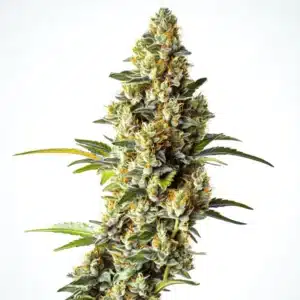
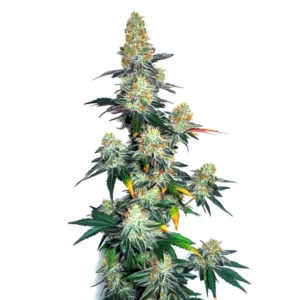
| Cinderella 99 x Somango | High terpene intensity (Limonene) to aid astronaut mood and mental focus. | 8–9 Weeks |
Technical Protocol for Extra-Terrestrial Cultivation
To transition from theory to harvest, Martian grow systems require space farmers to master the physics of microgravity fluids and radiation shielding.
Radiation and Genetic Drift
Cosmic radiation can cause “double-strand breaks” in DNA. While this often leads to harmful mutations, controlled exposure may trigger adaptive radiation, potentially creating new varieties with higher resin production as a defense mechanism against UV-C light.
Climate Control in Hubs
To prevent “Bud Rot” (Botrytis) in the high-humidity recycled air of a space habitat, strict parameters must be maintained:
- Vegetative Phase: 60–70% Humidity / 20°C–25°C.
- Flowering Phase: 40–50% Humidity (critical to prevent moisture trapping in dense colas).
- VPD (Vapor Pressure Deficit): Must be monitored to ensure plants can “transpire” correctly in low-gravity environments where air does not rise or fall naturally.
Lighting and Photoperiods
Space agriculture relies on LED arrays. For Autoflowering varieties, a 20/4 light cycle is recommended to maximize caloric intake and biomass production, whereas photoperiod strains require a strict 12/12 cycle to trigger the hormonal shift into flowering.
FAQs about Martian Grow
What is “Spaceweed”?
It is a colloquial term for cannabis involved in orbital research. Scientifically, it refers to “Space-Exposed Germplasm”seeds that have undergone vacuum or radiation stress to test their viability for future colonies.
Can you bring plants to space today?
Yes, but under strict “Biosecurity Level” protocols. Plants like lettuce and radishes are currently grown on the ISS (Veggie Project). Cannabis is currently limited to unmanned missions (like MayaSat-1) or private orbital labs due to current ISS regulations.
How does microgravity affect the “weight” of the harvest?
While the plant has no weight in free-fall, its mass remains the same. The challenge is not the weight of the buds, but the structural integrity of the branches, which may require artificial supports (trellising) because the plant lacks the “wind stress” and “gravity stress” that normally strengthen the stalks on Earth.
Will radiation make the cannabis more potent?
It is a possibility currently under study. On Earth, cannabis produces trichomes partly to protect itself from UV radiation. In space, increased radiation levels might trigger a “stress-response” that increases resin and cannabinoid production as a biological shield.