How to Grow White Fire OG Weed Strain

Quick Summary: The White Fire OG strain (WiFi OG) is a high-potency hybrid (24-28% THC) requiring precise PAR lighting and a strict NPK regimen. It excels in controlled indoor setups, offering a balanced “Entourage Effect” driven by high Limonene and Myrcene content.
Growing the White Fire OG Strain
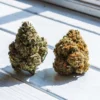
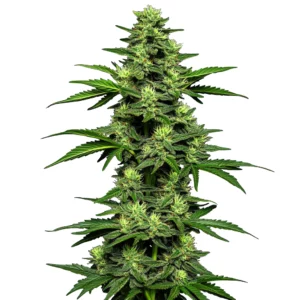
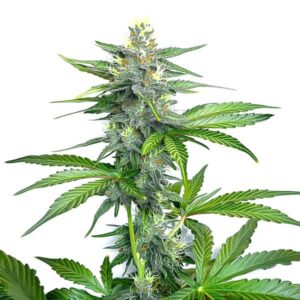
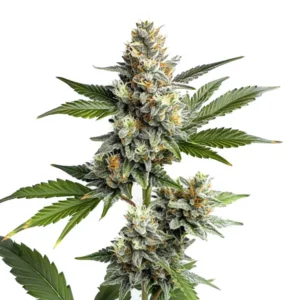
The White Fire OG, frequently referred to as WiFi OG, represents the pinnacle of modern hybridization, merging the resinous “The White” with the terpene-heavy “Fire OG.” Biologically, this strain is a powerhouse of secondary metabolites. Its chemical profile is dominated by high concentrations of Limonene, Myrcene, and Caryophyllene. When these terpenes interact with its massive THC payload, they trigger the Entourage Effect, which modulates the high to provide intense mental clarity alongside significant physical analgesia.
Recommended Strains
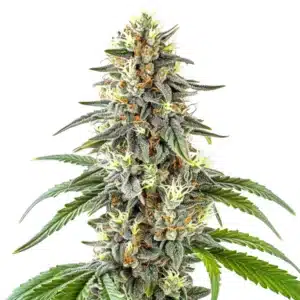
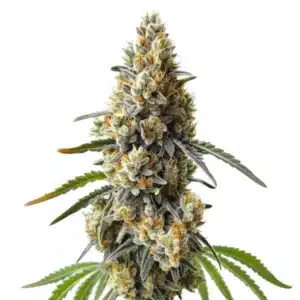
White Fire OG

|
THC | 24% - 28% (High) |

|
Type | Feminized |

|
Yield | High |

|
Phenotype | 50% Indica / 50% Sativa |
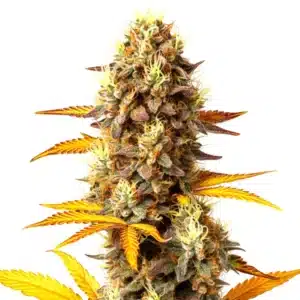
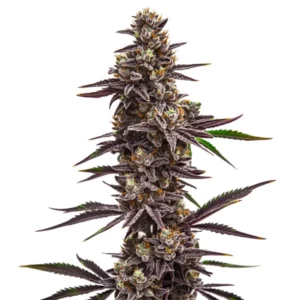
Fire OG
|
|
THC | 18% - 22% (Medium) |
|
|
Type | Feminized |
|
|
Yield | Medium |
|
|
Phenotype | 70% Indica / 30% Sativa |
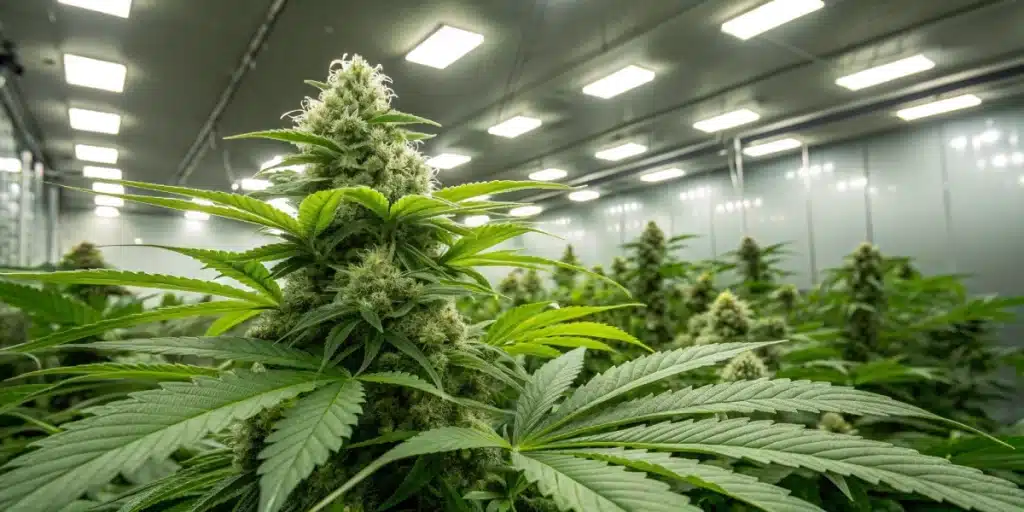
To achieve the “frosty” aesthetic typical of the white fire og strain, growers must understand the plant’s metabolic demands. The thick layer of crystalline trichomes is the plant’s defense mechanism against UV radiation and transpiration. By optimizing the environment to mimic high-altitude light intensity while maintaining strict humidity controls, you encourage the plant to maximize resin production as a protective response, resulting in the high-potency flower sought by connoisseurs.
Environmental Parameters: PAR, PPFD, and DLI
For the white fire og strain, generic “bright light” is insufficient. During the vegetative stage, plants require a Photosynthetic Photon Flux Density (PPFD) of 400–600 µmol/m²/s. As they transition to flowering, this must be increased to 800–1,000 µmol/m²/s. Utilizing high-efficiency full-spectrum LEDs allows for the delivery of these intensities without the excessive infrared heat associated with HPS lamps, which can volatilize delicate terpenes like Pinene.
The Daily Light Integral (DLI) should be targeted at 30–45 mol/m²/d during peak bloom. If you are utilizing CO2 enrichment (targeting 1,200–1,500 ppm), the plant can handle higher PPFD levels up to 1,200 µmol/m²/s, significantly increasing the rate of photosynthesis and, consequently, the final dry weight. However, without elevated CO2, these light levels will lead to photo-oxidation and nutrient lockout.
Promos & Deals
Technical Comparison: White Fire OG and Related Phenotypes
| Technical Metric | White Fire OG | Fire OG | OG Kush |
|---|---|---|---|
| Genotype Ratio | 60% Sativa / 40% Indica | 30% Sativa / 70% Indica | 45% Sativa / 55% Indica |
| Target Flowering PPFD | 900+ µmol/m²/s | 800 µmol/m²/s | 750-850 µmol/m²/s |
| Primary Terpene | Limonene (Uplift/Focus) | Myrcene (Sedation) | Caryophyllene (Spice) |
| Nutrient Demand | High (Aggressive Feed) | Medium (Sensitive to salts) | Moderate (Cal-Mag hungry) |
| Flowering Duration | 63 – 70 Days | 65 – 75 Days | 56 – 63 Days |
| Stretch Factor | High (2x – 2.5x) | Moderate (1.5x) | Moderate (1.8x) |
Nutrient Management and NPK Ratios
The white fire og strain is notoriously “hungry” for nutrients due to its vigorous metabolic rate. During the vegetative phase, maintain an NPK ratio of 3-1-2 or 4-1-2. Nitrogen is the primary component of the chlorophyll molecule; a deficiency here will lead to early senescence and reduced leaf surface area, directly impacting the plant’s ability to drive photosynthesis. Supplement with chelated Iron and Zinc to support enzyme function.
Upon switching to a 12/12 photoperiod, transition the NPK ratio toward 1-3-2 and eventually 0-5-4 in late bloom. Phosphorus is critical for ATP production (energy transfer) during flower formation, while Potassium regulates the opening and closing of stomata and water use efficiency. WiFi OG is also a heavy consumer of Calcium and Magnesium; ensure a consistent supply of these secondary macronutrients to prevent interveinal chlorosis and ensure strong cell wall structure in the dense buds.
Integrated Pest Management (IPM) and Disease Control
The dense structure of white fire og buds makes them susceptible to Botrytis cinerea (Bud Rot). A strict IPM protocol is mandatory. Maintain a relative humidity (RH) of less than 45% during the final three weeks of flowering. Increasing airflow via horizontal and vertical oscillation fans breaks the boundary layer of air around the leaves, preventing moisture accumulation that fungi exploit.
For pests such as Spider Mites (Tetranychus urticae), utilize a preventative release of predatory mites like Phytoseiulus persimilis. If an infestation occurs in veg, use a 0.5% solution of Potassium Salts of Fatty Acids (Insecticidal Soap). Avoid oily sprays during the flowering stage to protect the trichome integrity and ensure a clean white fire og strain effects experience, free from chemical residues.
Professional Cultivation Tips
- Silicon Supplementation: Use Potassium Silicate throughout the lifecycle. Silicon strengthens cell walls, making the stems capable of supporting the heavy weight of WiFi OG colas without snapping.
- The “FIM” Technique: Instead of traditional topping, use the “Fuck I Missed” method to leave 10% of the growth tip intact. This often results in 4+ main colas instead of two, maximizing the canopy efficiency for this specific hybrid.
- Cold Curing: To preserve the volatile Limonene profile, cure your white fire og buds at 60°F (15°C) and 60% humidity for a minimum of 21 days. This allows for the slow breakdown of chlorophyll without losing the piney, citrus aroma.
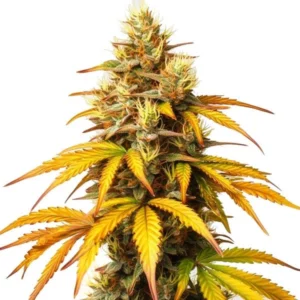
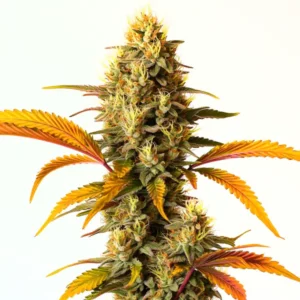
- Late-Bloom Temperature Drop: Reducing night temperatures to 62°F (16°C) in the final two weeks can trigger anthocyanin production, adding purple hues to the sugar leaves and enhancing the visual appeal of the frosty buds.
FAQs About Growing White Fire OG Weed Strain
What is the ideal climate for White Fire OG?
The white fire og strain requires a Mediterranean-style climate with high light intensity and low humidity. Indoors, maintain 70-80°F during the day. Keeping the humidity strictly below 50% during flowering is crucial to prevent bud rot in its exceptionally dense flowers. It thrives best in environments where temperature and moisture are monitored by high-accuracy hygrometers.
How long does White Fire OG take to flower?
White Fire OG typically requires a flowering period of 9 to 10 weeks (63-70 days). While some phenotypes may appear ready at day 56, waiting for the full 10 weeks allows the trichome heads to transition from clear to a milky-white/amber mix, which is essential for achieving the full spectrum of white fire og strain effects.
What are the main effects of White Fire OG Weed Strain?
The white fire og strain effects are characterized by a potent “heady” high that transitions into deep physical relaxation. Due to its high THC content and the presence of alpha-pinene, users often report increased focus and social energy initially, followed by a heavy muscle-relaxant effect as the myrcene takes hold. It is ideal for creative tasks or evening relaxation.
Can beginners grow White Fire OG?
While WiFi OG is resilient, it is better suited for intermediate growers due to its aggressive stretch and high nutrient demands. Beginners can succeed by using large containers to buffer pH fluctuations and by implementing trellis netting early to manage the plant’s significant height increase during the first three weeks of the flowering stage.
What are the main terpenes in White Fire OG?
The primary terpenes in the white fire og strain are Limonene, Myrcene, and Beta-Caryophyllene. This combination provides its signature aroma of fuel, earth, and sour citrus. These compounds are not just for scent; they facilitate the passage of cannabinoids through the blood-brain barrier, enhancing the overall potency and therapeutic value of the harvest.