How to Grow Purple Kush Auto Strain

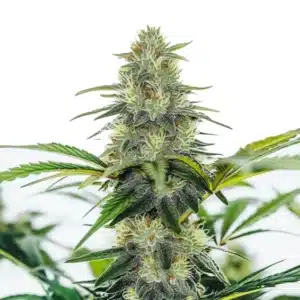
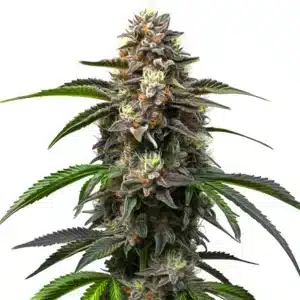
Purple Kush Autoflower: A Cultivation Favorite: Purple Kush Autoflower is a robust strain known for its ease of growth and potent effects. It typically reaches maturity in 70-80 days from seed, with THC levels ranging from 15% to 20%. Ideal for both indoor and outdoor cultivation, this strain offers growers a reliable option for producing dense, resinous buds with a sweet, fruity aroma.
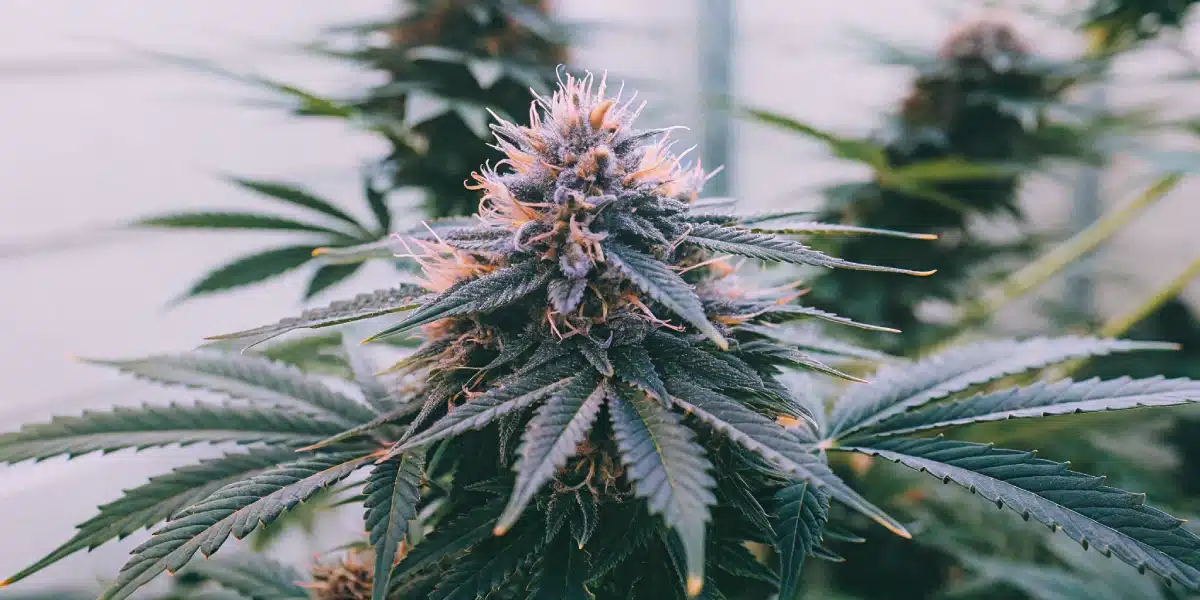
Purple Kush Autoflower stands out with its vibrant purple hues and sweet, fruity aroma. This strain is perfect for growers looking for a compact plant with a quick turnaround. Its unique terpene profile, rich in Alpha-Pinene and Beta-Caryophyllene, contributes to its relaxing effects and medicinal benefits. With a flowering time of just 8 to 10 weeks, it’s a practical choice for both novice and experienced growers.
Recommended Strains

Purple Kush Autoflower

|
THC | 15% - 20% (Medium) |

|
Type | Autoflowering |

|
Yield | Low |

|
Phenotype | 70% Indica / 30% Sativa |
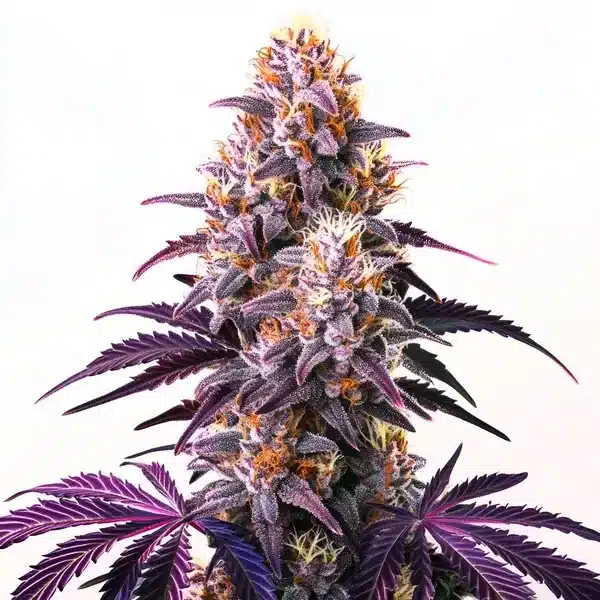
Purple Kush
|
|
THC | 17% - 27% (High) |
|
|
Type | Feminized |
|
|
Yield | High |
|
|
Phenotype | 70% Indica / 30% Sativa |
Overview of Purple Kush Autoflower
Genetic Background and Characteristics
Purple Kush Autoflower is a cross between the classic Purple Kush and Ruderalis, resulting in a strain that is both resilient and easy to cultivate. This autoflowering variety is known for its compact size, typically reaching heights of 24-36 inches (60-90 cm), making it ideal for indoor setups with limited space. The strain’s genetics ensure a consistent flowering period, regardless of light cycles, which is a hallmark of autoflowering strains.
With THC levels ranging from 15% to 20%, Purple Kush Autoflower delivers a potent, calming high that is perfect for relaxation and pain relief. The strain’s terpene profile, dominated by Alpha-Pinene (0.5-0.8%) and Beta-Caryophyllene (0.4-0.7%), enhances its therapeutic effects, offering anti-inflammatory and stress-relieving benefits. These terpenes also contribute to its sweet, earthy aroma with hints of pine and spice.
Environmental Requirements for Optimal Growth
Creating the right environment is crucial for maximizing the yield and potency of Purple Kush Autoflower. This strain thrives in temperatures between 70-80°F (21-27°C) and prefers a humidity level of 60% during the vegetative phase, reducing to 40% during flowering to prevent mold. Proper ventilation and high-quality lighting, such as LED or HPS lights, are essential for indoor grows.
For outdoor cultivation, choose a location with ample sunlight and well-draining soil enriched with organic matter. Purple Kush Autoflower benefits from an 18-20 hour light cycle throughout its lifecycle, ensuring robust growth and dense bud formation. When grown outdoors, expect yields of 2-3 oz/plant (60-90 g/plant).
Promos & Deals

Growing Purple Kush Autoflower Indoors
Setting Up Your Grow Space
Setting up an efficient indoor grow space is key to successful cultivation. Use reflective materials to maximize light distribution and install an exhaust system with a carbon filter to manage odors. The growing medium should be well-aerated, with a balanced pH between 6.0 and 6.5 to promote nutrient absorption. Maintain consistent temperatures and humidity levels to optimize plant health.
Implementing a 20/4 light schedule can enhance growth during the vegetative stage. This schedule allows for maximum light exposure while providing a rest period for the plants. Ensure the grow space is equipped with fans to promote air circulation, reducing the risk of mold and pests. Regularly monitor environmental conditions to maintain optimal growing conditions.
Environmental Requirements
Maintaining the right environmental conditions is crucial for maximizing yield and potency. Purple Kush Autoflower thrives in stable temperatures of 70-80°F (21-27°C) and humidity levels of 60% during vegetative growth, dropping to 40% during flowering. Proper ventilation and high-quality lighting, such as LED or HPS, are essential for indoor cultivation.
Ensure that your grow space is equipped with fans to promote air circulation and reduce the risk of mold and pests. Regularly monitor environmental conditions to maintain optimal growing conditions. Implementing a 20/4 light schedule can enhance growth during the vegetative stage, allowing for maximum light exposure while providing a rest period for the plants.
Growing Purple Kush Autoflower Outdoors
Best Practices for Outdoor Cultivation
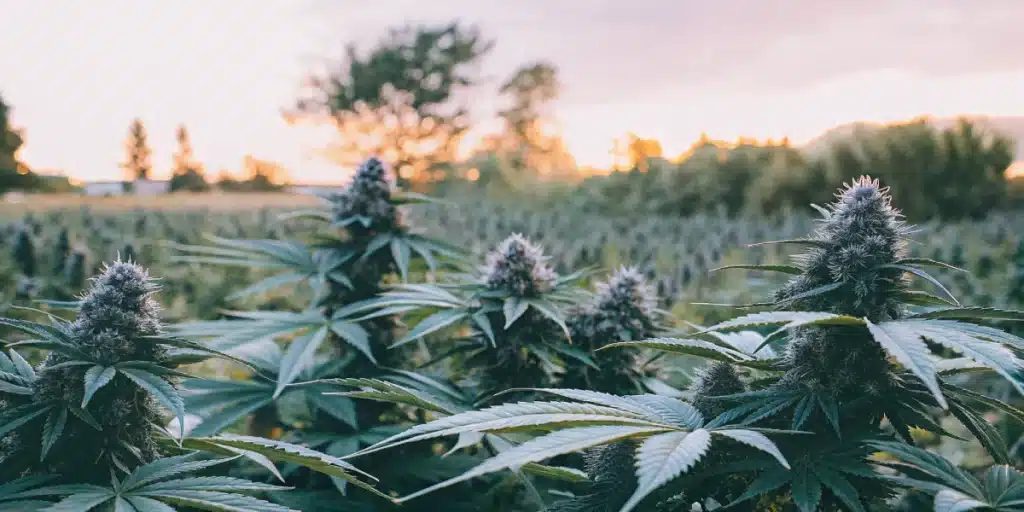
When growing Purple Kush Autoflower outdoors, select a location with ample sunlight and well-draining soil enriched with organic matter. This strain benefits from a consistent light cycle and can thrive in various climates, provided that temperatures remain between 70-80°F (21-27°C). Protect the plants from extreme weather conditions by positioning them near a fence or under a protective cover.
Outdoor growers can expect yields of 2-3 oz/plant (60-90 g/plant). To support the plant’s growth, use stakes or trellises to prevent branches from bending under the weight of dense buds. Regularly inspect plants for signs of pests or diseases and take preventive measures to ensure healthy growth.
Environmental Considerations
Outdoor cultivation of Purple Kush Autoflower requires careful attention to environmental factors. Ensure that plants receive at least 6-8 hours of direct sunlight daily. Soil should be well-draining and enriched with organic matter to support healthy root development. Regular watering is essential, but avoid overwatering to prevent root rot.
Monitor weather conditions closely, as extreme temperatures or heavy rainfall can impact plant health. Consider using protective covers or positioning plants near a fence to shield them from harsh weather. Regularly inspect plants for signs of pests or diseases and take preventive measures to ensure healthy growth.
| Feature | Purple Kush Autoflower | Blue Head Band Auto | Blackberry Moonstones Auto |
|---|---|---|---|
| THC Content | 15-20% | 18-22% | 20-24% |
| Flowering Time | 8-10 weeks | 9-10 weeks | 9-11 weeks |
| Dominant Terpene | Alpha-Pinene | Myrcene | Limonene |
| Yield Indoor | 1.5-2 oz/ft² (450-600 g/m²) | 1.8-2.2 oz/ft² (550-680 g/m²) | 1.6-2.1 oz/ft² (500-650 g/m²) |
| Height | 24-36 inches (60-90 cm) | 30-40 inches (75-100 cm) | 28-38 inches (70-95 cm) |
Week-by-Week Growing Guide
Seedling Stage
During the seedling stage, maintain temperatures between 75-80°F (24-27°C) with humidity levels around 60-70%. Provide gentle airflow and indirect light to encourage healthy growth. Germinate seeds by soaking them in distilled water or wrapping them in a damp paper towel for 24-48 hours until taproots appear.
Once germinated, plant seedlings in a light, well-draining seedling mix. Ensure the grow space is equipped with fans to promote air circulation and reduce the risk of mold and pests. Regularly monitor environmental conditions to maintain optimal growing conditions.
Vegetative Stage
During the vegetative stage, Purple Kush Autoflower requires 18-20 hours of light per day. Use a nitrogen-rich nutrient formula to promote robust leaf and stem growth. Monitor the plants regularly to ensure they receive adequate water without becoming waterlogged.
Training techniques like low-stress training (LST) can help maximize light exposure and encourage even canopy growth. Prune lower branches to improve airflow and reduce the risk of pests or disease. Maintain temperatures between 70-80°F (21-27°C) and humidity levels around 60%.
Flowering Stage
As Purple Kush Autoflower enters the flowering stage, adjust environmental conditions to enhance bud development. Maintain a 12-hour light cycle for consistent flowering, though autoflowers will generally flower regardless of light schedule. Reduce humidity to around 40% to prevent mold and increase resin production.
Switch to a bloom-specific nutrient formula higher in phosphorus and potassium. Support the branches with stakes if necessary to prevent them from bending under the weight of the dense buds. The flowering phase typically lasts 8 to 10 weeks.
Professional Tips for Growing Purple Kush Autoflower
- Maintain 70-80°F (21-27°C) during growth. Temperatures outside this range can stress plants, reducing yield and potency. Use a digital thermometer for accuracy.
- Ensure 18-20 hours of light daily. Inconsistent lighting can delay growth and lower THC levels. Invest in a timer to automate light cycles.
- Keep humidity at 60% during vegetative and 40% during flowering. High humidity promotes mold, while low humidity can stunt growth. Use a hygrometer for monitoring.
- Use a nitrogen-rich fertilizer in the vegetative stage. Lack of nitrogen leads to yellowing leaves and poor growth. Follow the manufacturer’s dosage instructions.
- Switch to a phosphorus-potassium-rich formula during flowering. This supports bud development and increases resin production. Avoid over-fertilizing to prevent nutrient burn.
- Regularly inspect for pests. Early detection prevents infestations that can devastate crops. Use neem oil as a natural deterrent.
FAQs about Purple Kush Autoflower
How does Purple Kush Autoflower compare to Auto Purple Strain?
Purple Kush Autoflower offers a more compact growth and a quicker flowering time of 8-10 weeks compared to Auto Purple’s 10-12 weeks. Both strains deliver relaxing effects, but Purple Kush has a higher THC range of 15-20%, making it more potent. Auto Purple is known for its sweeter aroma.
What are the best conditions for growing Purple Kush Autoflower indoors?
For optimal indoor growth, maintain temperatures between 70-80°F (21-27°C) and humidity at 60% during vegetative and 40% during flowering. Use high-quality LED lights with an 18-20 hour light cycle. Ensure proper ventilation to prevent mold and pests, and monitor conditions regularly.
Can Purple Kush Autoflower be grown outdoors in cold climates?
Yes, but it requires protection from extreme temperatures. Use a greenhouse or protective cover to maintain temperatures between 70-80°F (21-27°C). Ensure soil is well-draining and enriched with organic matter. Regularly monitor weather conditions and provide additional warmth if necessary.
What are common mistakes when growing Purple Kush Autoflower?
Common mistakes include overwatering, incorrect pH levels, and neglecting airflow. Overwatering can lead to root rot, while incorrect pH (outside 6.0-6.5) hinders nutrient absorption. Poor airflow increases mold risk. Regularly monitor conditions and adjust as needed to prevent these issues.
How do I maximize the yield of Purple Kush Autoflower?
Maximize yield by maintaining ideal temperatures (70-80°F/21-27°C), using a nitrogen-rich fertilizer during vegetative growth, and switching to a phosphorus-potassium-rich formula in flowering. Implement low-stress training (LST) to enhance light exposure and prune lower branches for better airflow.