How to Grow Original Cheese

Original Cheese is a near-balanced 55% indica feminized strain, a seed version of the legendary, pungent Cheese that built a cult following in the UK. It pairs an unmistakable cheese, earthy and pungent flavor with a calming, deeply relaxing effect, and carries a moderate THC level of 16 to 20%, which keeps it in the medium range. This guide walks through the whole grow, from germinating the seeds to the final cure.
It reaches around 4.92 ft, finishes flowering in 8 to 10 weeks, and turns in a high indoor yield. Its hardy, old-school genetics and forgiving nature make it a rewarding, beginner-friendly plant, as long as you plan for its famously loud smell.
Recommended Strains
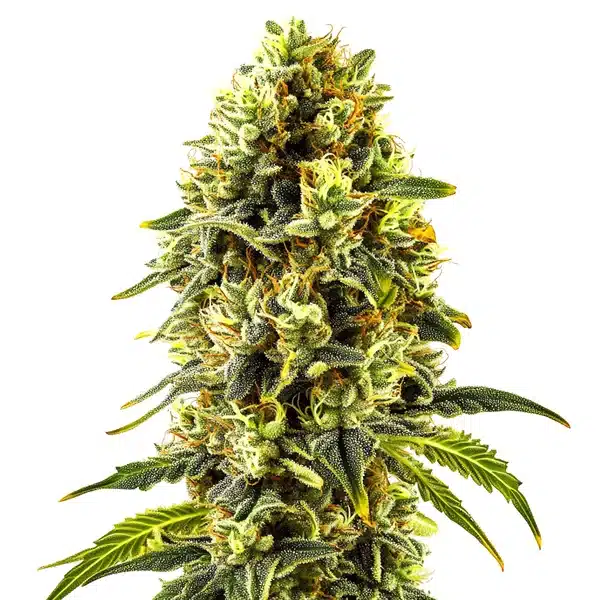
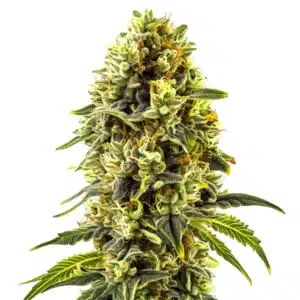
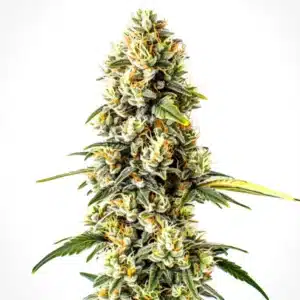
Original Cheese

|
THC | 16% - 20% (Medium) |

|
Type | Feminized |

|
Yield | High |

|
Phenotype | 55% Indica / 45% Sativa |
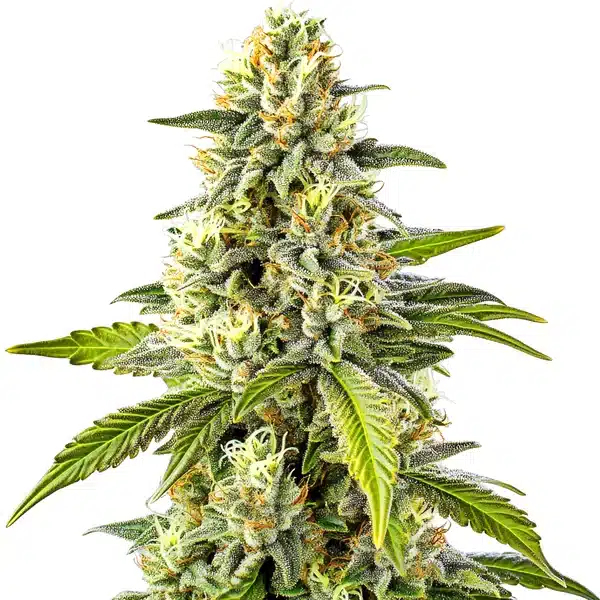
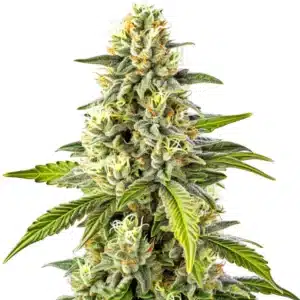
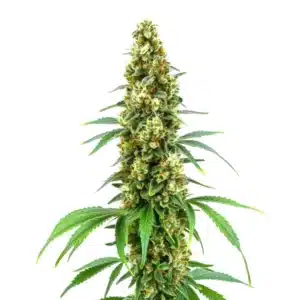
Cheese
|
|
THC | 14% - 18% (Medium) |
|
|
Type | Feminized |
|
|
Yield | Medium |
|
|
Phenotype | 60% Indica / 40% Sativa |
Original Cheese at a Glance
Before you plant anything, it helps to see the full picture in one place. Here is the quick profile for this near-balanced feminized strain, taken straight from the strain’s grow data.
| Seed type | Feminized (photoperiod) |
|---|---|
| Genetics | Original Cheese |
| Phenotype | 55% Indica / 45% Sativa |
| THC | 16–20% (medium) |
| Flowering time | 8–10 weeks |
| Outdoor harvest | October |
| Height | up to 4.92 ft (1.5 m) |
| Yield indoor | 1.31–1.64 oz/ft² |
| Yield outdoor | 7.05–10.58 oz/plant |
| Climate | Temperate |
| Flavors | Cheese, Earthy, Pungent |
| Effects | Calming, Relaxed, Soothing |
| Difficulty | Beginner-friendly |
These are feminized seeds, so every plant flowers female and you skip culling males. Its 55% indica lean places it with the indica seeds, its near-even 55/45 split keeps it among the hybrid seeds, and its loud, pungent profile keeps it among the skunk strains.
Promos & Deals

How to Germinate Original Cheese Seeds
A healthy harvest starts at germination. The paper towel method is hard to beat: fold the Original Cheese seeds inside two damp sheets, slide them between two plates, and keep them somewhere dark at 70 to 79°F. A taproot usually appears in two to five days.
Once the taproot is a few millimeters long, move each seed root-down about 1 cm deep into a small pot of light, airy medium. Keep it lightly moist rather than soaked, hold humidity around 65 to 70%, and give soft light while the first true leaves open. Its hardy, classic genetics make for a vigorous, dependable seedling.
Starter tips
- Use plain, lightly pH-balanced water (pH 5.5 to 6.5) for the first week.
- Keep seedlings warm and humid, but never waterlogged.
- Hold off on nutrients until the second set of serrated leaves appears.
Growing Original Cheese in the Vegetative Stage
Original Cheese likes a temperate climate and, as a near-balanced hybrid, it grows into a sturdy, moderately bushy plant reaching around 1.5 m. Keep it on 18 hours of light a day, aim for day temperatures of 68 to 79°F, and hold humidity around 50 to 60%. Its tough old-school frame makes it a resilient, low-fuss grower through veg.
This is the stage to shape the plant. Light topping and low-stress training open up the canopy and improve airflow and light to the lower buds, which is how you push its strong indoor yield toward the top of its range. Keep the plants spaced so air moves freely.
Its sturdy frame and October finish make it a solid outdoor plant across much of the US, keeping in mind its modest outdoor return:
- Southern California and the Southwest: the warm, dry season suits its 8 to 10 week bloom and keeps the pungent buds clean through October.
- Pacific Northwest and cooler states: its hardy genetics handle cool nights well and finish before the wet autumn sets in.
- Discreet and urban grows: wherever you grow it, plan for its loud smell, since Cheese is one of the most pungent strains around.
Flowering and Buds of Original Cheese
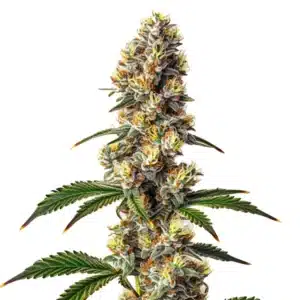
Indoors, flip Original Cheese to a 12/12 light cycle to trigger flowering, which runs 8 to 10 weeks. Outdoors it ripens through October. As a near-balanced hybrid it has a moderate stretch after the flip, then fills out into dense, resinous, heavy-smelling buds.
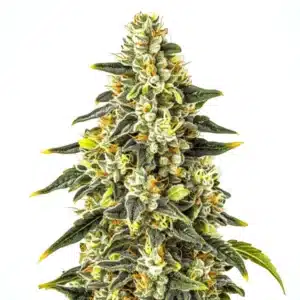
Through bloom, drop humidity to 40 to 45% and keep air moving so the flowers do not trap moisture. The buds build the signature sharp, tangy cheese aroma over an earthy, pungent base, louder than almost anything else you can grow.
At 16 to 20% THC it sits comfortably in the medium range, so the effect is balanced, a calming, deeply relaxing feel that leans toward winding down.
Common Problems and Pro Tips
Original Cheese is beginner-friendly, but its loud smell and dense buds point to a few things worth watching.
- Manage the smell: Cheese is famously pungent, so run a carbon filter indoors and think about neighbors before growing it outside.
- Bud density and mold: its resinous colas can trap humidity, so keep a fan moving and humidity below 45% late in flower.
- Lean on indoor yield: its indoor return is strong while its outdoor yield is modest, so an indoor setup gets the most from it.
Expert tip: the whole point of Cheese is that pungent, tangy aroma, so protect it. Ease off nitrogen once the buds set, keep air moving around the dense colas, and dry and cure slowly so the signature cheese funk develops fully in the jar.
Aroma, Flavor and Effects
The nose is unmistakable: a sharp, tangy cheese funk over an earthy, pungent base, the smell that made this strain a legend. It is loud and savory rather than sweet, and it sharpens as the buds cure.
The flavor follows the nose, that distinctive tangy cheese taste with an earthy, pungent finish. On the effect side it is calming and deeply relaxing, a mellow body feel that makes it a classic end-of-day strain. Because THC is moderate at 16 to 20%, it stays balanced and approachable rather than overwhelming.
Dominant terpenes
Original Cheese carries a pungent terpene profile. The most influential are Myrcene, Caryophyllene, Pinene, Linalool, Menthol and Camphene: Myrcene lays down the earthy, musky base, Caryophyllene drives the sharp, peppery funk behind the cheese smell, Pinene a fresh lift, Linalool a soft floral note, Menthol an unusual cool, minty edge, and Camphene a crisp, piney touch. A note of Nerolidol rounds it out, deepening its earthy, pungent character.
Nutrient Schedule
Treat the figures below as a starting map, not a rulebook. Original Cheese feeds steadily through the stretch, so read the plant first: tip burn means back off, while pale, slow growth means it wants a little more. All values use EC.
| Stage | EC |
|---|---|
| Seedling | 0.4–0.6 |
| Growth | 0.8–1.2 |
| Early flower | 1.2–1.4 |
| Full flower | 1.4–1.6 |
| Flush | 0.0–0.4 |
Keep the pH around 6.0 to 6.5 in soil and 5.5 to 6.0 in hydro so the roots can actually take up what you feed.
What to Do With Your Trim: Extracts and Hash
Original Cheese builds a good coat of resin as it ripens, so its pungent trim is worth keeping. The sugar leaves you take off while manicuring carry trichomes and suit Ice Water Hash, where cold water and agitation separate the resin heads into a clean, solventless concentrate. Pressing that hash into rosin keeps the tangy cheese flavor intact, or you can run a solvent extraction if that is your setup. The bare stems will not extract, but chopped and composted they feed organic matter back into the soil for your next grow.
Harvesting, Drying and Curing Original Cheese
Timing the harvest comes down to the trichomes. Grab a loupe and watch the heads turn from clear to milky white; a scattering of amber signals peak ripeness. Indoors this lands 8 to 10 weeks after the flip, and outdoors the plants are ready through October.
After the cut, hang the branches in a dark room at 59 to 68°F with humidity near 50% and gentle air movement. Slow beats fast: drying over 10 to 14 days protects the sharp, tangy cheese aroma that defines this strain. When the small stems snap instead of bending, move the buds into jars.
Cure in sealed glass, opening the jars daily for the first week to let moisture escape, then easing off as the aroma deepens. Two to four weeks of patience here is where the signature cheese funk really comes forward, and it is the step most first-time growers rush.
Frequently Asked Questions
Is Original Cheese easy to grow for beginners?
Yes, Original Cheese is beginner-friendly. Its hardy, old-school genetics make it vigorous and forgiving, and it finishes in 8 to 10 weeks with a strong indoor yield. The main thing a new grower should plan for is its famously loud smell, so run a carbon filter indoors and keep humidity down late in flower.
How long does Original Cheese take to flower?
Original Cheese flowers in 8 to 10 weeks once you switch it to a 12/12 light cycle indoors. Grown outdoors, it is ready through October. As a near-balanced 55% indica hybrid it has a moderate stretch after the flip, then fills out into dense, pungent, resinous buds over the back half of bloom.
How strong is Original Cheese?
Original Cheese is a medium-strength strain, with a THC level of 16 to 20%. The effect is calming and deeply relaxing, a mellow body feel rather than an overpowering one. That moderate potency makes it a classic, approachable end-of-day strain for a wide range of users.
How much does Original Cheese yield?
Original Cheese gives a high indoor yield of around 1.31 to 1.64 oz/ft², with a more modest outdoor return of roughly 7.05 to 10.58 oz per plant. That makes it best suited to an indoor grow, where topping, training, and strong light push it toward the top of its range.
Why does Original Cheese smell so strong?
Original Cheese is one of the most pungent strains there is, with a sharp, tangy cheese funk driven by terpenes like Caryophyllene and Myrcene. That loud aroma is its signature, so plan for odor control: run a carbon filter indoors and think carefully before growing it somewhere discreet.
What does Original Cheese taste and smell like?
Original Cheese leads with an unmistakable sharp, tangy cheese funk over an earthy, pungent base. It is loud and savory rather than sweet, the aroma that made this strain a legend. Both the smell and taste sharpen as the buds cure slowly in the jar after harvest.