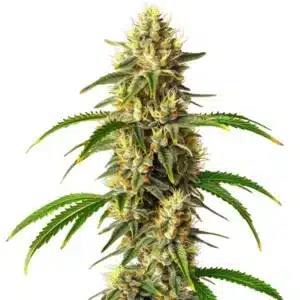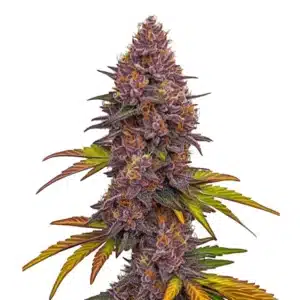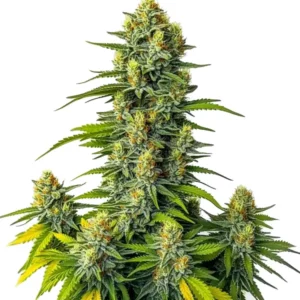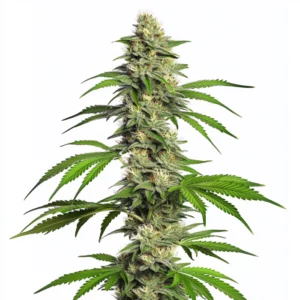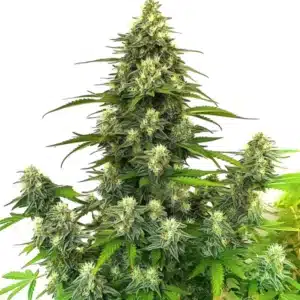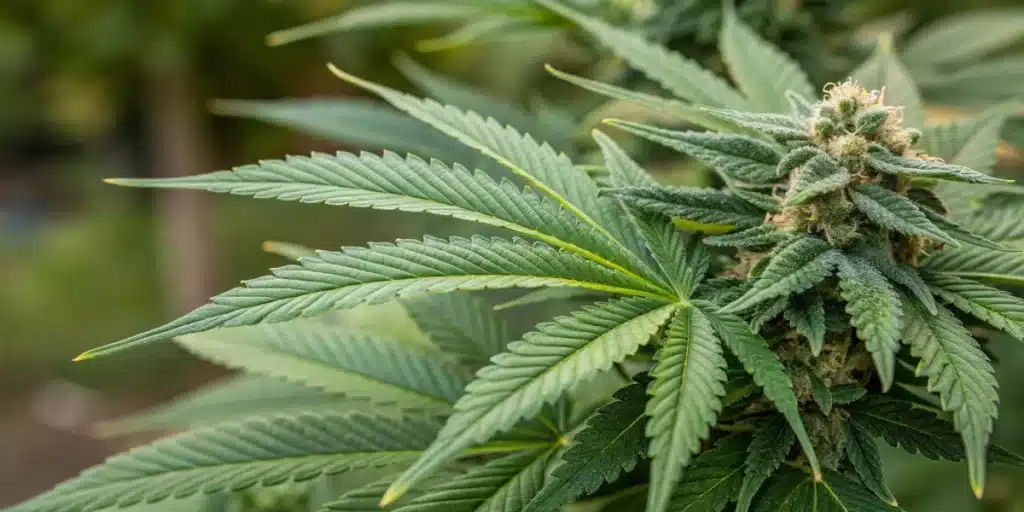
How To Grow Green Crack Auto Strain

Green Crack Autoflower’s rapid growth: Green Crack Autoflower is renowned for its swift growth cycle and energizing effects. With a flowering period of just 7-9 weeks, this strain is perfect for cultivators seeking a quick turnaround. Expect yields of 1.8 – 1.97 oz/ft² (550-600 g/m²) indoors. Ideal for both novice and seasoned growers looking for a reliable harvest.
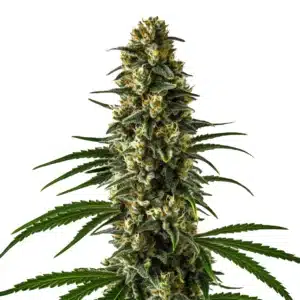
Green Crack Autoflower is celebrated for its unique terpene profile, offering fruity and citrusy aromas. This strain’s flowering time is notably short, ranging from 7 to 9 weeks. Its sativa-dominant genetics ensure an uplifting experience, making it a favorite among those seeking both recreational and medicinal benefits. Dive into the specifics of cultivating this dynamic strain.
Recommended Strains

Green Crack Auto

|
THC | 18% - 20% (Medium) |

|
Type | Autoflowering |

|
Yield | High |

|
Phenotype | 50% Indica / 50% Sativa |

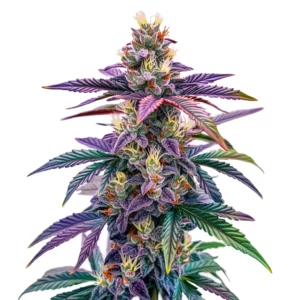
Green Crack
|
|
THC | 21% (Medium) |
|
|
Type | Feminized |
|
|
Yield | High |
|
|
Phenotype | 35% Indica / 65% Sativa |
Origins and Genetics of Green Crack Autoflower
Green Crack Autoflower is a hybrid strain developed by crossing Green Crack with a Ruderalis variety. This cross results in an autoflowering strain that does not rely on light cycles to flower. The strain’s genetic makeup leans heavily towards sativa, contributing to its energizing effects and vigorous growth.
Its robust genetic profile ensures resilience against environmental stressors, making it an excellent choice for growers in diverse climates. The autoflowering trait allows for multiple harvests per year, with each cycle completing in approximately 70-80 days from seed to harvest.
Terpene Profile and Effects
Green Crack Autoflower features a rich terpene profile dominated by Myrcene, Caryophyllene, and Limonene. Myrcene, present at 0.8-1.2%, provides earthy and fruity undertones, enhancing the strain’s relaxing effects by facilitating THC’s passage through the blood-brain barrier. Caryophyllene, at 0.4-0.7%, adds a spicy kick and interacts with CB2 receptors to reduce inflammation.
Limonene, contributing 0.5-0.9%, imparts a citrus aroma and is known for its mood-enhancing properties. This combination of terpenes not only defines the strain’s sensory experience but also amplifies its uplifting and euphoric effects, making it a preferred choice for daytime use.
Promos & Deals


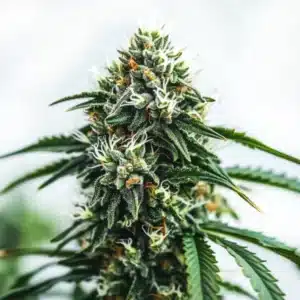
Environmental Requirements for Green Crack Auto
Indoor vs. Outdoor Conditions
Green Crack Autoflower thrives in a temperate climate with daytime temperatures between 70-80°F (21-27°C). Indoors, high-quality LED lights providing 800-1000 µmol/m²/s are recommended to mimic natural sunlight. A light cycle of 18-20 hours during the vegetative phase and 12/12 during flowering ensures optimal growth.
For outdoor cultivation, choose a location with ample sunlight and temperatures within the ideal range. In cooler regions, consider using a greenhouse to extend the growing season. Ensure your plants receive at least 6 hours of direct sunlight daily to maximize photosynthesis and yield.
Humidity and Airflow
Maintaining humidity levels between 40-50% during the flowering phase is crucial to prevent mold and bud rot. Use oscillating fans to ensure adequate airflow and reduce humidity spikes. Proper ventilation helps maintain a stable environment, reducing the risk of pest infestations and promoting healthy plant development.
Invest in a hygrometer to monitor humidity levels accurately. Avoid common mistakes like overwatering, which can increase humidity and lead to root rot. Regularly check and adjust your ventilation setup to keep the growing conditions within the optimal range.
| Feature / Merkmal | Green Crack Auto | Northern Lights Auto | Critical Kush Auto |
|---|---|---|---|
| THC Content | 18-20% | 110-14% | 16-20% |
| Flowering Time | 7-9 weeks | 7-9 weeks | 8-10 weeks |
| Dominant Terpene | Myrcene | Pinene | Caryophyllene |
| Yield Indoor | 1.8 – 1.97 oz/ft² | 550 – 600 g/m² | 1.31 – 1.64 oz/ft² | 400 – 500 g/m² | 1.47 – 1.8 oz/ft² | 450 – 550 g/m² |
| Effect | Creative, Energetic, Uplifted | Creative, Euphoric, Uplifted | Creative, Energetic, Uplifted |
Propagation and Germination Techniques
Seed Selection and Preparation
Start by selecting high-quality Green Crack Autoflower seeds from a reputable source like Blimburn Seeds. This ensures genetic stability and a high germination rate. Soak the seeds in distilled water or place them between damp paper towels for 24-48 hours to initiate germination.
Maintain a temperature of 70-85°F (21-29°C) during this process. Once taproots emerge, transfer the seeds to a pre-moistened growing medium, such as a seedling tray filled with light, well-draining soil. This careful preparation lays the foundation for robust plant growth.
Optimal Germination Conditions
Place the germinated seeds in a warm, humid environment with gentle airflow. Maintain temperatures around 75-80°F (24-27°C) and humidity levels at 60-70%. Provide indirect light initially, gradually increasing intensity as seedlings develop.
Avoid exposing young plants to intense light or heat, which can cause stress or damage. As seedlings grow, ensure they receive adequate light and nutrients to support their transition to the vegetative stage. Monitor their progress closely to address any issues promptly.
Green Crack Auto Week by Week Growth Guide
Week 1-3: Seedling Stage
During the first three weeks, focus on establishing strong roots and healthy seedlings. Provide 18-20 hours of light daily using LED or CFL lights. Keep soil moisture consistent but avoid overwatering, which can lead to root rot.
Maintain temperatures between 70-80°F (21-27°C) and humidity around 60-70%. Use a light nutrient solution to support initial growth, ensuring a balanced NPK ratio of 1:1:1. Monitor seedlings for signs of stress or nutrient deficiencies, adjusting care as needed.
Week 4-6: Vegetative Stage
As plants enter the vegetative stage, increase light intensity and maintain a consistent light schedule. Provide a nutrient-rich diet with a higher nitrogen content (NPK 3:1:2) to support leaf and stem development.
Maintain temperatures at 70-80°F (21-27°C) and reduce humidity to 50-60%. Implement training techniques like low-stress training (LST) to promote an even canopy and enhance light penetration. Regularly prune lower branches to improve airflow and reduce disease risk.
Week 7-9: Flowering Stage
Transition to a 12/12 light cycle to initiate flowering. Switch to a bloom-specific nutrient formula with higher phosphorus and potassium (NPK 1:3:2) to support bud development. Maintain temperatures at 65-75°F (18-24°C) and humidity at 40-50%.
Provide support for branches with stakes or trellises to prevent breakage under bud weight. Monitor trichome development to determine the optimal harvest window, typically when trichomes are milky with some turning amber.
Maximizing Yield and Quality
Optimizing Nutrient Regimen
To maximize yield, use a balanced nutrient regimen tailored to each growth stage. During the vegetative phase, focus on nitrogen-rich fertilizers (NPK 3:1:2) to promote foliage growth. Transition to phosphorus and potassium-rich formulas (NPK 1:3:2) during flowering to enhance bud development.
Regularly monitor pH levels, keeping them between 6.0-6.5 to ensure optimal nutrient uptake. Adjust nutrient concentrations based on plant response, avoiding over-fertilization which can lead to nutrient burn.
Environmental Control
Maintain consistent environmental conditions to support healthy growth. Use digital thermometers and hygrometers to monitor temperature and humidity accurately. Implement automated systems for precise control, minimizing human error.
Regularly inspect plants for signs of stress or disease, adjusting environmental parameters as needed. Proper environmental control not only maximizes yield but also enhances the quality of the final product, ensuring a potent and flavorful harvest.
Professional Tips for Growing Green Crack Autoflower
- Maintain 58-62% RH during curing. This range preserves terpenes and prevents mold. Use a digital hygrometer for accuracy, avoiding analog models.
- Ensure light intensity reaches 800-1000 µmol/m²/s during flowering. This optimizes photosynthesis and boosts yield. Avoid light burn by maintaining proper distance.
- Use a nutrient solution with NPK 1:3:2 during flowering. This supports bud growth and potency. Monitor for nutrient burn, adjusting as necessary.
- Keep pH levels between 6.0-6.5 for optimal nutrient absorption. Fluctuations outside this range can cause deficiencies. Regularly calibrate pH meters for precision.
- Implement low-stress training (LST) to enhance light penetration. This promotes even growth and larger buds. Avoid excessive bending to prevent branch damage.
- Use stakes or trellises to support heavy branches. This prevents breakage and ensures healthy bud development. Regularly check supports for stability.

FAQs about Green Crack Auto Strain
How much does green crack autoflower yield?
Green Crack Autoflower typically yields between 1.5-1.8 oz/ft² (450-550 g/m²) indoors. Outdoor yields can reach up to 21-25 oz/plant (600-700 g/plant) depending on environmental conditions and cultivation practices. Proper nutrient management and environmental control are key to achieving these yields.
Is green crack one of the strongest strains?
Green Crack is known for its potent effects, but it is not the strongest strain available. It typically contains 18-22% THC, providing an energizing and uplifting experience. While strong, there are strains with higher THC content for those seeking more intense effects.
What is green crack called now?
Green Crack retains its original name, though some prefer to refer to it as “Green Cush” to avoid negative connotations. Despite the name change, it remains popular for its invigorating effects and unique flavor profile, making it a staple in many cannabis collections.
Is green crack an indica or sativa?
Green Crack is a sativa-dominant hybrid, known for its uplifting and energizing effects. Its sativa characteristics make it ideal for daytime use, promoting creativity and focus. The strain’s genetics provide a balanced experience, offering both cerebral stimulation and mild relaxation.
What makes Green Crack Autoflower unique?
Green Crack Autoflower stands out due to its rapid growth cycle, completing in just 7-9 weeks. Its autoflowering nature allows for multiple harvests per year, and its sativa-dominant genetics deliver an energizing effect. The strain’s unique terpene profile enhances its fruity and citrusy aroma, making it a favorite among enthusiasts.