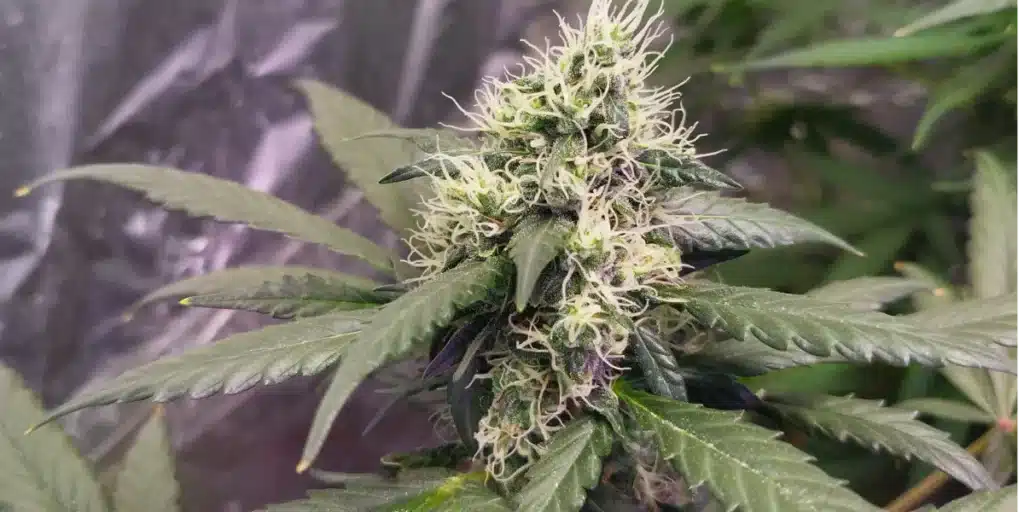
How to Grow Alaskan Purple Weed Strain

Alaskan Purple Strain Overview: Alaskan Purple is a 70% Indica hybrid with THC levels ranging from 15% to 20%. This strain combines Northern Lights and Afghan genetics, offering a unique terpene profile with citrus and earthy notes. It is ideal for both novice and experienced growers, thriving in warm climates and providing therapeutic benefits for stress and fatigue.
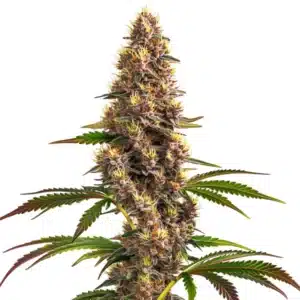
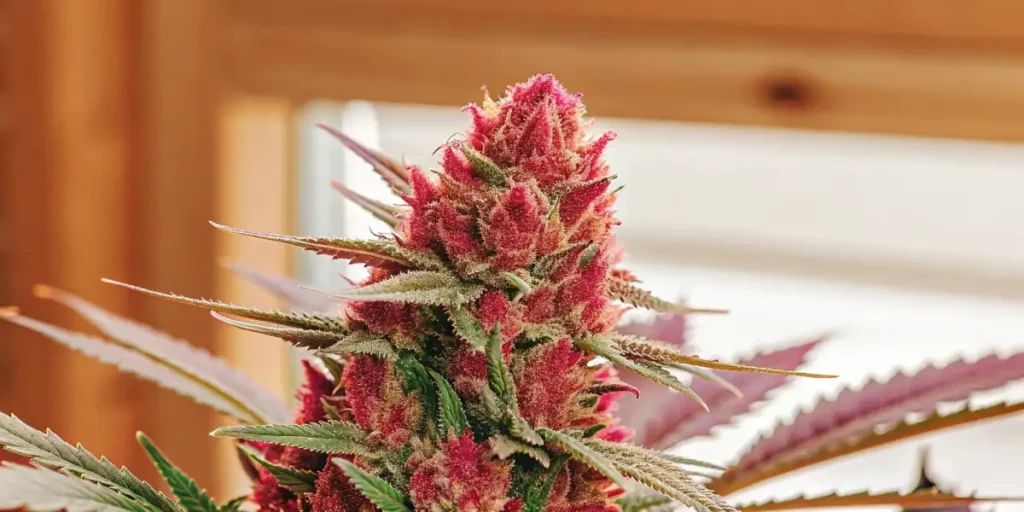
Alaskan Purple captivates with its vibrant hues and robust growth. Its terpene profile, featuring Alpha Cedrene and Beta-Caryophyllene, delivers citrus and earthy aromas. With a flowering time of 8-10 weeks, this strain suits both indoor and outdoor cultivation. Its adaptability and moderate THC content make it a favorite among growers and users alike.
Recommended Strains

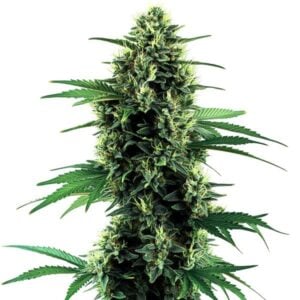
Alaskan Purple

|
THC | 15% - 20% (Medium) |

|
Type | Feminized |

|
Yield | Medium |

|
Phenotype | 70% Indica / 30% Sativa |

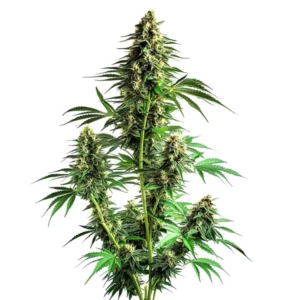
Alaskan Thunderfuck
|
|
THC | 16% (Medium) |
|
|
Type | Feminized |
|
|
Yield | Medium |
|
|
Phenotype | 40% Indica / 60% Sativa |
Alaskan Purple Strain Overview
Is Alaskan Purple a Sativa or Indica?
Alaskan Purple seeds is predominantly Indica, with a 70% Indica and 30% Sativa genetic makeup. This composition results in deeply relaxing effects, ideal for unwinding after a long day. The Indica dominance contributes to its dense bud structure and resin production, making it a visually appealing strain.
Its Indica traits are evident in its growth pattern, with broad leaves and a compact structure. This makes it suitable for indoor growing, where space optimization is crucial. The Sativa influence adds a mild cerebral stimulation, enhancing creativity without overwhelming sedation.
What is the Alaskan Purple Lineage?
Alaskan Purple is a cross between Northern Lights and Afghan, two legendary strains known for their potency and resilience. Northern Lights contributes to its calming effects and robust growth, while Afghan adds a layer of earthy flavors and high resin production.
This lineage ensures a balanced profile, combining the best of both worlds. The Afghan genetics enhance its adaptability to various climates, making it a versatile choice for growers worldwide. Northern Lights’ influence is evident in its stress-relieving properties, making it a therapeutic option for many users.
Promos & Deals

Growing Alaskan Purple Weed Strain
Environmental Requirements
Alaskan Purple thrives in warm climates with temperatures between 70-80°F (21-27°C). Maintaining consistent conditions is crucial for optimal growth. Humidity levels should be kept at 60-70% during the vegetative phase, reducing to 40-50% in flowering to prevent mold.
Proper air circulation is essential, especially in indoor setups. Fans or exhaust systems help stabilize temperature and humidity, promoting healthy development. Outdoor growers should choose sunny locations with nutrient-rich, well-draining soil to achieve the best results.
Indoor vs. Outdoor Cultivation
Indoor cultivation of Alaskan Purple requires a well-equipped grow tent with reflective interiors for maximum light distribution. High-quality LED lights are recommended to provide the full spectrum needed for robust growth. Fabric pots enhance drainage and aeration, supporting healthy root development.
Outdoor cultivation benefits from direct sunlight for at least six to eight hours daily. The soil should be enriched with organic materials like compost or bat guano to boost fertility. Structural support, such as stakes or trellises, is necessary to manage the weight of the buds during flowering.
| Feature | Alaskan Purple | Northern Lights | Afghan Kush |
|---|---|---|---|
| THC Content | 15-20% | 17% | 16-21% |
| Dominant Terpene | Caryophyllene | Eucalyptol | Caryophyllene |
| Flowering Time | 8-10 weeks | 8-10 weeks | 6-8 weeks |
| Yield (Indoor) | 1.47 oz/ft² | 450 g/m² | 1.47 – 1.64 oz/ft² | 450 – 500 g/m² | 1.47 – 1.64 oz/ft² | 450 – 500 g/m² |
| Effect | Focused, Happy, Relaxed | Focused, Happy, Relaxed | Energetic, Relaxed, Sedative |
Effects and Medicinal Benefits
THC Content and Potency
Alaskan Purple’s THC content ranges from 15% to 20%, offering moderate potency. This makes it suitable for users seeking relaxation without overwhelming effects. The balanced THC level ensures a smooth experience, ideal for managing stress and fatigue.
Its moderate potency allows for daytime use, providing relief from anxiety and enhancing focus. The strain’s calming effects are beneficial for those dealing with chronic pain or insomnia, offering therapeutic relief without heavy sedation.
Comparing Alaskan Purple with Other Strains
When comparing Alaskan Purple with other strains, its unique terpene profile stands out. Alpha Cedrene contributes to its citrus aroma, while Beta-Caryophyllene adds earthy undertones. These terpenes not only enhance flavor but also interact with cannabinoids to amplify the strain’s effects.
Alaskan Purple’s combination of Northern Lights and Afghan genetics gives it a distinct edge, offering a blend of relaxation and mild cerebral stimulation. This makes it a versatile choice for both recreational and medicinal users.
Professional Tips for Growing Alaskan Purple
- Maintain 70-80°F (21-27°C) during growth. Fluctuations can stress plants, reducing yield by up to 20%.
- Keep humidity at 60-70% in the vegetative stage. High humidity risks mold, while low levels stunt growth.
- Use LED lights for full-spectrum coverage. Inadequate lighting leads to poor bud development.
- Employ low-stress training (LST) for better canopy management. This maximizes light exposure and airflow.
- Supplement with phosphorus-rich fertilizers during flowering. This boosts bud density and resin production.
- Flush plants with pure water two weeks before harvest. This removes nutrient buildup, enhancing flavor.
Frequently Asked Questions
Is Alaskan purple a sativa or indica?
Alaskan Purple is primarily an Indica strain, comprising 70% Indica and 30% Sativa. This genetic makeup results in deeply relaxing effects, ideal for stress relief and relaxation. Its Indica dominance also contributes to its dense bud structure and resin production, making it a popular choice for growers.
What is the Alaskan purple lineage?
Alaskan Purple is a hybrid strain resulting from the cross of Northern Lights and Afghan genetics. This lineage provides a balanced profile, combining the calming effects of Northern Lights with the earthy flavors and resilience of Afghan. The combination ensures a versatile and robust strain suitable for various growing conditions.
What is the most potent purple strain?
The most potent purple strain varies, but Purple Haze is often noted for its high THC content, ranging from 20% to 25%. Known for its psychedelic effects and vibrant purple hues, Purple Haze delivers a euphoric high, making it popular among recreational users seeking an intense experience.
Is Alaska a sativa or indica strain?
Alaskan Purple is an Indica-dominant hybrid, not to be confused with any pure Alaska strain. It combines 70% Indica and 30% Sativa genetics, offering relaxing effects with mild cerebral stimulation. This balance makes it suitable for both medicinal and recreational use, providing therapeutic benefits without overwhelming sedation.
How does Alaskan Purple compare to other Alaskan weed strains?
Compared to other Alaskan weed strains, Alaskan Purple stands out for its unique terpene profile and moderate THC levels. While some Alaskan strains may focus on high potency, Alaskan Purple offers a balanced experience with therapeutic benefits. Its combination of Northern Lights and Afghan genetics ensures versatility and resilience in various growing conditions.