How Cannabis Competitions Are Judged: Criteria, Categories, and What Separates Good Weed from Champions

Cannabis competitions have become the gold standard for recognizing excellence in cultivation, breeding, extraction, and product development. Every year, hundreds of growers, breeders, hash makers, and cannabis brands submit their finest products hoping to earn one of the industry’s most respected awards. Whether it’s the Cannabis Cup, Emerald Cup, Spannabis Champions Cup, or another prestigious event, every competition follows a structured judging process designed to identify the highest-quality cannabis.
Winning isn’t simply about producing the strongest flower. Modern judges evaluate a wide range of characteristics: appearance, aroma, terpene profile, resin production, flavor, curing quality, and overall consumer experience. One of the most famous of these events is the Cannabis Cup, which helped define how the industry celebrates top genetics and products. As the legal cannabis market has evolved, judging standards have become increasingly sophisticated, placing far greater emphasis on craftsmanship than on THC percentage alone.
Recommended Strains

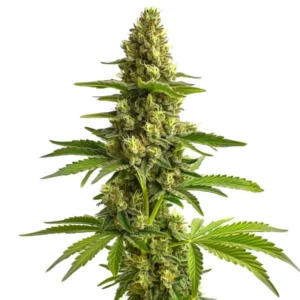
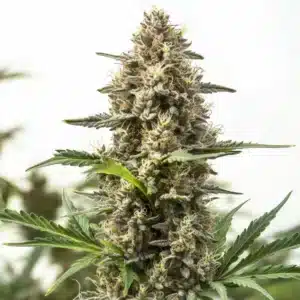
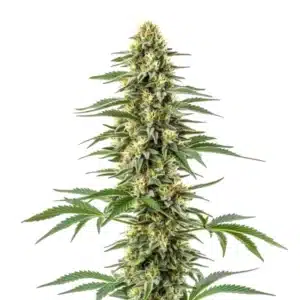
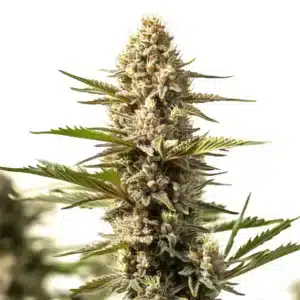
Gelato

|
THC | 27% (High) |

|
Type | Feminized |

|
Yield | High |

|
Phenotype | 50% Indica / 50% Sativa |

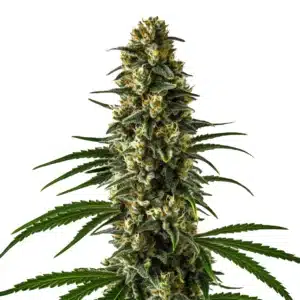
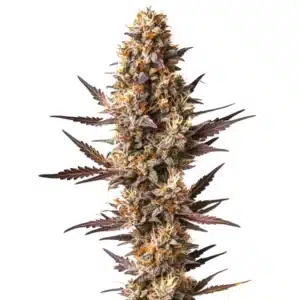
Wedding Cake
|
|
THC | 17% - 23% (Medium) |
|
|
Type | Feminized |
|
|
Yield | High |
|
|
Phenotype | 60% Indica / 40% Sativa |
In this guide, we explain how cannabis competitions are judged, the most common award categories, and the qualities that separate good cannabis from true championship-winning flowers.
How Do Cannabis Competition Judges Evaluate Entries?
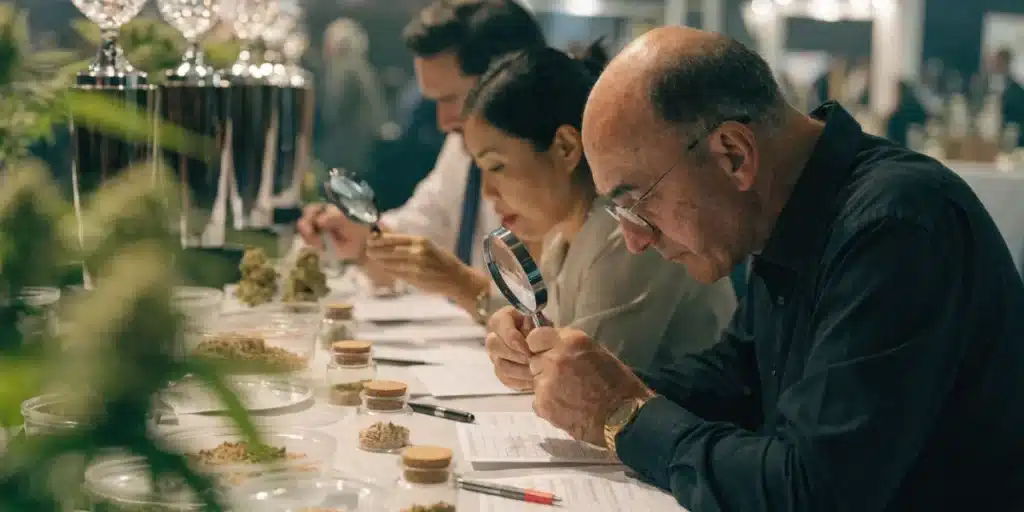
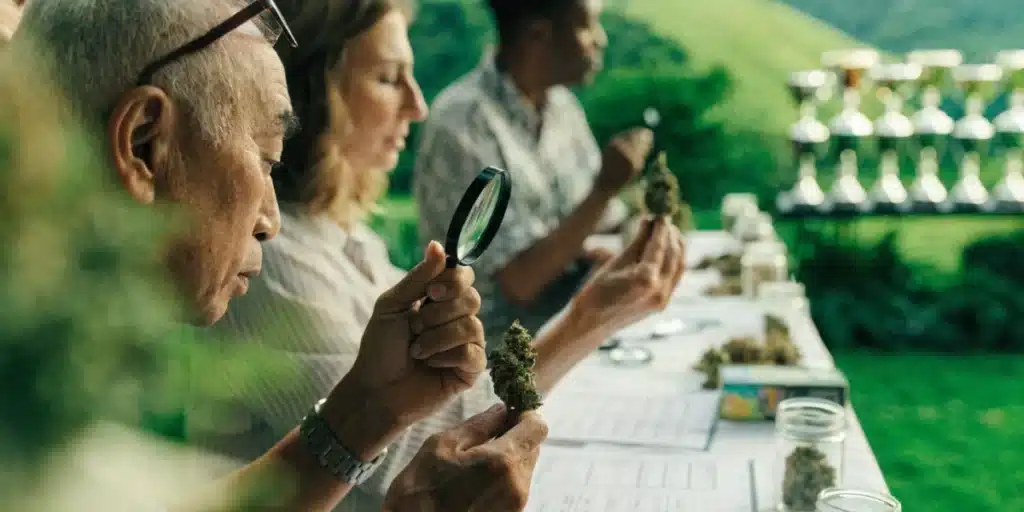
Professional cannabis competitions are designed to ensure every entry is evaluated as fairly and objectively as possible. Nearly all major events — including the Cannabis Cup, Emerald Cup, and SpannabisChampions Cup — use blind judging.
Before samples reach the judges, all identifying information is removed. Judges cannot see the breeder, producer, seed bank, or brand behind the entry. Each sample receives a numerical code, allowing products to be assessed solely on quality.
Panel Judging vs. Consumer Voting
Most competitions rely on multiple judges rather than a single evaluator. Each judge independently scores every entry using standardized evaluation sheets, and organizers calculate an average score to determinewinners.
Some competitions combine professional judging with consumer voting. The High Times Cannabis Cup People’s Choice format, for example, allows consumers to purchase official judging kits from licensed dispensaries and submit their scores through an online system.
The Function of Laboratory Analysis
In recent years, laboratory analysis has become increasingly common. Some competitions verify cannabinoid content, terpene profiles, moisture levels, and contaminant testing before judging begins. While lab results rarely determine the winner on their own, they support the sensory evaluation performed by judges and provide an additional layer of quality assurance.
The goal is consistent across all competitions: eliminate bias while rewarding products that demonstrate outstanding quality across every aspect of cultivation and post-harvest processing.
Promos & Deals
The Main Criteria Judges Use to Score Cannabis
Modern competitions no longer reward potency alone. Judges look for a balance of exceptional genetics, expert cultivation, careful post-harvest handling, and an outstanding sensory experience.
Appearance (Bag Appeal)
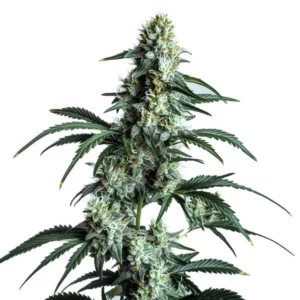
First impressions matter. Before smelling or consuming a sample, judges carefully inspect its visual quality. Premium cannabis should display dense, well-formed flowers with a healthy structure and a professional trim buds that retain their natural shape without excessive leaves or visible stems.
Color plays an important role depending on the genetics: flowers may display shades of bright green, dark green, purple, blue, or near-black, complemented by vibrant orange, red, or amber pistils. Abundant trichome coverage immediately signals careful cultivation.
Judges also look for consistency across the sample: uniform flowers of similar size, density, and appearance demonstrate sound cultivation practices and proper harvesting timing.
Aroma and Terpene Profile
Aroma is one of the most heavily weighted criteria in cannabis competition judging. A high-quality flower should release an intense, complex fragrance the moment the container is opened. Championship cannabis rarely presents a single dominant note it typically exhibits multiple aromatic layers that evolve over time.
Judges look for terpene-rich profiles that may include citrus, pine, tropical fruit, berries, diesel, earth, floral notes, spices, creamy dessert aromas, or sweet candy characteristics. Freshness matters equally: properly cured cannabis preserves volatile terpenes, while poorly stored flowers lose aromatic intensity quickly.
Resin Production
Trichomes produce cannabinoids and terpenes, making resin production a key quality indicator. Judges inspect the density, maturity, and uniformity of trichome coverage across the flower. Premium cultivars are often completely coated in resin, giving buds a frosty or sparkling appearance.
High resin production is particularly critical in competitions featuring hash, live rosin, and solventless extraction categories, where resin quality directly determines extraction yields and final product quality.
Flavor
Flavor confirms whether the terpene profile detected in the aroma is preserved during consumption. Judges evaluate intensity, complexity, and balance while smoking or vaporizing the sample. Premium flowers should deliver a clean, smooth experience without harshness or unpleasant aftertaste. Long-lasting flavor, layered terpene expression, and consistency from inhale to exhale are hallmarks of championship-level cannabis.
Effects
Although effects are naturally subjective, experienced judges still assess the overall experience delivered by each cultivar considering onset, duration, balance, intensity, clarity, and overall enjoyment. Rather than simply rewarding high potency, judges often favor flowers that deliver well-balanced and memorable effects supported by rich terpene profiles.
Cure and Moisture Content
Even exceptional genetics can lose points if improperly dried or cured. Judges examine whether flowers have reached an ideal moisture level: slightly firm to the touch while remaining sticky from resin, neither brittle nor overly wet. A proper cure preserves terpenes, improves flavor, allows for an even burn, and produces clean white or light gray ash. Poor curing can negatively affect every aspect of the smoking experience making it one of the final factors separating good cannabis from championship-quality flowers.

Cannabis Competition Award Categories Explained
As the cannabis industry has expanded, so have competition categories. What once focused almost exclusively on dried flowers now includes dozens of categories recognizing excellence in concentrates, edibles, wellness products, and innovation. While every competition has its own rules, most award entries across similar product types.
Flower Categories
Flowers remain the centerpiece of nearly every cannabis competition. The most common flower categories include:
- Best Indica Flower
- Best Sativa Flower
- Best Hybrid Flower
- Best Indoor Flower
- Best Outdoor / Sun-Grown Flower
- Best Mixed-Light Flower
- Best CBD Flower
- Best Autoflower (in selected competitions)
Competitions such as the Cannabis Cup separate flowers by genetic type, while the Emerald Cup places additional emphasis on cultivation method particularly sun-grown cannabis.
Concentrate Categories
Concentrates have become one of the fastest-growing sectors of the industry. Common concentrate awards include:
- Best Live Rosin
- Best Live Resin
- Best Solventless Hash
- Best Bubble Hash (Ice Water Hash)
- Best Dry Sift
- Best Traditional Hash
- Best BHO Extract
- Best Rosin
These products are judged on purity, terpene preservation, texture, color, aroma, flavor, and overall quality. Competitions such as the Hash World Cup and Ego Clash place particular emphasis on solventless extractions.
Edibles and Infused Products
As legal markets mature, competitions increasingly recognize producers of premium infused products. Typical categories include gummies, chocolate, baked goods, beverages, capsules, tinctures, topicals, and wellness products. Judges consider flavor, consistency, dosing accuracy, packaging, and the overall consumer experience.
Vape and Pre-Roll Categories
Ready-to-use products have become a significant part of modern competitions, with categories including vape cartridges, disposable vapes, pre-rolls, and infused pre-rolls. Evaluation focuses on flavor, smoothness, hardware performance, oil quality, burn consistency, and user experience.
Specialty Awards
Some competitions feature unique categories that reflect their philosophy or highlight specific cultivation achievements:
- Best Organic Cannabis
- Best Sustainable Cultivation
- Best New Genetics
- Best Seed Bank
- Innovation Award
- People’s Choice Award
- Judges’ Choice Award
These awards celebrate excellence beyond the product itself, recognizing breeding achievements, innovation, and environmental responsibility.
How Categories Differ Between Major Cannabis Competitions
Cannabis Cup
The Cannabis Cup offers one of the widest ranges of categories in the industry. Depending on the edition, participants can compete in flowers, concentrates, vape products, edibles, beverages, tinctures, topicals, CBD products, and wellness products. Its People’s Choice format makes it one of the most comprehensive and consumer-inclusive competitions worldwide.
Emerald Cup
Closely connected to California’s craft cannabis heritage, the Emerald Cup is especially known for sun-grown flower, mixed-light flower, indoor flower, solventless concentrates, and sustainable cultivation awards. The competition places significant emphasis on environmentally responsible farming and terpene-rich cannabis.
Spannabis Champions Cup
The Spannabis Champions Cup focuses primarily on premium flowers and resin quality. Its core categories typically include best indica, best sativa, best CBD flower, best hash, best rosin, and best solventless extract. Because the event attracts many of Europe’s leading breeders and seed banks, it is widely regarded as one of the best showcases for elite cannabis genetics.
Other International Competitions
Events such as the Highlife Cannabis Cup, Ego Clash, Karma Cup, and the Autoflower World Cup introduce specialized categories tailored to their audience some focusing on boutique flowers and artisan hash, others on autoflower genetics or laboratory-verified quality.
Despite these differences, every competition shares the same core objective: identifying cannabis products that demonstrate exceptional quality, consistency, craftsmanship, and innovation.
Why Genetics Matter More Than THC in Cannabis Competitions
For many years, THC percentage was treated as the primary measure of cannabis quality. As the industry has matured, that thinking has shifted significantly. Today’s leading competitions take a far more comprehensive approach. While THC remains a factor, it no longer determines the winner.
The Rise of Terpenes and the Entourage Effect
One of the main drivers of this shift is the growing appreciation of terpenes. These aromatic compounds give cannabis its distinctive scents and flavors from citrus and tropical fruit to diesel, pine, earth, and sweet desserts. More importantly, terpenes work alongside cannabinoids to influence the overall experience, a relationship commonly referred to as the entourage effect.
Flowers with rich, expressive terpene profiles consistently outperform high-THC entries with flat or underdeveloped aromas in blind judging.
Stable Genetics as the Foundation
Exceptional genetics are the foundation of every award-winning cultivar. Stable breeding ensures plants develop consistently, producing uniform flowers with predictable cannabinoid and terpene profiles across multiple harvests a quality professional judges specifically look for.
Resin, Flower Structure, and Cure
Beyond genetics and terpenes, judges assess dense trichome coverage, healthy calyx development, vibrant pistils, and proper drying and curing. Even the best genetics will underperform if post-harvest handling is poor.
At Blimburn Seeds, these same principles guide every cultivar in our catalog. Rather than focusing exclusively on THC levels, our breeding program prioritizes stability, vigor, terpene complexity, and resin production. Cultivars such as Gelato, Wedding Cake, Bruce Banner, Blue Dream, Girl Scout Cookies, GG4, Granddaddy Purple, and Sour Diesel exemplify these qualities — the same characteristics consistently recognized in the world’s leading cannabis competitions.
As breeding continues to evolve, the industry’s highest awards increasingly celebrate craftsmanship over raw potency. Championship flowers are those that deliver a complete sensory experience — from appearance and aroma to flavor, smoothness, and lasting effects — demonstrating that outstanding genetics will always be the foundation of exceptional cannabis.
Frequently Asked Questions About Cannabis Competition Judging
How do judges score cannabis in competitions?
Most competitions use blind judging, where each sample is identified only by a number. Judges independently evaluate appearance, aroma, terpene profile, resin production, flavor, cure quality, and overall experience before assigning scores. Multiple judges assess every entry, and the final result is typically calculated from the average of all evaluations.
Is THC the most important factor in cannabis competitions?
No. While THC content is considered, modern competitions place far greater emphasis on terpene expression, resin quality, flavor, aroma, flower structure, curing, and genetic stability. A well-balanced flower with exceptional sensory qualities consistently scores higher than one with a higher THC percentage alone.
What makes a cannabis strain award-winning?
Award-winning cannabis combines stable genetics, abundant trichome production, rich terpene profiles, excellent flower structure, proper curing, and a memorable consumer experience. Consistency across multiple harvests is also highly valued by professional judges.
Which cannabis competition has the most categories?
The Cannabis Cup generally offers the widest variety of categories, including flowers, concentrates, vape products, edibles, beverages, tinctures, topicals, wellness products, and CBD products. Other competitions, such as the Emerald Cup and Spannabis Champions Cup, focus more heavily on flowers, hash, and premium genetics.
Why do cannabis competitions include concentrate categories?
Concentrates reveal the quality of a cultivar’s resin production and terpene preservation. Products such as live rosin, bubble hash, and live resin allow judges to evaluate extraction performance, purity, flavor, and aroma providing a direct measure of the underlying genetics that complements the flower evaluation.
How important are genetics in cannabis competitions?
Genetics are the foundation of every championship-winning cultivar. Stable genetics influence plant vigor, flower structure, cannabinoid production, terpene expression, resin development, disease resistance, and cultivation consistency. Even the best growing environment cannot compensate for poor or unstable genetics.
Which Blimburn Seeds cultivars reflect championship-quality breeding?
Cultivars such as Gelato, Wedding Cake, Blue Dream, Bruce Banner, Girl Scout Cookies, GG4, Granddaddy Purple, and Sour Diesel are developed with the same breeding objectives rewarded in leading cannabis competitions: stability, terpene richness, resin production, and exceptional cultivation performance.