Outdoor Grow Tent: Extending Your Growing Season and Protecting Plants

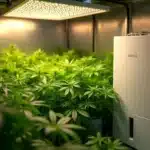
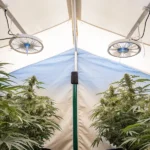
An outdoor grow tent (sometimes called a weed tent or cannabis tent) is a weather-resistant enclosure that lets you grow outside while protecting plants from rain, wind, pests and cold snaps, and extending your season at both ends. Unlike an indoor tent, it is built to use natural sunlight, often with clear or ventilated panels.
Choose a durable, UV-resistant tent sized to your plants, place it in a sunny, sheltered spot, and manage heat and humidity with good airflow. It is a cheaper, more flexible middle ground between open-air growing and a full greenhouse.
Recommended Strains
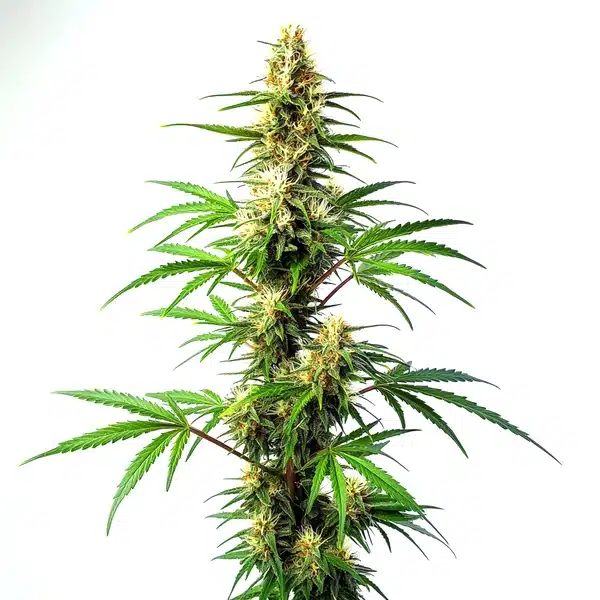
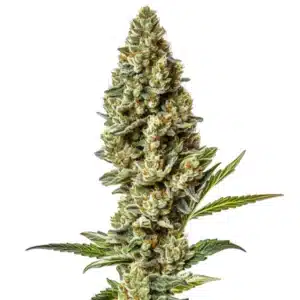
Blue Amnesia Auto

|
THC | 17% - 18% (Medium) |

|
Type | Autoflowering |

|
Yield | Low |

|
Phenotype | 40% Indica / 60% Sativa |

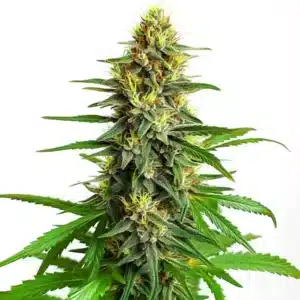
Blue Cheese
|
|
THC | 16% - 20% (Medium) |
|
|
Type | Feminized |
|
|
Yield | High |
|
|
Phenotype | 80% Indica / 20% Sativa |
Why Use an Outdoor Grow Tent?
A weed tent outdoors gives you much of the control of indoor growing without giving up free sunlight. It shields plants from heavy rain, hail and wind that can snap branches, creates a barrier against many pests and animals, and buffers sudden cold, letting you start earlier in spring and push later into autumn.
That season extension can mean the difference between a rushed, rain-threatened finish and a clean, fully-ripened harvest. For growers in unpredictable climates, a marijuana grow tent outdoors is often the simplest way to protect a crop while still growing in real sun.
Promos & Deals
How to Choose an Outdoor Grow Tent
Not all tents handle the outdoors. Match the tent to your plants and climate:
| Factor | What to look for | Why it matters |
|---|---|---|
| Size | Tall and wide enough for mature plants | Outdoor plants get big; leave headroom |
| Durability | UV-resistant, waterproof, sturdy poles | Must survive sun, rain and wind |
| Ventilation | Mesh windows, vents, roll-up panels | Prevents heat and humidity buildup |
| Light access | Clear or translucent panels | Lets in the sunlight the plants need |
| Insulation | Insulated options for cold climates | Extends the season in cool regions |
Where to Place and How to Set Up
Location makes or breaks an outdoor tent. Pick the sunniest spot you have (plants still need full sun through the panels), sheltered from the strongest winds, and on firm, level ground where you can anchor the tent securely against gusts. Orient it to catch the most light through the day, and make sure you can open vents or panels easily for daily airflow.
Anchor it well, a lightweight tent is a sail in a storm, and keep it clear of overhanging branches that drip or drop debris. A good location plus solid anchoring prevents most outdoor-tent headaches before they start.
Managing Heat and Humidity Outdoors
A sealed tent in the sun can overheat fast, so ventilation is the priority. Open vents, windows and roll-up panels during the day, add an oscillating or exhaust fan to move air, and provide light shade in a heatwave so the inside does not cook. Humidity is the flip side: trapped moisture after rain or watering invites mold, so ensure good cross-flow and let the tent breathe, especially overnight and in flowering.
The same airflow principles that work indoors apply here, our guide to the best fan position to cool a grow tent helps, and for the broader picture see growing weed outdoors.
Outdoor Grow Tent vs Greenhouse vs Open Air
There are three main ways to grow outdoors, and a tent sits neatly in the middle. Open-air growing is free and uses full sun but offers no protection from weather, pests or prying eyes. A greenhouse gives the most protection and climate control but costs more, needs space and is permanent.
An outdoor grow tent is the flexible compromise: affordable, portable, quick to assemble, and offering real protection and season extension without a big commitment. For a few plants, or for growers who want to shield a crop and start earlier without building a structure, the tent often makes the most sense.
Outdoor Grow Tent Maintenance Tips
A little upkeep keeps an outdoor tent working season after season. Check anchoring and guy lines after every storm, inspect seams, zippers and panels for tears or UV wear, and clean translucent panels so light keeps getting through. Keep the interior dry and well-ventilated to prevent mold, clear fallen debris off the roof, and store the tent clean and fully dry at season’s end to avoid mildew.
Watch for pests that sneak in through open vents, and repair small tears promptly before wind turns them into big ones. Good maintenance is cheaper than replacement.
The Bottom Line on Outdoor Grow Tents
An outdoor grow tent lets you grow in real sunlight while protecting cannabis from weather and pests and extending your season at both ends, a flexible, affordable middle ground between open-air growing and a greenhouse. Choose a durable, well-ventilated, UV-resistant tent sized to your plants, place it in a sunny, sheltered, firmly-anchored spot, and stay on top of airflow and maintenance. Do that and you will protect your crop and harvest more reliably.
Security and Discretion Outdoors
An outdoor grow tent also helps with privacy, which matters wherever you grow. A plain, enclosed tent hides plants from view far better than an open garden, keeps the distinctive smell more contained, and keeps curious neighbors and passers-by from noticing your crop.
Choose a neutral color, place it away from shared sightlines and fences, and manage odor with good airflow and, if needed, carbon filtration on any exhaust. Just as important, make sure you are growing within the legal limits for your area, since rules on plant counts and outdoor cultivation vary widely. Discretion plus compliance is the safest combination.

FAQs About Outdoor Grow Tent
How do I maintain an outdoor grow tent in different weather?
In heat, open all vents, add a fan and provide light shade; in rain, make sure the tent is waterproof and well-drained and that humidity can escape; in wind, anchor it firmly and close panels. Check anchoring, seams and zips regularly, and clean panels so light still gets through. Adjust ventilation daily with the weather.
How do I ventilate an outdoor grow tent?
Open mesh windows, vents and roll-up panels during the day for cross-flow, and add an oscillating or exhaust fan to keep air moving and prevent hot, humid pockets. Ventilate especially after rain or watering and during flowering to reduce mold risk. Good airflow is the single most important factor in a healthy outdoor tent.
Is an outdoor grow tent better than a greenhouse?
It depends. An outdoor grow tent is cheaper, portable and quick to set up, ideal for a few plants and season extension. A greenhouse offers more space, durability and climate control but costs more and is permanent. For most home growers wanting protection and a longer season without a big investment, a quality outdoor tent is the easier choice.