How to Grow Mac And Cheese Strain

Quick Summary: Master the Mac and Cheese strain by maintaining 70-80°F temperatures and 40-50% humidity during flowering. This hybrid thrives with LST training and heavy nitrogen in the vegetative stage, rewarding growers with dense, cheesy, THC-rich buds in 8-10 weeks.
Guide to the Mac and Cheese Weed Strain
The Mac and Cheese weed strain, frequently called “Mac N Cheese,” is a top-tier hybrid that has taken the cannabis community by storm. By crossing the legendary Miracle Alien Cookies (MAC) with the pungent Alien Cheese (or UK Cheese variants), breeders created a variety that perfectly balances mental stimulation with physical relief. Biologically, this strain exhibits the “entourage effect,” where cannabinoids like THC interact with a rich profile of terpenes such as Limonene and Myrcene to produce a focused, euphoric, and motivated state of mind.
Recommended Strains

Mac and Cheese

|
THC | 20% - 24% (High) |

|
Type | Feminized |

|
Yield | Medium |

|
Phenotype | 70% Indica / 30% Sativa |

MAC
|
|
THC | 23% - 27% (High) |
|
|
Type | Feminized |
|
|
Yield | High |
|
|
Phenotype | 55% Indica / 45% Sativa |
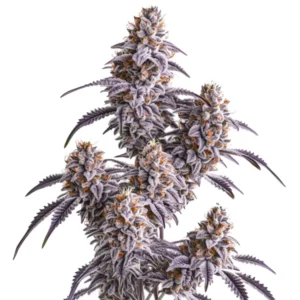
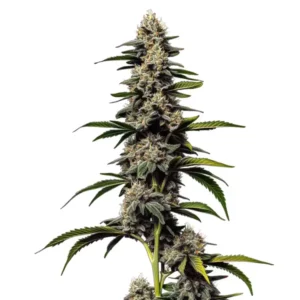
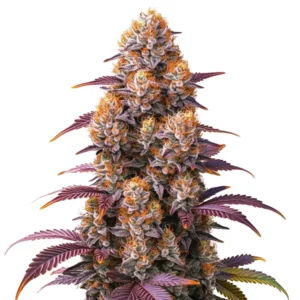
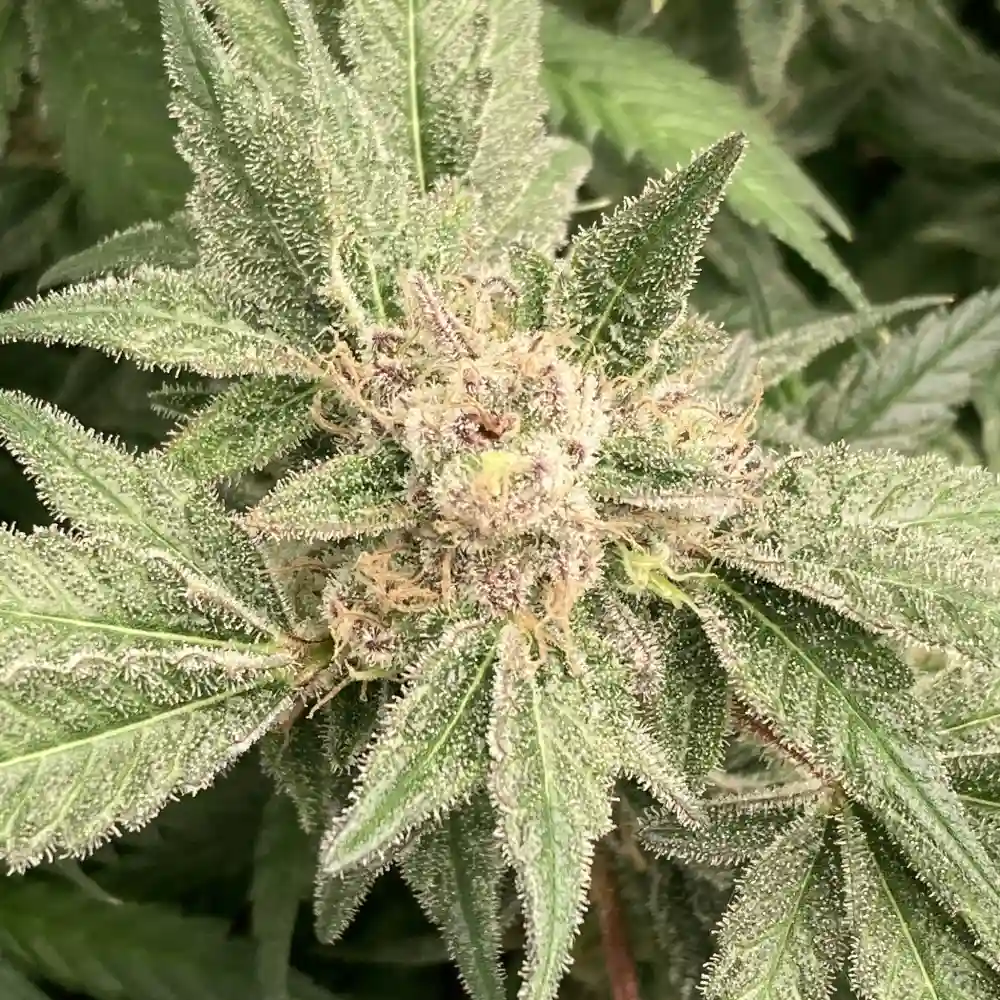
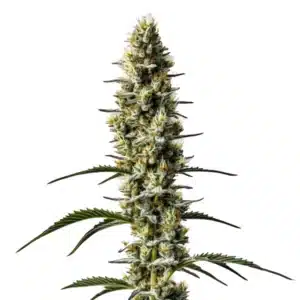
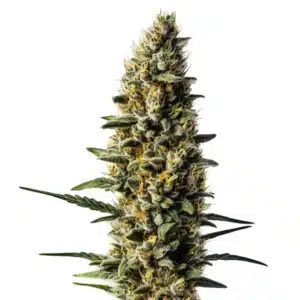
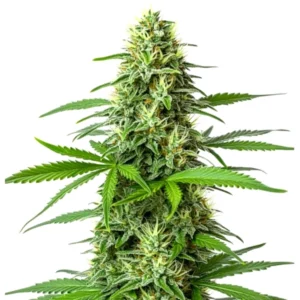
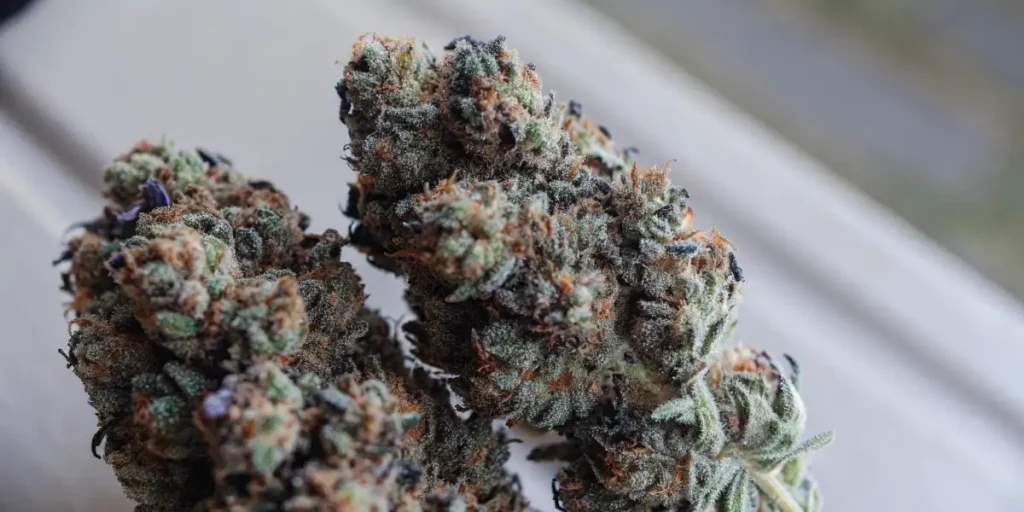
Growing the Mac and Cheese cannabis strain requires an understanding of its hybrid vigor. It produces dense, resinous flower clusters that show off a beautiful spectrum of deep greens, subtle purples, and vibrant orange pistils. Because of its 18-23% THC content and complex chemical structure, it serves as both a powerful recreational choice and a reliable medicinal tool for stress management and creative inspiration. To truly succeed, growers must manage its rapid vertical growth and its famously “loud” aromatic profile.
Promos & Deals

Environmental Requirements for Growing Mac and Cheese Marijuana Strain
To successfully grow Mac and Cheese strain, you must mimic its ideal temperate-to-warm ancestry. Daytime temperatures should stay between 70-80°F (21-27°C). If the temperature exceeds 85°F for too long, the plant may experience heat stress, leading to shriveled pistils and lower resin production. At night, a slight drop to 65°F can help stimulate the production of anthocyanins, which give the buds those sought-after purple hues.
Humidity management is the technical backbone of a high-quality harvest. During the vegetative stage, plants enjoy 60-70% humidity to facilitate rapid leaf expansion. However, once you transition to the flowering phase, you must aggressively lower humidity to 40-50%. This prevents the development of Botrytis (gray mold) inside the dense Mac and Cheese buds. Proper airflow, measured by high Cubic Feet per Minute (CFM) exhaust fans, ensures that CO2 is constantly replenished, which is the literal building block for the plant’s structural carbohydrates.
Propagation and Germination of Mac and Cheese Weed
The journey begins with high-quality genetics. Successful germination of Mac and Cheese marijuana strain seeds involves providing moisture, heat, and darkness. The “paper towel method” is highly effective: place seeds between damp towels at a consistent 75-80°F. Within 24-48 hours, the protective shell should split, revealing the white radicle or taproot. It is vital to handle these sprouts with sterilized tweezers, as human oils and bacteria can easily damage the delicate root tip.
Once planted, ensure the taproot points downward. Use a light, unfertilized seedling mix or rockwool cubes to avoid “nutrient burn” on the sensitive infant roots. Seedlings only require about 30-50 ppm of nitrates initially. Providing too much fertilizer too early can disrupt the plant’s internal chemistry, leading to stunted growth or “damping-off,” a common fungal disease that kills young stems at the soil line.
Technical Comparison: Mac and Cheese vs. Competitors
| Feature | Mac and Cheese | Miracle Alien Cookies | Sour Diesel |
|---|---|---|---|
| Flowering Time | 8 – 10 Weeks | 9 – 10 Weeks | 10 – 11 Weeks |
| Primary Terpene | Myrcene (Cheesy) | Limonene (Citrus) | Caryophyllene (Fuel) |
| Growth Difficulty | Moderate | Moderate/High | High (Stretches) |
| Average THC | 18% – 23% | 20% – 24% | 17% – 20% |
| Effect Profile | Balanced Euphoria | Heavy Relaxation | Pure Energetic Sativa |
| Odor Intensity | Very High (Pungent) | Medium/High | Extreme (Gassy) |
Vegetative and Flowering Phases: Nutrient Strategy
During the vegetative stage, the Mac and Cheese cannabis strain demands a high Nitrogen (N) ratio to build its fan leaves and stem structure. A typical NPK ratio of 3-1-2 is recommended. Incorporating Low Stress Training (LST) or the “Screen of Green” (SCROG) method is essential here. By bending the main stem, you redistribute auxins, growth hormones to the lower branches, creating a flat canopy where every bud site receives equal Photon Flux Density (PPFD).
When you flip to a 12/12 light cycle for flowering, the plant’s nutritional needs shift toward Phosphorus (P) and Potassium (K) to support flower development and resin biosynthesis. Watch for “the stretch” in the first two weeks of flowering; the Mac and Cheese strain can grow significantly in height. If you use a clearing solution like Final Flush 10 days before harvest, you will remove chemical residues from the foliage, ensuring the buds taste like creamy cheese rather than bottled nutrients.
Strict Protocol for Pest and Disease Control
Because the Mac and Cheese weed strain produces such dense buds, it is a prime target for pests and mold. You must follow a rigorous prevention schedule to protect your investment.
- Active Monitoring: Use a 30X microscope to check the undersides of leaves daily for spider mites or whiteflies.
- Biological Barriers: Use sticky traps and beneficial nematodes in the soil to kill larvae.
- Organic Sprays: Use Neem oil or potassium soap only during the vegetative phase. Never spray anything directly on the buds during flowering.
- Sterilization: Clean your pruning shears with rubbing alcohol between every single cut to prevent the spread of systemic viruses.
Professional Tips for 10-Year Veterans
- Brix Levels: Use a refractometer to measure sugar content in the sap; higher Brix levels make the plant naturally resistant to many sucking insects.
- UV-B Supplementation: Adding a small amount of UV-B light during the final two weeks of flowering can trigger a defense response that increases trichome production and potency.
- Stem Scraping: When taking clones, lightly scrape the bottom inch of the stem to expose the cambium layer. This allows rooting hormones like IBA to penetrate deeper, speeding up root formation by 3-5 days.
- The Snap Test: Don’t rely on calendars for drying. Wait until the smaller stems snap cleanly when bent; if they just fold, the core still has too much moisture for a safe cure.
Frequently Asked Questions
How long does Mac and Cheese weed strain take to flower?
The Mac and Cheese strain typically requires between 8 to 10 weeks of flowering after you switch to a 12/12 light cycle. Indoor growers can often harvest earlier if they maintain high light intensity and optimal CO2 levels, while outdoor growers should expect a mid-October finish in most temperate regions.
What are the primary effects of the Mac and Cheese marijuana strain?
This hybrid offers a sophisticated balance. Initially, users report a sharp increase in focus and creative euphoria, followed by a soothing body relaxation that doesn’t lead to immediate “couch-lock.” It is highly valued for treating daytime stress while allowing the user to remain productive and motivated.
Is the Mac and Cheese cannabis strain easy for beginners?
While the growth is resilient, the Mac and Cheese strain can be tricky due to its extreme odor and dense buds. Beginners must have a carbon filter and a dehumidifier to avoid mold. If you can manage humidity and smell, it is a very rewarding plant that responds well to basic training.
What flavor profile should I expect from Mac and Cheese?
True to its name, this strain delivers a pungent, creamy, and cheesy base flavor. This is often accented by sharp citrus notes and a lingering spicy, earthy undertone. The flavor is a direct result of its high concentrations of Myrcene and Caryophyllene terpenes.