Outdoor Grow Tents for Cannabis: Sizes, Setup and Yields

An outdoor grow tent gives your cannabis a controlled environment out in the open, protecting plants from harsh weather and pests while you fine-tune temperature and humidity. That stability can boost yields by up to 30% versus growing fully exposed. This guide covers the benefits, how to choose the right size, and how to set one up.
The appeal is simple: a grow tent brings indoor-style control to an outdoor grow. It shields plants from pests and weather while letting you manage the climate inside. Features like UV-resistant fabric and adjustable vents help improve both the quality and the size of your harvest. Inside any tent, airflow and light do the heavy lifting, so pair it with the right grow tent fan and a balanced light spectrum.
Recommended Strains
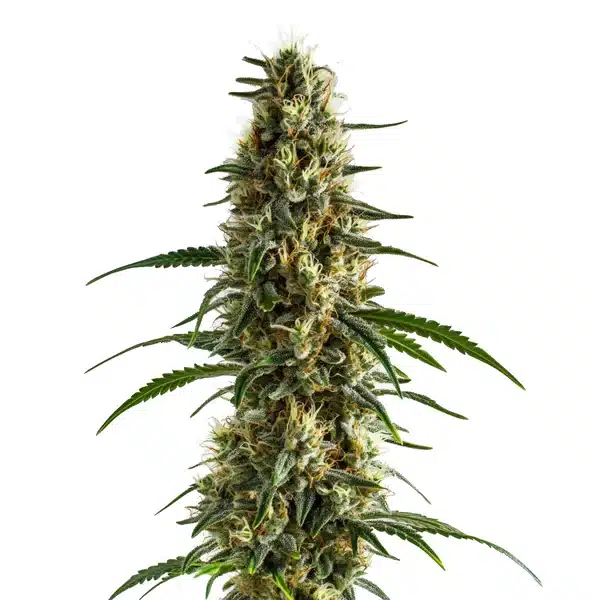
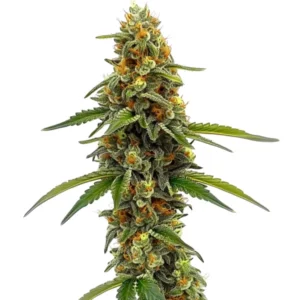
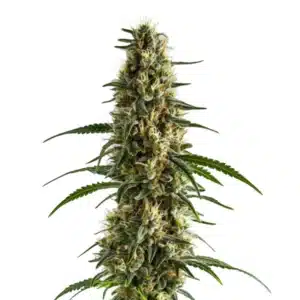
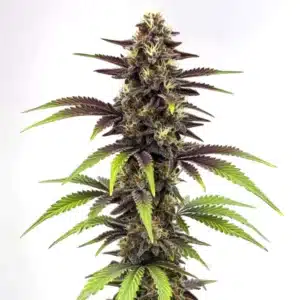
Clementine

|
THC | 18% - 22% (Medium) |

|
Type | Feminized |

|
Yield | Medium |

|
Phenotype | 30% Indica / 70% Sativa |

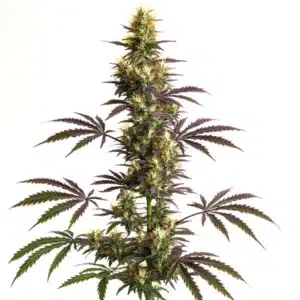
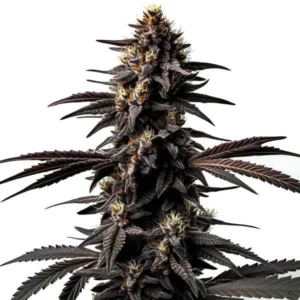
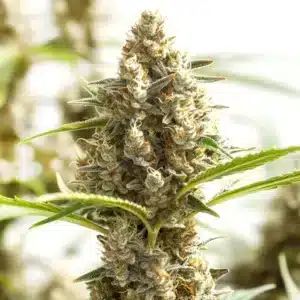
California Orange Regular
|
|
THC | 8% - 10% (Low) |
|
|
Type | Regular |
|
|
Yield | High |
|
|
Phenotype | 50% Indica / 50% Sativa |
Benefits of Outdoor Grow Tents for Cannabis
Protection From Weather and Pests
An outdoor grow tent acts as a barrier against unpredictable weather, shielding plants from heavy rain, wind and sudden temperature swings. That protection prevents stress and reduces the risk of losing a crop, and it lets you push the growing season beyond the usual outdoor window. Holding the inside around 68-77°F (20-25°C) keeps photosynthesis and nutrient uptake steady, which matters most where a sudden cold snap or heatwave would otherwise wreck an exposed crop.
On the pest side, a tent with fine mesh panels keeps out insects, birds and curious animals that would otherwise reach the plants, while a UV-resistant cover stops the sun from degrading the material over a season. The catch is airflow: a sealed tent can trap heat and humidity, so pair the protection with good ventilation and secure the whole structure against strong wind so it does not become a sail.
Extended Growing Season
A tent lets you start earlier and finish later in the year, which is a big deal in regions with short outdoor seasons. Starting plants indoors and moving them into an outdoor tent can add several weeks of growing time, and more time usually means bigger plants and bigger yields. Reflective interior walls also spread available light more evenly so every plant gets its share, which combined with steadier warmth can lift vigor and yields by up to 30% versus an unprotected outdoor grow.
Promos & Deals
Choosing the Right Outdoor Grow Tent
Key Features and Materials
When choosing an outdoor grow tent, prioritize durable materials like heavy-duty polyester with a UV-resistant coating, which resists sun damage and lasts longer outdoors. Look for reinforced seams and water-resistant zippers too, since these keep rain out and the inside dry.
Ventilation is just as important. Adjustable vents let air move through, which regulates temperature and humidity. A well-ventilated tent holds humidity around the ideal 50-60%, keeping mold and mildew away while your plants stay healthy.
Optimal Size and Capacity
Getting the size right matters for both plants and equipment. Measure your space and think about how many plants you want to grow. Too small and you restrict growth; too large and it becomes harder to keep the climate stable. The table below is a quick guide.
| Tent size | Plants (approx) | Typical yield |
|---|---|---|
| 2×2 ft (60×60 cm) | 1 | Up to ~4-9 oz (110-250 g) |
| 3×3 ft (90×90 cm) | 1-2 | Up to ~9-18 oz (250-500 g) |
| 4×4 ft (120×120 cm) | 2-4 | Up to ~1.5-2 oz/ft² (450-600 g/m²) |
| 5×5 ft (150×150 cm) | 4-6 | Higher, depends on training and light |
Yields vary with strain, light, nutrients and grower experience.
Whatever footprint you pick, choose a tent at least 6 feet (1.8 m) tall. That gives plants room to stretch vertically and leaves space above them for lights and ventilation, so nothing gets cramped as they grow.
| Feature | Zookies | Blue Dream | Red Gorilla Auto |
|---|---|---|---|
| THC content | 22-25% | 19-22% | 20-24% |
| Dominant terpene | Caryophyllene | Myrcene | Limonene |
| Aroma profile | Peppery, earthy | Fruity, sweet | Citrus, pine |
| Yield (oz/plant) | 18-21 oz | 21-25 oz | 14-17 oz |
| Flowering time (weeks) | 8-9 | 9-10 | 7-8 |
Best Outdoor Grow Setup for Cannabis
Essential Equipment and Accessories
A good outdoor grow setup pairs the tent with a few key pieces: LED grow lights, oscillating fans and carbon filters. LEDs supplement sunlight on cloudy days for consistent photosynthesis, and oscillating fans keep air moving to reduce mold and even out temperature.
Carbon filters handle odor control, which matters in urban or shared spaces where discretion counts, trapping the aromatic compounds so the area stays scent-free. Add a digital hygrometer to keep humidity in the 50-60% sweet spot, and you have covered the essentials.
Advanced Techniques for Outdoor Grow Tents
To push further, consider CO2 enrichment, which boosts photosynthesis and can raise yields, provided the tent is well-sealed enough to hold the higher concentration. It only pays off if your light and temperature are dialed in to match, otherwise the plants cannot use the extra CO2.
An automated irrigation system is another useful upgrade. Programmed to deliver precise amounts on a schedule, it keeps soil moisture steady and takes the guesswork out of watering, which reduces the risk of over- or under-watering, especially handy if you cannot check the plants every day.
Finally, make the most of the enclosed space with plant training. Because a tent has a fixed footprint and height, techniques like topping, LST or a SCROG net keep the canopy flat and even so light reaches many bud sites instead of one tall cola hitting the roof. In a confined tent, training is often the difference between an average yield and an excellent one.
Professional Tips for Outdoor Grow Tents
- Keep humidity at 50-60% to prevent mold; use a digital hygrometer, since analog ones are unreliable.
- Position the tent for plenty of natural light but avoid harsh midday sun to prevent heat stress.
- Use UV-resistant materials to extend the tent’s lifespan and protect plants from strong UV.
- Fit adjustable vents for good airflow to control temperature and humidity.
- Anchor the tent with stakes or weights so wind cannot damage it, especially in open areas.
- Inspect the tent regularly and repair any damage right away to keep the environment controlled.
- Add reflective interior material to spread light more evenly across the plants.
- Run a pest-management plan to catch infestations early.

FAQs About Outdoor Grow Tents
Can grow tents be used outdoors?
Yes. Grow tents work well outdoors as long as you choose one built for it, with UV-resistant, water-resistant materials and good ventilation. Set up properly and anchored against wind, an outdoor grow tent protects plants from weather and pests while giving you indoor-style control over the climate.
How much can a 4×4 yield in an outdoor grow tent?
A 4×4 grow tent typically holds 2-4 plants and can yield roughly 1.5 to 2 oz/ft² (about 450-600 g/m²), depending on the strain, conditions and training. Maximizing light and keeping humidity in range are the biggest levers for pushing that number higher.
Is 82 degrees too hot for a grow tent?
82°F (28°C) is on the hot side for a grow tent. The ideal range is 68-77°F (20-25°C); much above that stresses plants and can cost you yield and quality. If your tent runs hot, improve ventilation, add a fan, and position it out of harsh midday sun.
Do outdoor grow tents control smell?
Yes, but only with the right setup. A grow tent paired with an inline fan and a carbon filter traps the odor compounds before they escape, keeping the surrounding area largely scent-free. The filter needs replacing periodically, and the fan sized correctly for the tent, to keep working well.
What is the best way to secure an outdoor grow tent?
Anchor an outdoor grow tent with heavy-duty stakes, guy ropes or weights on each corner so wind cannot lift or topple it. Place it on flat, stable ground, ideally in a spot with some natural windbreak, and check the anchors regularly, especially before storms.