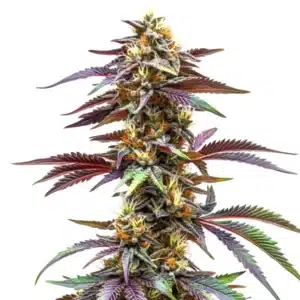
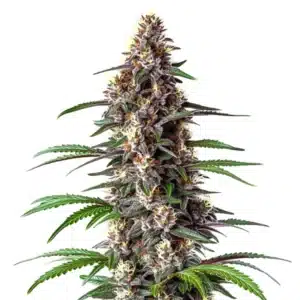
How to Grow Critical Auto

Critical Auto is a fast, compact and easy autoflower, built by crossing Critical Mass with a Lowryder ruderalis parent. It pairs a herbal, lemon and woody flavor with a low 10-14% THC and a happy, relaxed and talkative effect, running its whole life cycle in just 8 to 10 weeks. The mild potency and simple grow make it one of the most beginner-friendly strains you can choose.
This is an autoflowering, 70% indica strain that stays compact at around 1.3 m. Because it flowers automatically on age rather than on a light change, and because its low THC keeps the effect gentle and approachable, it is a forgiving plant that suits first-time growers and anyone who wants a lighter, easygoing smoke.
Recommended Strains
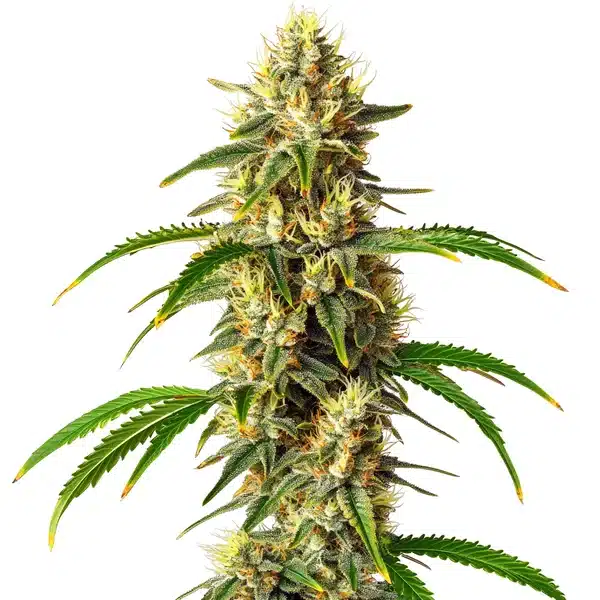
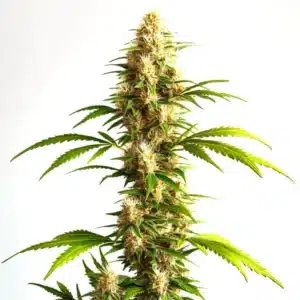
Critical Auto

|
THC | 10% - 14% (Low) |

|
Type | Autoflowering |

|
Yield | Medium |

|
Phenotype | 70% Indica / 30% Sativa |
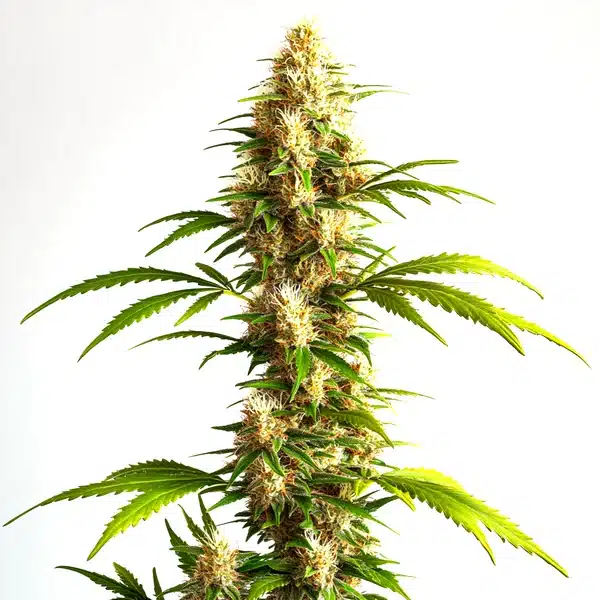
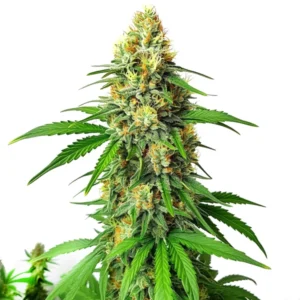
Critical 2.0 Auto
|
|
THC | 18% - 20% (Medium) |
|
|
Type | Autoflowering |
|
|
Yield | Medium |
|
|
Phenotype | 60% Indica / 40% Sativa |
Quick, undemanding and productive outdoors, Critical Auto is a straightforward way to grow a classic Critical indica in autoflower form. You can see the full genetics and buy Critical Auto seeds on the strain page, and browse the rest of our autoflowering seeds alongside it.
Strain Profile at a Glance
| THC | Low (10-14%) |
|---|---|
| Lineage | Critical Mass x Lowryder |
| Type | Autoflowering |
| Genetics | 70% Indica / 30% Sativa |
| Climate | Temperate |
| Life cycle | 8-10 weeks (seed to harvest) |
| Harvest | All season (multiple runs) |
| Height | 4.27 ft / 1.3 m |
| Yield indoor | 1.15-1.31 oz/ft² (350-400 g/m²) |
| Yield outdoor | 21.16-24.69 oz/plant (600-700 g/plant) |
| Grow difficulty | Beginner-friendly |
| Flavors | Herbal, Lemon, Woody |
| Effects | Happy, Relaxed, Talkative |
Promos & Deals
Growing an Autoflower
An autoflower does not need a change in light schedule to bloom. Instead of switching to 12/12 like a photoperiod plant, Critical Auto starts flowering on its own after a few weeks, purely on age, and runs its whole life cycle in 8 to 10 weeks from seed to harvest. You can keep it under a long day of around 18-20 hours of light from start to finish, which keeps things simple.
That ruderalis heritage, from its Lowryder parent, is what makes it automatic, hardy and quick. Because the clock is always ticking on an auto, start the seed in its final pot rather than transplanting, keep any training to gentle low-stress tucking, and feed lightly. Being an autoflower it also does not depend on daylight hours to flower, so you can run more than one crop across a season and grow it at almost any time of year.
Climate and Where to Grow It
Critical Auto does well in a warm, temperate climate with good sun and steady airflow, and its hardy ruderalis genetics make it adaptable and forgiving. Its biggest advantage outdoors is flexibility: because it flowers on age rather than daylight, you are not tied to one planting window and can grow it all season, fitting in more than one run where the weather allows.
It is a compact indica at around 1.3 m, so it slots easily into small tents and discreet outdoor spots. Interestingly, this is a strain that rewards outdoor growing: given room, sun and a large pot it can reach 600-700 g per plant outdoors, well above its indoor return, so if you have the space outside that is where it really pays off.
Keep humidity in check through flowering to protect the buds: around 55-60% early on, nearer 40-45% in flower, and lower still toward harvest. The dense indica-leaning buds can trap moisture, so steady airflow and sensible humidity are the keys to a clean finish over the short cycle. Aim for daytime temperatures around 68-80°F (20-27°C).
Feeding Schedule (EC Guide)
Autoflowers are smaller and faster than photoperiod plants, so they want a lighter touch. Feed gently, follow the plant’s lead, and taper off for the final flush so the herbal, lemon flavor comes through clean and the smoke finishes smooth. The ranges below are a guide; with an auto, err on the low side.
| Stage | EC (mS/cm) | Notes |
|---|---|---|
| Seedling | 0.4-0.6 | Very light feed, start in the final pot |
| Vegetative growth | 0.8-1.2 | Short veg, raise nitrogen gently |
| Early flower | 1.2-1.4 | Shift toward bloom nutrients (P and K) |
| Full flower | 1.4-1.6 | Peak bloom feed while the buds swell |
| Flush | 0.0-0.4 | Plain water for the final 1-2 weeks |
Flowering and Harvest
Critical Auto starts flowering on its own a few weeks in and finishes its whole cycle in 8 to 10 weeks from seed, which is fast and predictable. As a 70% indica it stays compact and bushy, filling in solid, resin-flecked buds up a short frame rather than stretching. Because it is an autoflower you can run it all season, with no fixed harvest month tying you down.
Yields are modest indoors at around 350-400 g/m², but notably generous outdoors at 600-700 g per plant given sun, space and a well-sized pot. That makes the choice of location matter: for the biggest harvest, grow it outside with room to spread. Give it a good pot from the start so the roots never stall, keep the canopy open, and harvest when most trichomes have turned cloudy.
Drying and Curing
Dry whole plants or branches in a dark room at around 60°F (15-18°C) and 55-60% humidity for 7-14 days, until the thin stems snap rather than bend. A slow, even dry stops the denser buds staying damp in the middle while the outside dries out, which protects both the aroma and the trichomes over this short, quick grow.
Then cure the trimmed buds in sealed jars, burping them daily for the first week and letting them settle for three to four weeks. A proper cure is what brings the herbal, lemon and woody notes forward and smooths out the smoke, which is well worth the patience even on a strain this quick and gentle.
What to Do With Your Trim
Don’t bin the sugar leaves you remove while manicuring. Critical Auto carries a decent coat of resin, so its trim works well for dry sift, bubble hash or rosin. That gives you a bonus run of herbal, lemon-tinged concentrate from material most growers would otherwise throw away.
Flavor and Terpenes
Critical Auto has a clean, down-to-earth profile: a herbal, woody base lifted by a bright lemon note. It is an easygoing, natural flavor rather than a sweet or gassy one, and a good cure really brings that herbal-and-lemon character forward in the jar and on the inhale.
Its terpene profile backs that up. Myrcene lays down an earthy, herbal indica base, while limonene brings the bright lemon lift that defines the citrus side of the flavor. Caryophyllene adds a warm, peppery spice and linalool a soft, floral note, with alpha- and beta-pinene giving a fresh, piney-woody edge that ties into the woody side. Together they shape the herbal, lemon-and-wood character the strain is known for.
Effects and Best Use
With its low 10-14% THC and 70% indica make-up, Critical Auto delivers a mild, easygoing experience. It is reported as happy, relaxed and talkative: a good-natured, sociable lift with a gentle body relaxation, without the intensity of a high-THC strain. That lower potency is a feature here, making it approachable and hard to overdo.
That gentle, sociable profile makes it a versatile daytime or evening strain, well suited to relaxing with company or to users who prefer a lighter effect. The combination of a fast, simple autoflower grow, a forgiving nature and a clean herbal-lemon flavor is exactly why this low-THC Critical stays an easy recommendation for newcomers.
Common Problems and Pro Tips
The single most important thing with any autoflower is to never stall its growth, because it cannot make up lost time on a fixed clock. Start the seed directly in its final pot instead of transplanting, keep it in healthy, living soil or a well-mixed medium, and don’t overfeed a small, fast plant. Low-stress tucking is fine; heavy topping can set an auto back.
Plan around where it yields best. This one gives a modest harvest per square metre indoors but a much larger amount per plant outdoors, so for the biggest return grow it outside with a big pot and plenty of sun. Keep humidity down around the dense buds and the air moving to avoid mould in a damp finish.
As a pro tip, make its speed and all-season nature work for you: because it finishes in 8 to 10 weeks and does not depend on daylight, you can run back-to-back crops for a steady supply. Run a clean plain-water flush at the end, then follow the trichomes rather than the calendar and cure for three to four weeks to bring the herbal-lemon flavor forward.

FAQ
Is Critical Auto an autoflower?
Yes. It is a true autoflower, so it flowers automatically on age rather than on a light change. You do not switch to 12/12, and it runs its whole life cycle in 8 to 10 weeks from seed. That, plus its low THC and hardy ruderalis genetics, makes it one of the simplest strains you can grow.
How long does Critical Auto take to grow?
From seed to harvest it takes about 8 to 10 weeks in total, since it flowers on its own without any change in light schedule. Because it is an autoflower you can grow it all season and run more than one crop a year, with no fixed harvest month tying you to a single planting window.
How much THC does Critical Auto have?
It is a low-THC strain, testing at around 10-14%. That makes for a mild, gentle and approachable effect rather than an intense one, which many growers see as a plus. Combined with its 70% indica genetics, the result is a happy, relaxed and talkative experience that is easy to enjoy and hard to overdo.
What does Critical Auto taste like?
It has a clean, natural flavor: a herbal, woody base with a bright lemon note on top. Myrcene drives the earthy, herbal base, limonene adds the lemon lift, caryophyllene a peppery spice and linalool a soft floral touch, while pinene gives a fresh, piney-woody edge. A good cure brings the herbal-lemon side forward.
How much does Critical Auto yield?
Indoors it is modest at around 350-400 g/m², but outdoors it is notably generous at 600-700 g per plant given sun and space. For the biggest harvest, grow it outside with a large pot. Results depend on light, pot size and canopy health, so keep the plant healthy and never let its growth stall.
Is Critical Auto good for beginners?
Yes, it is one of the better choices for a first grow. It flowers automatically, finishes quickly, stays compact and is hardy thanks to its ruderalis genetics. Its low THC also keeps the effect gentle. Just start it in its final pot, feed lightly and keep humidity down around the buds, and it is very forgiving.