How to Grow Apple Fritter Fast Version

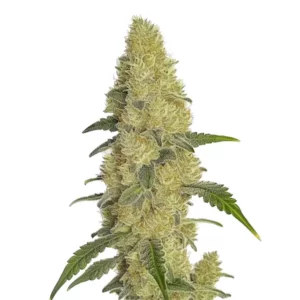
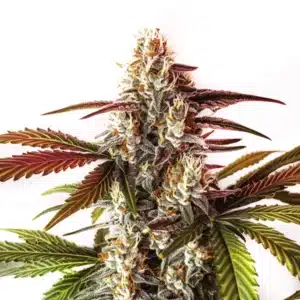
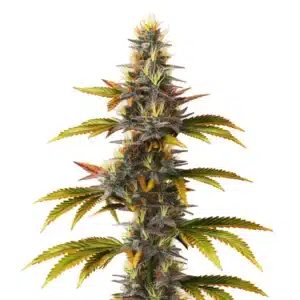
Apple Fritter Fast Version packs the sweet, dessert-like Apple Fritter into a photoperiod plant that finishes faster than the original. It flowers in just 7–9 weeks, hits a high 20–24% THC, and leans heavily indica, which makes it a quick, rewarding grow for anyone who wants that famous apple-pastry flavour without a long wait.
The Fast Version is made by crossing Apple Fritter with an Apple Fritter Autoflower parent. That ruderalis influence is what shortens the bloom, yet this is still a photoperiod plant, not an autoflower, so you grow it on a normal light schedule and flip it to trigger flowering. You simply get to harvest sooner than with the standard photoperiod line.
Recommended Strains

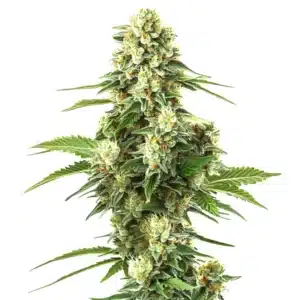
Apple Fritter Fast Version

|
THC | 20% - 24% (High) |

|
Type | Fast Flowering |

|
Yield | Medium |

|
Phenotype | 85% Indica / 15% Sativa |

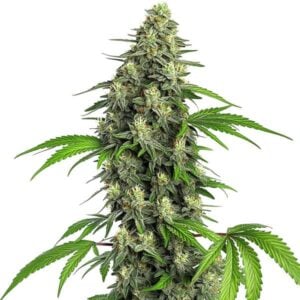
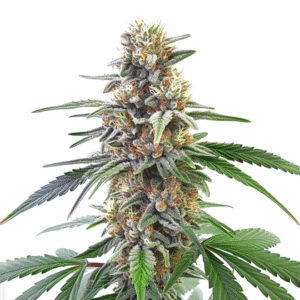
Apple Fritter
|
|
THC | 22% - 25% (High) |
|
|
Type | Feminized |
|
|
Yield | Medium |
|
|
Phenotype | 60% Indica / 40% Sativa |
Thanks to that speed and its forgiving nature, Apple Fritter Fast Version sits among our beginner-friendly strains. You can see the full genetics and buy Apple Fritter Fast Version seeds on the strain page.
Strain Profile at a Glance
| THC | 20–24% (high) |
|---|---|
| Lineage | Apple Fritter x Apple Fritter Autoflower |
| Type | Fast Flowering (Fast Version) |
| Genetics | 85% Indica / 15% Sativa |
| Climate | Dry |
| Flowering time | 7–9 weeks |
| Harvest | All season |
| Height | 4.92 ft / 1.5 m |
| Yield | Medium |
| Yield indoor | 1.15–1.47 oz/ft² (350–450 g/m²) |
| Yield outdoor | 19.4–22.93 oz/plant (550–650 g/plant) |
| Grow difficulty | Beginner-friendly |
| Flavors | Caramel, Earthy, Fruity |
| Effects | Creative, Energetic, Uplifted |
Promos & Deals
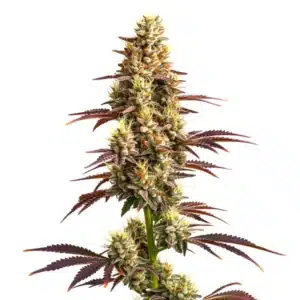

Climate and Where to Grow It
Apple Fritter Fast Version does best in a warm, dry climate. Low humidity suits it well, because its dense, resin-heavy indica buds can trap moisture, and dry air through flowering is your first line of defence against bud rot and mould on those chunky colas.
Outdoors, pick a sunny, well-drained spot and keep an eye on watering, since a dry climate means the plant leans on you rather than the weather for moisture. Indoors, aim for daytime temperatures around 70–82°F (21–28°C) and keep relative humidity on the lower side as the buds swell. Good airflow around a 1.5 m plant keeps the canopy healthy right to the finish.
Because the Fast Version flowers quickly, outdoor growers in shorter or unpredictable seasons get a real advantage here. The 7–9 week bloom lets you harvest before the worst of the autumn damp sets in, which is exactly where a fast-flowering indica like this earns its place.
Fast Version Growing Basics
The key thing to understand is what Fast Version means. It is a photoperiod plant with ruderalis in its background, so it blooms faster than a standard photoperiod strain, but it does not flower on age the way an autoflower does. You still control the cycle with the lights.
Run a vegetative stage under long days, usually 18 hours of light, for as long as you want the plant to grow, then switch to a 12/12 light schedule to trigger flowering. From that flip, Apple Fritter Fast Version races to the finish in 7–9 weeks. It responds well to indica-friendly training like topping and low-stress training during veg, which helps even out the canopy of this bushy, medium-height plant before you send it into bloom.
Feeding Schedule (EC Guide)
Feed to the stage rather than the calendar, starting low and building up as the plant asks for more. The EC values below move from a gentle seedling feed up through a stronger bloom feed and then back down for the flush.
| Stage | EC (mS/cm) | Notes |
|---|---|---|
| Seedling | 0.4–0.6 | Very light feed, focus on healthy root growth |
| Vegetative growth | 0.8–1.2 | Raise nitrogen gently under 18-hour days |
| Early flower | 1.2–1.4 | After the 12/12 flip, shift toward P and K |
| Full flower | 1.4–1.6 | Peak bloom feed while the colas fatten |
| Flush | 0.0–0.4 | Plain water for the final 1–2 weeks |
Flowering Time and Harvest
Once you flip to 12/12, Apple Fritter Fast Version flowers in 7–9 weeks, noticeably quicker than a standard photoperiod Apple Fritter. That short bloom is the whole point of the Fast Version, and it is why it carries an all-season label: you can slot it into tighter grow windows and still bring home ripe, resinous buds.
Expect the plant to stretch early in bloom, then pack on dense, frosty, indica-style flowers through the middle and late weeks. Harvest when most trichomes have turned cloudy with a few amber for the fullest, most potent expression, and give the plant a 1–2 week plain-water flush beforehand to clean up the final flavour.
Drying and Curing
Dry whole plants or branches in a dark room at around 60°F (15–18°C) and 55–60% humidity for 7–14 days, until the thin stems snap rather than bend. With buds this dense, a slow, even dry keeps the inside from staying damp while the outside dries, which protects both the aroma and the look of the flowers.
Then cure the trimmed buds in sealed jars, burping them daily for the first week and letting them settle for three to four weeks. A proper cure is what brings the sweet, caramel, apple-pastry character of Apple Fritter fully forward and smooths out the smoke.
What to Do With Your Trim
Don’t throw away the sugar leaves you remove while manicuring. Apple Fritter Fast Version is a frosty, resin-coated plant, so the trim is excellent for dry sift, bubble hash or rosin, giving you a bonus run of concentrate from material that would otherwise go in the bin.
Flavor and Terpenes
Apple Fritter Fast Version tastes of caramel, sweet fruit and a backing of earth, the dessert-like profile that made Apple Fritter famous. It is sweet and bakery-like up front with an earthy, resinous base underneath, rather than a sharp or citrus-driven flavour.
Six terpenes carry that profile: caryophyllene (peppery, spicy warmth), humulene (woody, hoppy, earthy depth), bisabolol (soft, sweet, chamomile-like floral), terpineol (gentle floral with a fruity lift), fenchol (an earthy, slightly camphor note) and alpha-pinene (a clean, resinous pine edge). Together they shape the sweet, fruity, earthy character, with caryophyllene and humulene grounding the sweetness that bisabolol and terpineol bring to the top.
Effects and Best Use
Despite its strong 85% indica genetics, Apple Fritter Fast Version is not a heavy, couch-locking strain. Its reported effects are creative, energetic and uplifted, an unusually bright and upbeat character for such an indica-dominant plant, which makes it versatile across the day.
With its high 20–24% THC, this is a potent choice, so a little goes a long way. The lively, uplifting effect suits creative or social moments rather than straight downtime, and paired with the sweet caramel flavour it makes for an easy, enjoyable smoke. If you are weighing it against other options, you can compare it through find your strain.

FAQ
Is Apple Fritter Fast Version an autoflower?
No. It is a photoperiod plant with ruderalis in its lineage, which shortens the bloom, but you still flip it to 12/12 to trigger flowering. It is faster than standard Apple Fritter, not an autoflower.
Is Apple Fritter indica or sativa?
Apple Fritter Fast Version is strongly indica-dominant, at 85% indica and 15% sativa, though its effect is brighter and more uplifting than most indicas.
How long does Apple Fritter Fast Version take to flower?
About 7–9 weeks from the 12/12 flip, clearly quicker than a standard photoperiod Apple Fritter. Its all-season label means you can fit it into tighter grow windows.
Is Apple Fritter Fast Version good for beginners?
Yes. It is a forgiving, fast-finishing strain listed among our beginner-friendly options. Keep training gentle in veg and watch humidity through bloom and it rewards you quickly.
What does Apple Fritter Fast Version taste like?
Expect a sweet caramel and fruity flavour over an earthy base, driven by its caryophyllene, humulene, bisabolol and terpineol, with a clean pine edge from alpha-pinene.
How much does Apple Fritter Fast Version yield?
It is a medium producer: 1.15–1.47 oz/ft² (350–450 g/m²) indoors and 19.4–22.93 oz (550–650 g) per plant outdoors in a good season.